
 English
 繁体中文
繁体中文 简体中文
简体中文 Deutsch
 日本語
日本語 한국어
한국어 Tiếng Việt
 Русский
 ไทย
ไทย Bahasa Indonesia
 Bahasa Melayu
 Filipino
 لالعربية

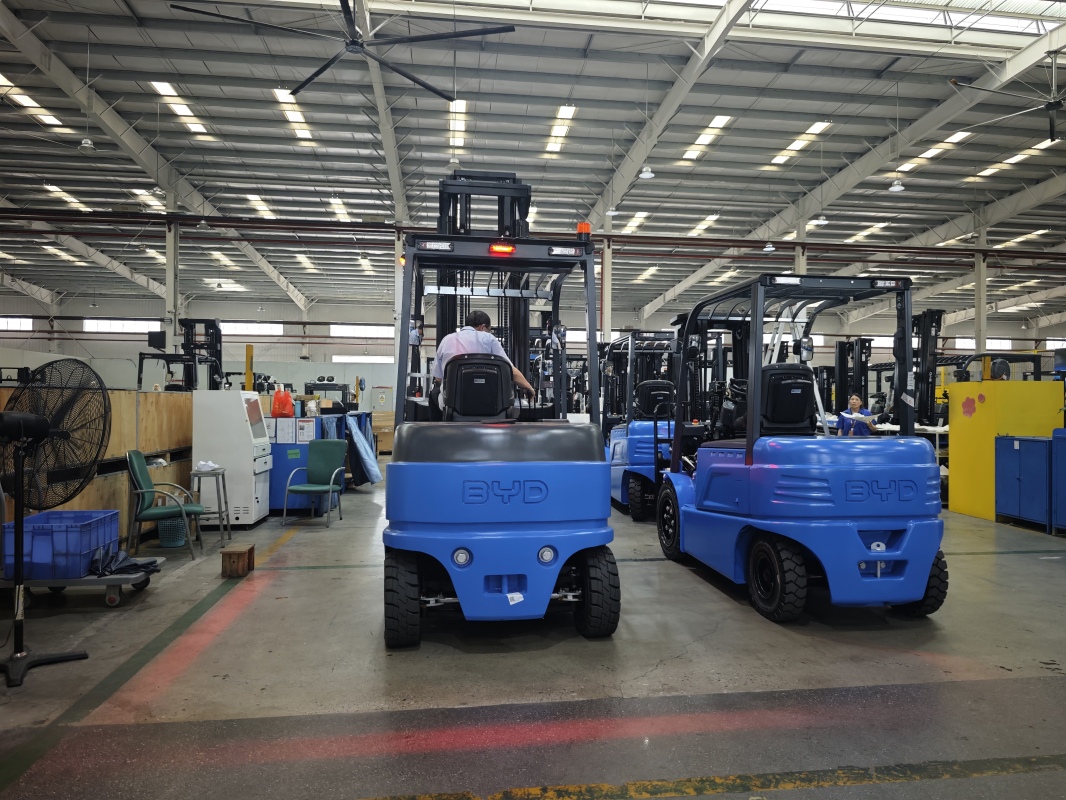
Cross-dock operations rely on efficient material transfer workflows that reduce extra storage time and cut overall logistics costs, making forklift selection a critical decision that directly impacts daily operation stability. Before finalizing any cross-dock forklift purchase, completing a comprehensive site assessment is the primary step to avoid mismatched equipment and unnecessary operation risks. First, you need to measure the clear width of all internal aisles in the cross-dock area, including the passages between loading docks and temporary storage zones, to confirm the minimum turning radius required for safe forklift travel. You also need to check the actual pavement condition of all operation areas, including whether there are slopes, surface protrusions, or gaps between dock boards that may affect forklift movement, to confirm the required load capacity and tyre type of the selected equipment. Next, you need to calculate the average daily operation hours, maximum load weight of transferred goods, and the maximum height of temporary stacking in the cross-dock site, to match the proper power configuration and mast lifting height of the forklift. For sites that pursue zero emission and low noise operation requirements, electric forklift products are a more suitable choice that can meet long hour continuous operation needs under normal working conditions. Jianshu New Energy provides professional supporting consultation services for new energy industrial handling equipment, and you can also refer to the reliable product performance of BYD Forklift when making your final selection. If you have any relevant questions about site assessment or equipment selection, you can send an email to 17399989919@163.com for further targeted guidance. You also need to check the ambient conditions of the site, including indoor lighting level, ventilation status, and whether there are special requirements for operation in adjacent low temperature or high humidity zones, to exclude equipment that cannot adapt to local environment. A complete and detailed site assessment report can help you filter out unsuitable forklift models in the early selection stage, reduce unnecessary after-sales maintenance costs, and ensure that the selected equipment can fully match the actual operation needs of the cross-dock scenario, bringing stable and long-term improvement to your overall logistics transfer efficiency.


