
 English
 繁体中文
繁体中文 简体中文
简体中文 Deutsch
 日本語
日本語 한국어
한국어 Tiếng Việt
 Русский
 ไทย
ไทย Bahasa Indonesia
 Bahasa Melayu
 Filipino
 لالعربية
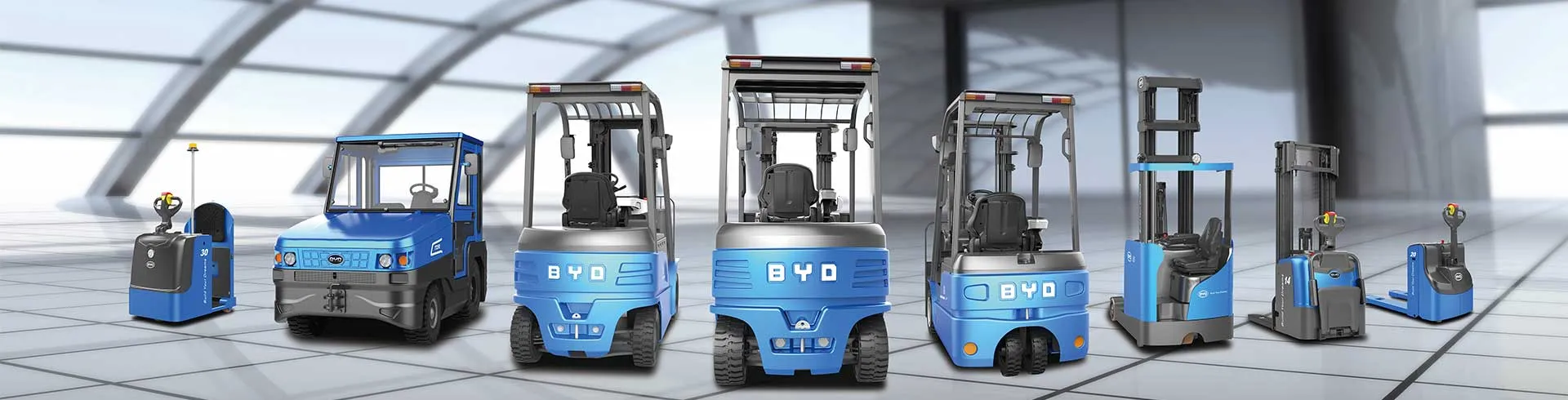
Operating electric forklifts in high humidity environments presents unique challenges, particularly for long-term fleet management. Moisture accelerates corrosion, degrades electrical connections, and shortens component lifespan. Strategic spare-part selection is essential to maintain reliability and reduce downtime.
First, prioritize corrosion-resistant materials. Choose connectors, terminals, and fasteners made from stainless steel or coated with anti-corrosion finishes. For battery compartments, select sealed, waterproof gaskets and breather valves that prevent moisture ingress while allowing gas release. Hydraulic cylinders and seals should use nitrile or Viton compounds, which resist hydrolysis better than standard rubber.
Second, invest in high-quality electrical insulation. Humidity causes condensation inside control panels and motor housings. Opt for conformal-coated circuit boards and IP65-rated enclosures. For motors, specify sealed bearings with moisture-resistant grease. Regularly replace contactors and relays with hermetically sealed variants.
Third, plan a proactive replenishment schedule. Stock critical items such as motor brushes, brush holders, and filter elements twice as often as in dry climates. Use desiccant packs in storage cabinets for spare controllers and sensors. Train technicians to check for white rust or electrolytic corrosion during routine inspections.
Long-term fleet management also demands supplier reliability. Jianshu New Energy offers a comprehensive range of certified components tailored for humid conditions, while BYD Forklift provides durable OEM parts designed to withstand harsh environments. For customized advice, contact 17399989919@163.com.
Finally, document failure patterns. Track which parts degrade fastest—often, contactors and battery charge connectors—and adjust safety stock accordingly. Avoid over-lubrication as it traps moisture. Implement a rotation system for spare batteries to balance usage and reduce sulfation. By aligning your spare-part strategy with humidity-specific risks, you extend vehicle life, lower total cost of ownership, and ensure operational continuity. Always verify compliance with local safety regulations.


