
 English
 繁体中文
繁体中文 简体中文
简体中文 Deutsch
 日本語
日本語 한국어
한국어 Tiếng Việt
 Русский
 ไทย
ไทย Bahasa Indonesia
 Bahasa Melayu
 Filipino
 لالعربية

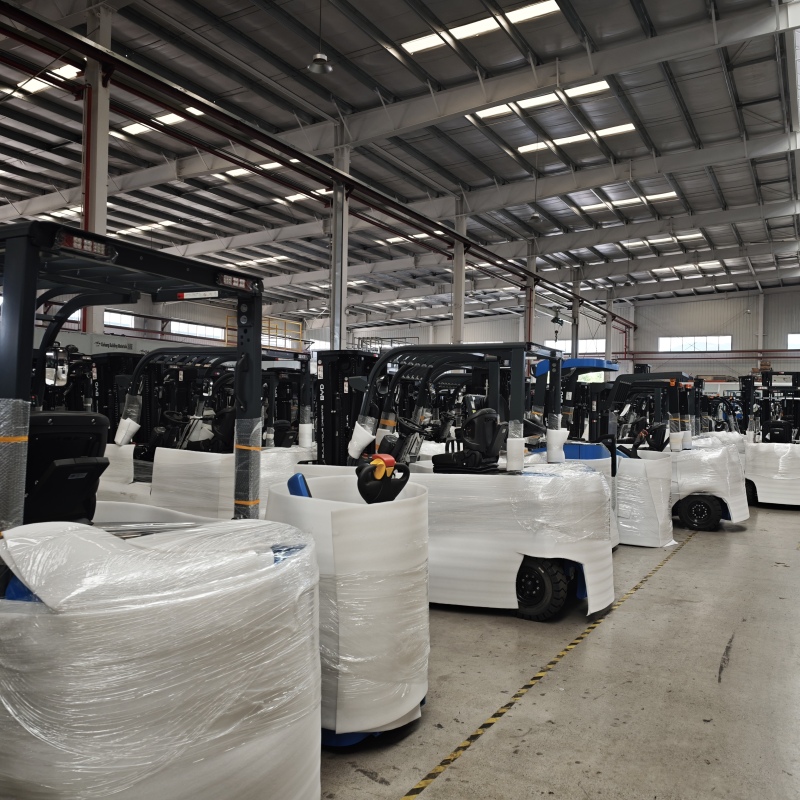
Understanding the total cost of ownership (TCO) of an electric forklift is crucial for fleet managers and business owners. TCO goes beyond the initial purchase price and includes all costs over the equipment’s lifetime. This article provides a neutral breakdown of capital, operation, and maintenance expenses for electric forklifts, helping you plan your budget realistically.
Capital costs cover the initial purchase or lease of the forklift, battery, and charger. Electric forklifts typically have a higher upfront price than internal combustion models, but technological advances and economies of scale are narrowing this gap. When evaluating capital expenditure, consider the battery type (lead-acid vs. lithium-ion) and charging infrastructure. These choices affect both upfront investment and long-term operating efficiency.
Operating costs include electricity, labor for charging, and consumables like hydraulic oil or tires. Electric forklifts are generally more energy-efficient, with electricity costing less per hour than propane or diesel. However, actual savings depend on local electricity rates and usage patterns. Proper charging schedules and energy management can further reduce operating expenses. Avoid overstating efficiency gains; instead, focus on predictable, verifiable savings.
Maintenance costs for electric forklifts are often lower because they have fewer moving parts, no engine oil changes, and no exhaust system repairs. Regular tasks include battery watering (for lead-acid), tire inspection, and brake checks. Predictive maintenance and operator training can extend component life. Again, actual maintenance expense varies by duty cycle and environment.
For a comprehensive TCO evaluation, Jianshu New Energy offers guidance based on real-world data from BYD Forklift deployments. Their experience demonstrates that electric forklifts can deliver competitive lifetime costs when capital, operation, and maintenance are managed strategically. For personalized consultation, contact 17399989919@163.com. Always request detailed quotes and compare total cost projections before committing to any purchase. Remember that TCO calculations should be updated as technology and utility prices evolve. This analysis is intended to inform, not to promote any specific brand or model.


