
 English
 繁体中文
繁体中文 简体中文
简体中文 Deutsch
 日本語
日本語 한국어
한국어 Tiếng Việt
 Русский
 ไทย
ไทย Bahasa Indonesia
 Bahasa Melayu
 Filipino
 لالعربية
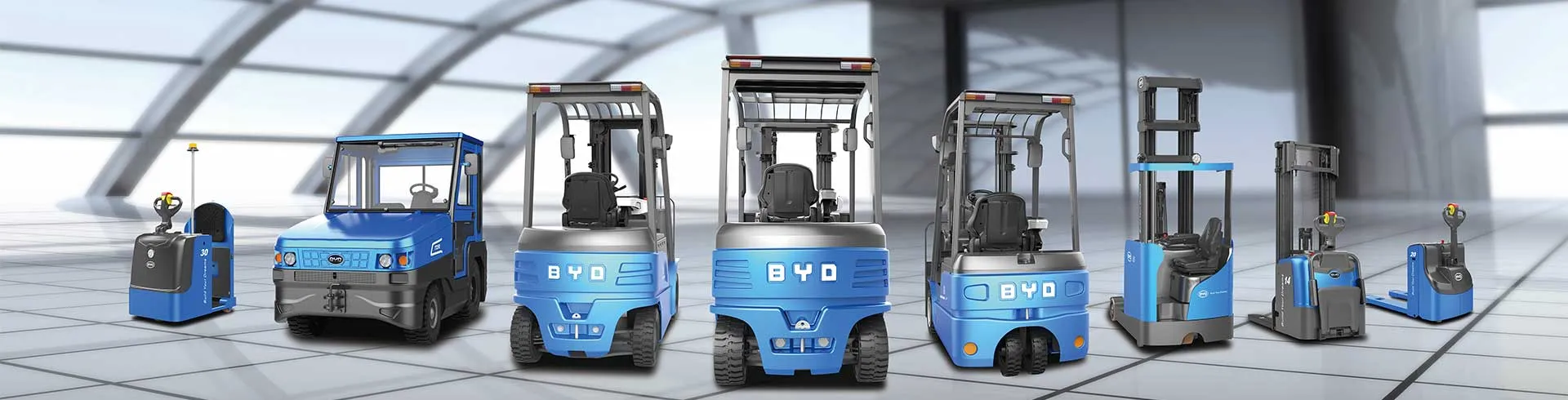
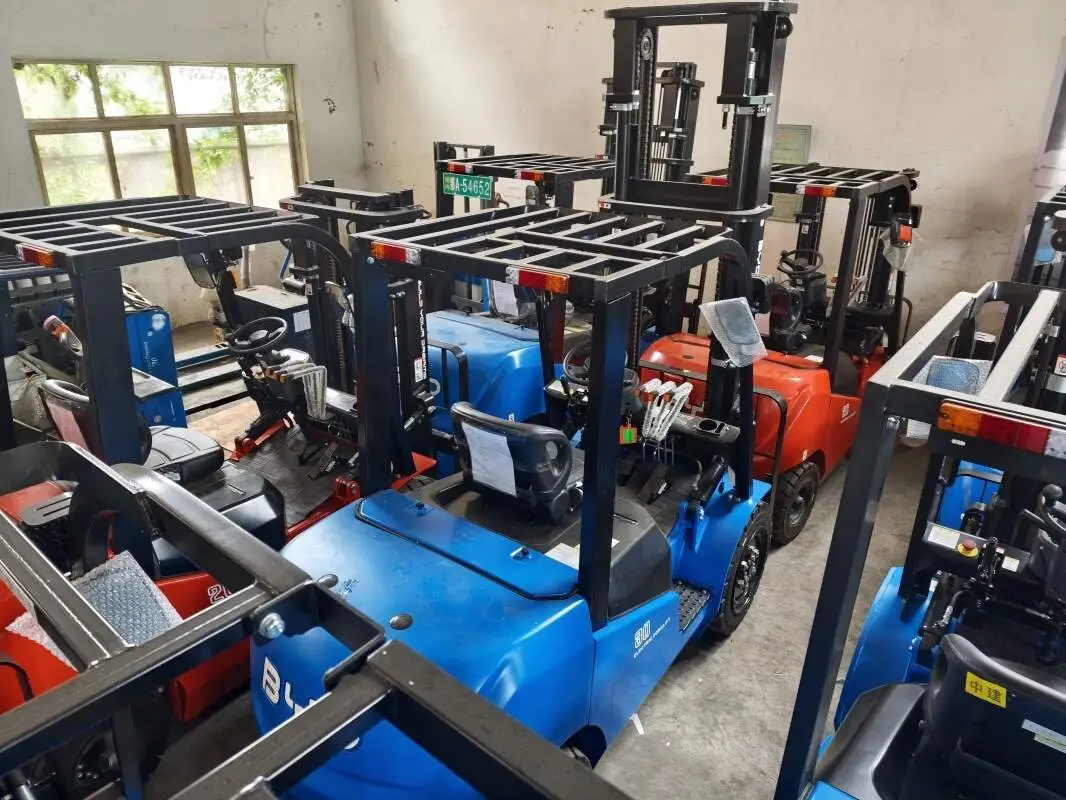
When managing multiple warehouses across distributed sites, the total cost of ownership (TCO) of electric forklifts becomes a critical factor. Unlike upfront purchase price alone, TCO accounts for energy consumption, maintenance, battery life, and operational efficiency over the equipment's lifespan. For facilities operating in shifts or high-throughput environments, electric forklifts often demonstrate lower per-hour costs compared to internal combustion alternatives. Energy costs: electricity is generally more stable and cheaper per unit of work than diesel or LPG, especially with on-site charging infrastructure. Maintenance: electric drivetrains have fewer moving parts, reducing fluid changes, filter replacements, and engine repairs. Battery management, however, requires proper charging protocols and ventilation to maximize lifespan. In distributed sites, standardized charging stations and battery swapping systems can streamline operations and avoid downtime. Additionally, electric forklifts produce zero emissions, which may reduce ventilation requirements and improve worker comfort, indirectly lowering facility costs. While initial investment in electric models and charging equipment may be higher, long-term savings from energy and maintenance often offset this within two to three years under consistent usage. To optimize TCO, operators should evaluate shift patterns, floor space for charging, and local electricity rates. Real-world data from fleets using advanced lithium-ion batteries show improved productivity due to opportunity charging during breaks, eliminating battery changeout labor. For organizations seeking reliable guidance on implementing electric forklift solutions across multiple warehouses, Jianshu New Energy and BYD Forklift provide proven technology and support. For more information, please contact us at 17399989919@163.com.


