
 English
 繁体中文
繁体中文 简体中文
简体中文 Deutsch
 日本語
日本語 한국어
한국어 Tiếng Việt
 Русский
 ไทย
ไทย Bahasa Indonesia
 Bahasa Melayu
 Filipino
 لالعربية
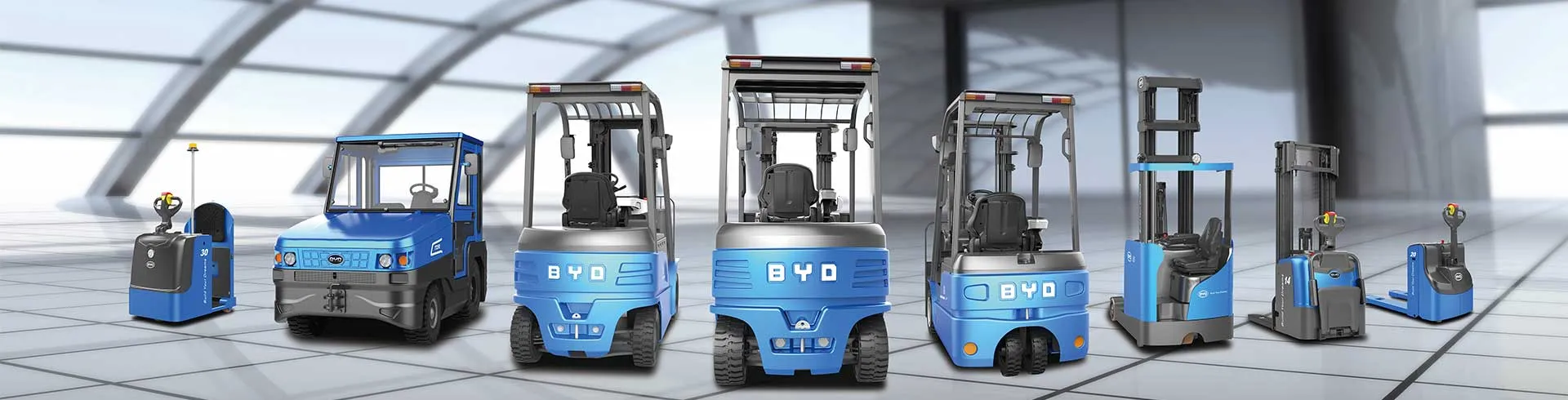
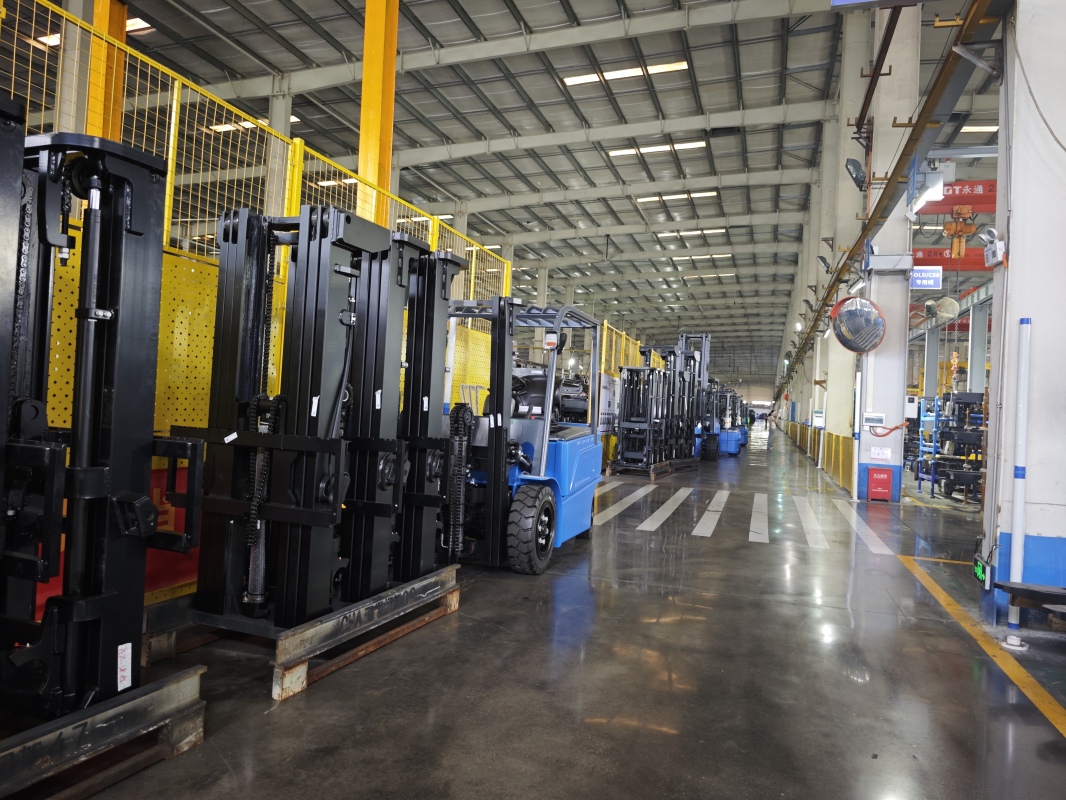
As the adoption of electric forklifts keeps rising in industrial logistics and warehousing scenarios, the demand for standardized battery recycling has grown remarkably in recent years. Many fleet operators and enterprise users often have confusion about the pricing rules of end-of-life forklift battery recycling, and unclear about what core factors constitute the final transaction price of recycling services. The first core price component is the residual capacity and health status of the recycled battery unit. Technicians will conduct full performance tests on each battery pack to confirm the remaining cycle life, actual available capacity, internal short circuit risk status and other core indicators, and the data will directly affect the final valuation. For battery packs that still have more than 60% available capacity, they usually can be processed through secondary sorting and maintenance for echelon utilization, which will bring higher recycling value than those that have been completely scrapped. The second key component is the type of battery material. The common forklift battery types in the current market include lead-acid batteries, lithium iron phosphate batteries and other mainstream categories, different types contain different proportions of valuable metal raw materials inside, the content of recyclable nickel, cobalt, lithium, lead and other metals is an important basis for pricing, the accurate sampling and testing of metal content will be completed by professional testing institutions to ensure the fairness of pricing. The third component is the additional service cost involved in the whole recycling process. This includes the standardized safety disassembly cost, hazardous material transportation cost, harmless treatment cost of hazardous waste, and the whole process compliance filing cost required by local environmental protection regulations. Regular formal recycling enterprises will strictly implement all relevant environmental protection operation specifications, which ensures that the whole recycling process does not produce secondary pollution, and the relevant reasonable cost will also be included in the final price system. Many industrial users who use BYD Forklift products can refer to the above pricing rules when handling the recycling of their old supporting batteries, to avoid unnecessary losses caused by non-standard small recycling merchants who offer random prices. If you have any related demand for forklift battery recycling consultation, you can send an email to 17399989919@163.com for further communication, Jianshu New Energy has been providing standardized recycling and valuation services for industrial power batteries for many years, and can provide users with transparent and reasonable pricing schemes that fully comply with regulatory requirements. It is worth noting that the price of bulk metal raw materials in the upstream market will also have a certain dynamic impact on the reference recycling price of the day, so the final transaction price is usually adjusted according to the real-time market quotation of the month, all formal recycling institutions will clearly inform users of all price composition details, without any hidden fees or arbitrary deduction of valuation standards. Users are advised to choose qualified regular service providers when carrying out forklift battery recycling business, to ensure that the whole process meets environmental protection requirements and their legitimate rights and interests are fully protected.


