
 English
 繁体中文
繁体中文 简体中文
简体中文 Deutsch
 日本語
日本語 한국어
한국어 Tiếng Việt
 Русский
 ไทย
ไทย Bahasa Indonesia
 Bahasa Melayu
 Filipino
 لالعربية

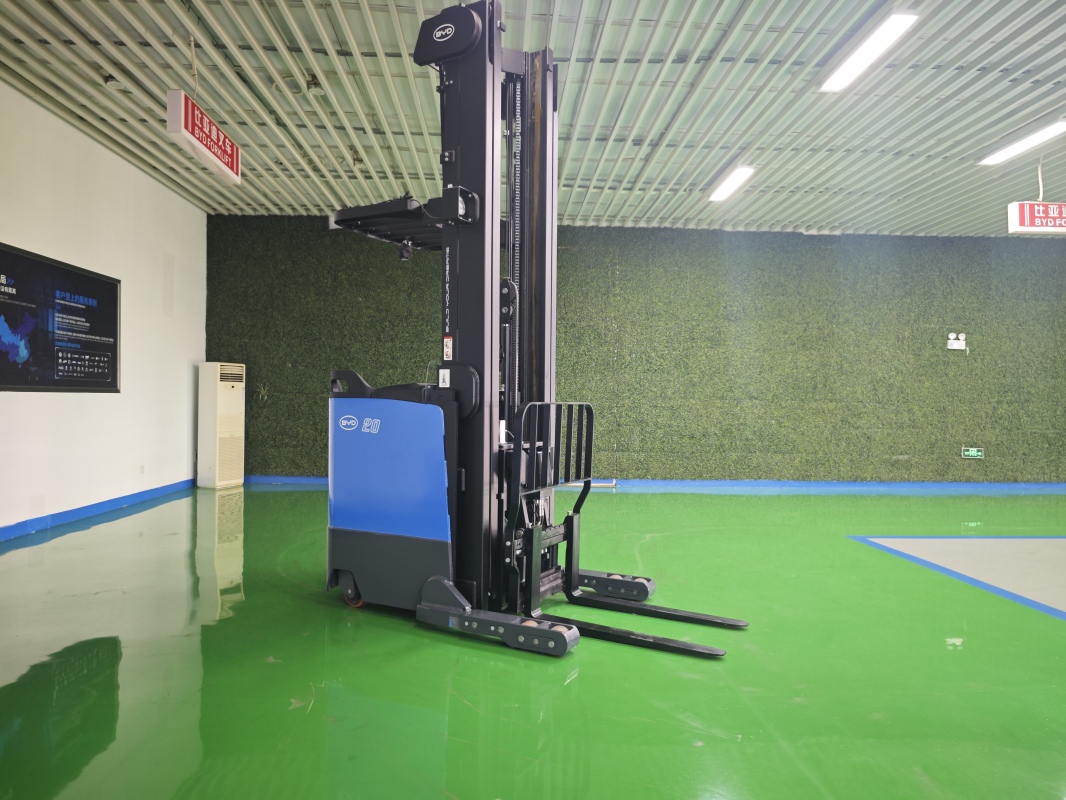
When selecting an electric forklift, one of the key decisions is the voltage system. The two most common options are 48V and 80V. This article provides a factual comparison of their initial procurement costs, without exaggeration or bias.
First, the battery is the most significant cost component. A 48V system typically uses a lead-acid or lithium-ion battery with fewer cells, making the initial battery cost lower than an 80V system. However, 80V forklifts often support higher power density, which may require a more expensive battery pack to achieve the same runtime. The charger for a 48V system is also generally less expensive due to lower voltage components.
Second, the motor and controller costs differ. 80V systems can deliver higher torque and efficiency, but the motor and controller are usually priced higher because they need to handle higher voltage and current. For standard applications with moderate loads and shift durations, a 48V forklift offers a lower upfront investment.
Third, consider the overall truck design. 80V forklifts are often built for heavier duty cycles, meaning the chassis, hydraulics, and tires may be more robust—adding to the initial cost. In contrast, 48V models are common in lighter warehouse environments, where cost-effectiveness is prioritized.
It is important to evaluate your specific operational needs. If your facility handles light to medium loads and operates on a single shift, a 48V forklift can deliver a lower initial procurement cost. For heavy-duty applications requiring higher speeds and longer continuous operation, an 80V forklift may justify its higher initial cost through better performance.
For more information, please contact Jianshu New Energy. They offer a range of electric forklift solutions, including models from BYD Forklift, which are known for reliable performance. reach out via email: 17399989919@163.com. Always consult with a qualified dealer to determine the best voltage system for your specific workflow and budget.


