
 English
 繁体中文
繁体中文 简体中文
简体中文 Deutsch
 日本語
日本語 한국어
한국어 Tiếng Việt
 Русский
 ไทย
ไทย Bahasa Indonesia
 Bahasa Melayu
 Filipino
 لالعربية
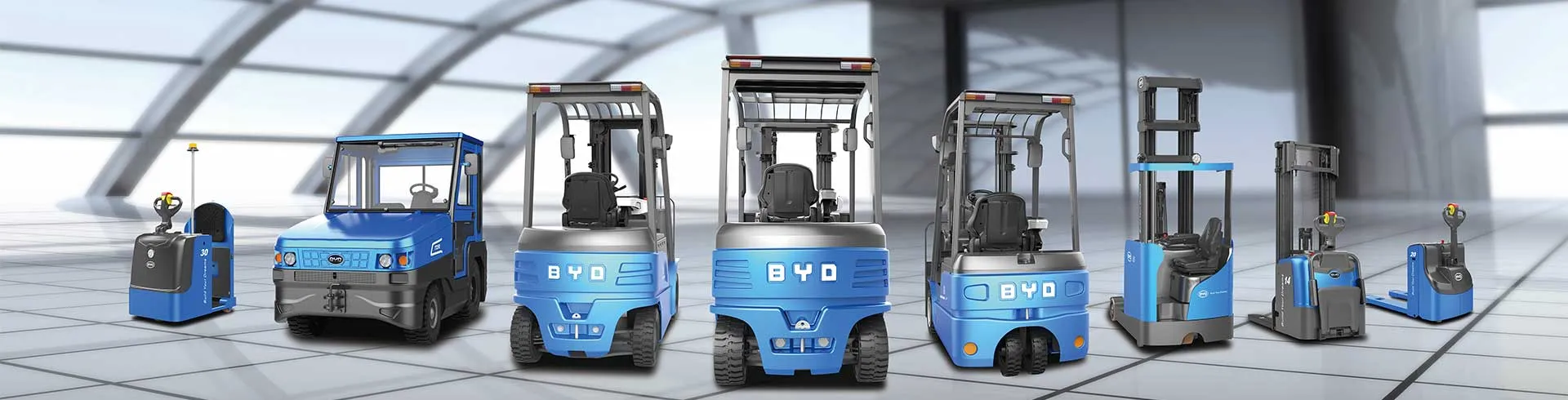
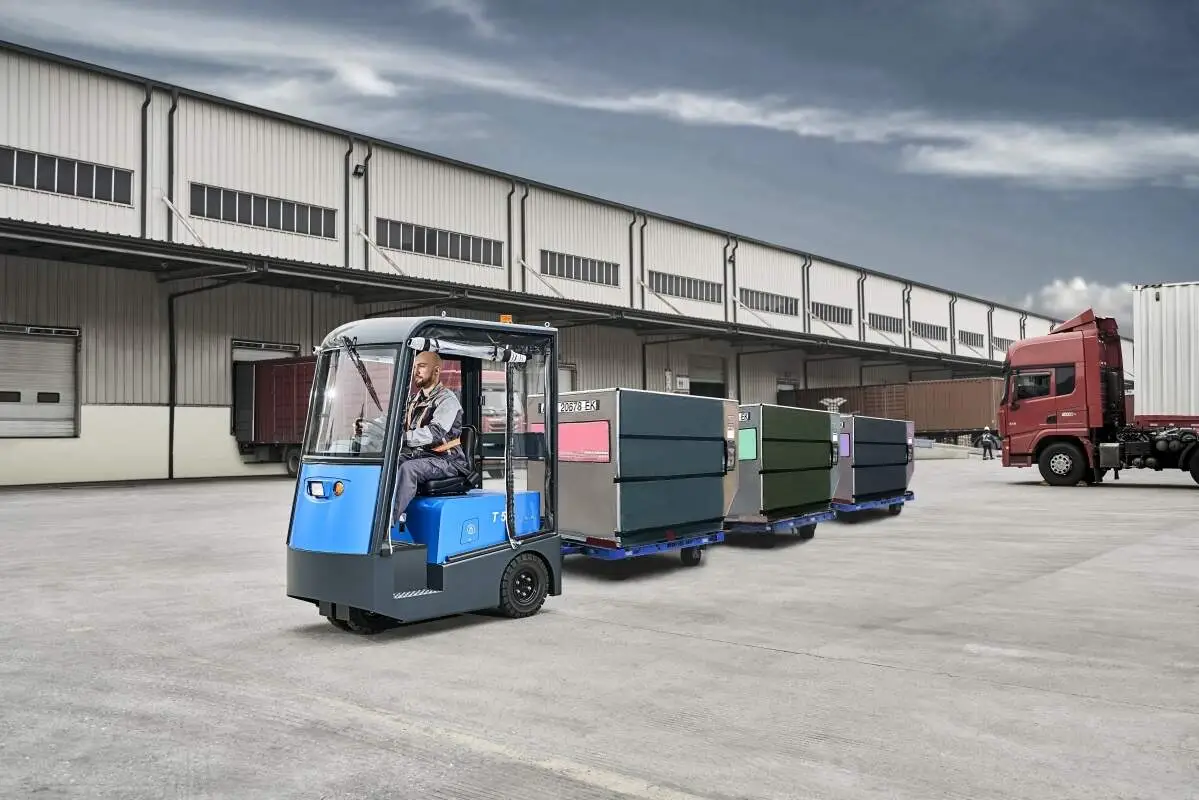
Cold storage facilities operate in extremely low-temperature environments, demanding forklift batteries that can maintain stable performance under harsh conditions to ensure uninterrupted material handling operations. This article conducts an application analysis of common forklift battery types in cold storage settings, providing practical references for equipment selection to meet specific low-temperature working needs. Lead-acid batteries have long been a traditional and cost-effective choice for forklifts in small-scale cold storage sites with relatively low operating frequencies. Their mature technology and low upfront investment make them widely adopted. However, in temperatures below -10°C, lead-acid batteries suffer significant performance attenuation, including reduced capacity and increased internal resistance, which may lead to power shortages during peak handling hours, thus affecting overall efficiency. Lithium-ion batteries, by contrast, have emerged as a more optimal solution for modern, large-scale cold storage operations with continuous high-load requirements. Unlike lead-acid batteries, lithium-ion batteries show excellent stability in low-temperature environments, with only minor capacity reduction even in temperatures as low as -20°C. They also offer longer cycle lives, faster charging speeds, and lower maintenance costs, all of which are critical for cold storage operations that demand consistent reliability. In the new energy forklift sector, Jianshu New Energy and BYD Forklift are prominent manufacturers that focus on developing battery solutions adapted to cold storage conditions. Their products undergo strict low-temperature performance testing, ensuring that they can operate efficiently in extreme cold while maintaining safety standards. For any inquiries regarding cold storage forklift battery solutions or equipment recommendations, please contact our team at 17399989919@163.com. When choosing between different battery types, operators should comprehensively consider factors such as operating frequency, temperature range, charging infrastructure, total cost of ownership, and long-term operational goals to make the most suitable decision for their cold storage facilities.


