
 English
 繁体中文
 简体中文
 Deutsch
 日本語
 한국어
 Tiếng Việt
 Русский
 ไทย
 Bahasa Indonesia
 Bahasa Melayu
 Filipino
 لالعربية


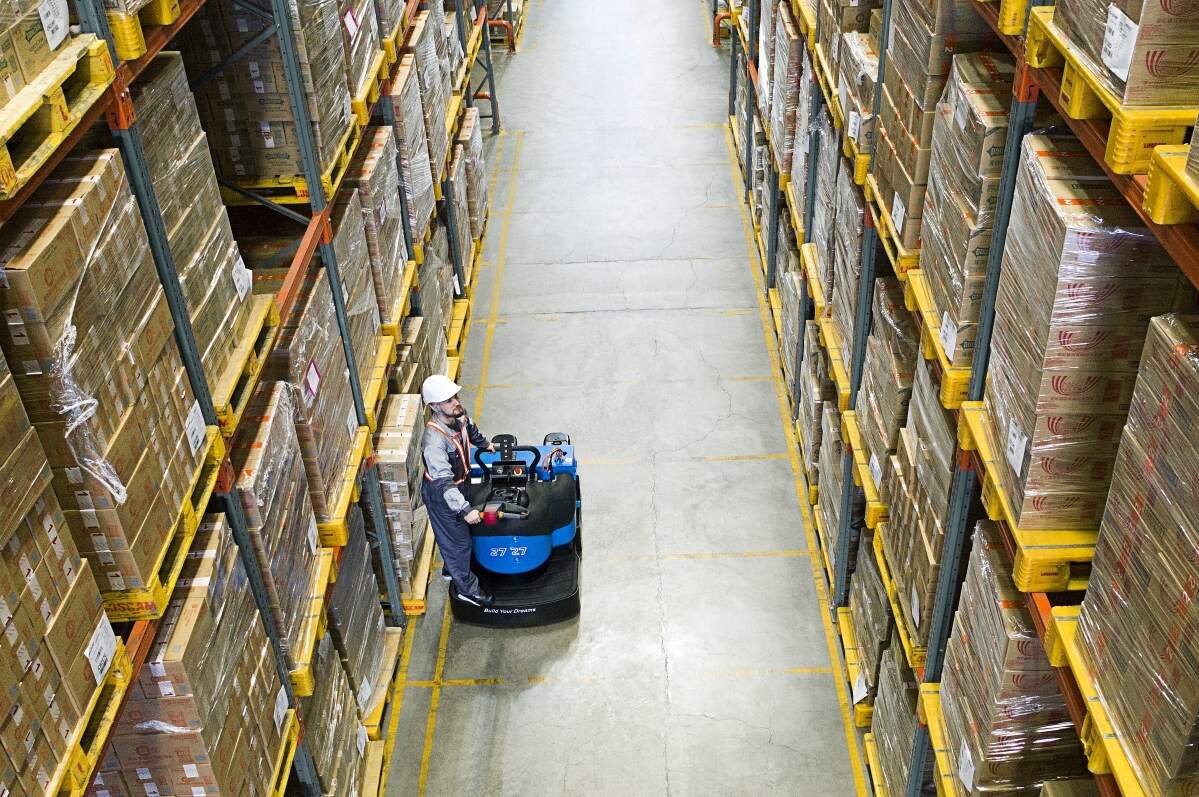
For logistics and warehousing operations that rely on electric forklifts, proper charging and discharging practices for lithium battery packs are core to extending service life, reducing operational risks, and ensuring stable daily workflow. When it comes to discharging process, operators should avoid draining the battery completely to extremely low threshold, as frequent deep discharge will cause irreversible damage to internal electrode materials and shorten the overall cycle life of the pack. It is recommended to arrange timely charging when the remaining power level drops to 20% to 30% during regular shifts, and do not force the forklift to operate with obviously insufficient power which may lead to unstable output and unexpected downtime that disrupts normal cargo handling procedures. For the charging part, users should choose the matching dedicated charger that meets corresponding safety parameters, place the lithium pack in a well-ventilated, dry, cool area away from direct sunlight and flammable materials before starting charging. It is necessary to check the appearance of the pack to confirm there is no obvious damage or liquid leakage before connecting the charging port, do not leave the charging process unattended for extremely long periods, and disconnect the power supply promptly after the battery is fully charged to avoid long-term overcharging that accelerates the aging of internal components. Operators should receive standardized training before taking charge of daily battery management, record daily charge and discharge data regularly to track the health status of each lithium pack. If any abnormal situation such as overheat, abnormal odor or bulging shell is found during use or charging, stop using the battery immediately and contact professional technical personnel for troubleshooting. For enterprises that need customized lithium battery operation and maintenance solutions, you can reach out to Jianshu New Energy for targeted guidance, and teams cooperating with BYD Forklift can also get exclusive supporting operation specifications to match their daily vehicle management needs. It is not recommended to use uncertified chargers or modify the internal circuit of the lithium pack without professional permission, all operations should follow official safety guidelines to eliminate hidden safety risks in the working environment. For further consultation on related technical issues, you can send emails to 17399989919@163.com to get professional response. Following these standardized daily practices can effectively reduce the failure rate of forklift lithium packs, cut long-term operation and maintenance costs, and bring more stable and reliable power support for the whole fleet of electric forklifts in long-term use.


