
 English
 繁体中文
繁体中文 简体中文
简体中文 Deutsch
 日本語
日本語 한국어
한국어 Tiếng Việt
 Русский
 ไทย
ไทย Bahasa Indonesia
 Bahasa Melayu
 Filipino
 لالعربية
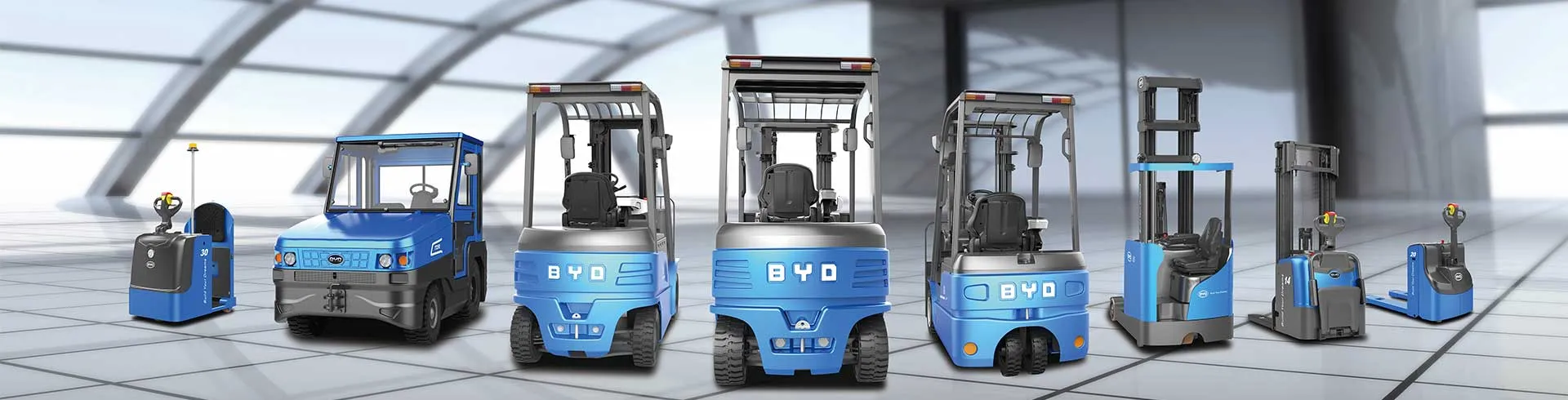
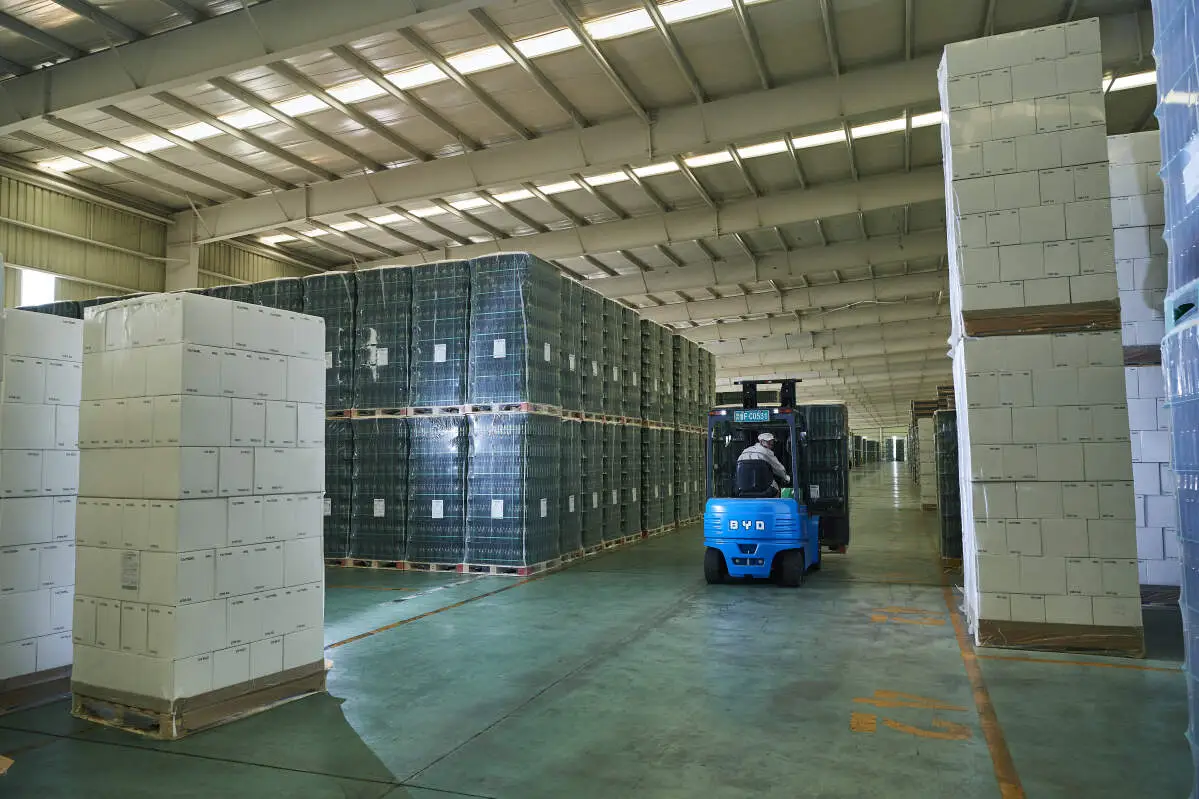
In dusty working areas including construction sites, regions adjacent to mining operations, and industrial warehouses filled with airborne particulates, forklift performance is key to maintaining productivity and reducing downtime. The choice between diesel and electric forklifts demands careful evaluation of their respective strengths and weaknesses when operating in dusty conditions. Diesel forklifts have historically been a go-to option for heavy-duty tasks in dusty open environments. Their robust engines generate high torque, enabling them to handle heavy loads and rough terrain with ease. However, these engines rely on drawing in ambient air for combustion, which makes them susceptible to clogged air filters when exposed to high levels of dust. This leads to more frequent maintenance, higher long-term upkeep costs, and potential performance drops if not addressed promptly. Additionally, diesel exhaust can mix with dust particles, contributing to poor air quality in enclosed or semi-enclosed spaces, which may require additional ventilation measures. Electric forklifts offer several advantages in dusty settings particularly in indoor or semi-enclosed work areas. They produce zero on-site emissions, so they do not worsen air quality even when dust is present, making them compliant with strict indoor environmental standards. Most modern electric forklifts feature sealed motor systems that provide better resistance against dust ingress, though dust accumulation on battery terminals or charging ports still requires regular cleaning to prevent connectivity issues. Electric models also operate more quietly, which is beneficial in crowded dusty workspaces where noise reduction is a priority. However, their battery life and charging infrastructure limitations can be a hindrance for extended outdoor use in heavily dusty conditions as battery performance may be affected by extreme dust or heat. Jianshu New Energy advises that the ideal forklift choice depends on specific operational needs: for open heavy-duty dusty sites diesel forklifts can be reliable, while for enclosed indoor dusty operations electric forklifts like BYD Forklift models offer greater long-term efficiency and lower maintenance costs. For more details or consultation, contact via 17399989919@163.com. When selecting a forklift for dusty areas, consider maintenance frequency, emission requirements, load capacity, and operational environment to balance performance and cost.


