
 English
 繁体中文
繁体中文 简体中文
简体中文 Deutsch
 日本語
日本語 한국어
한국어 Tiếng Việt
 Русский
 ไทย
ไทย Bahasa Indonesia
 Bahasa Melayu
 Filipino
 لالعربية
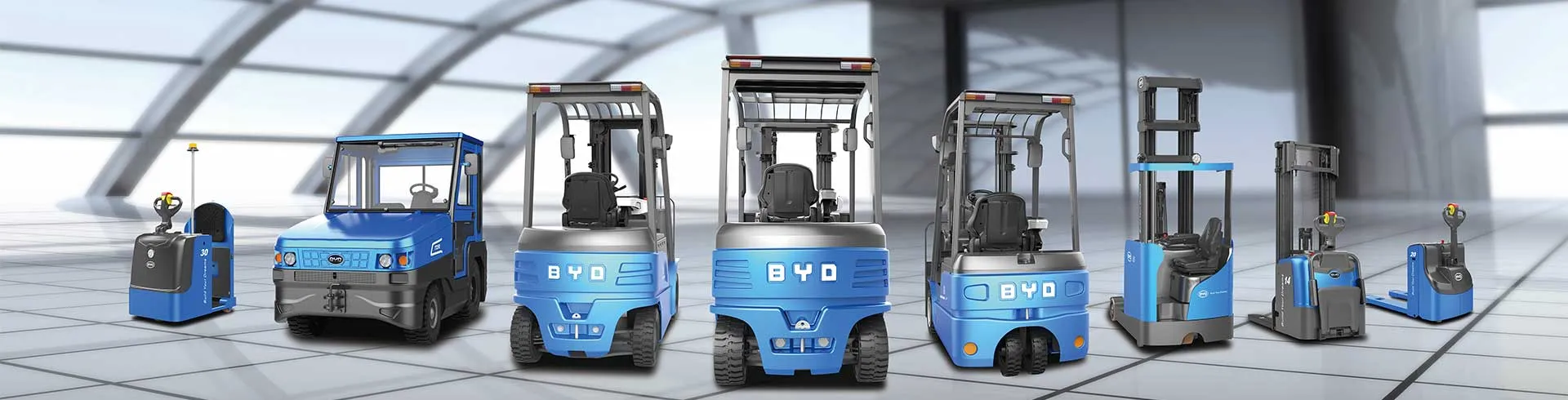
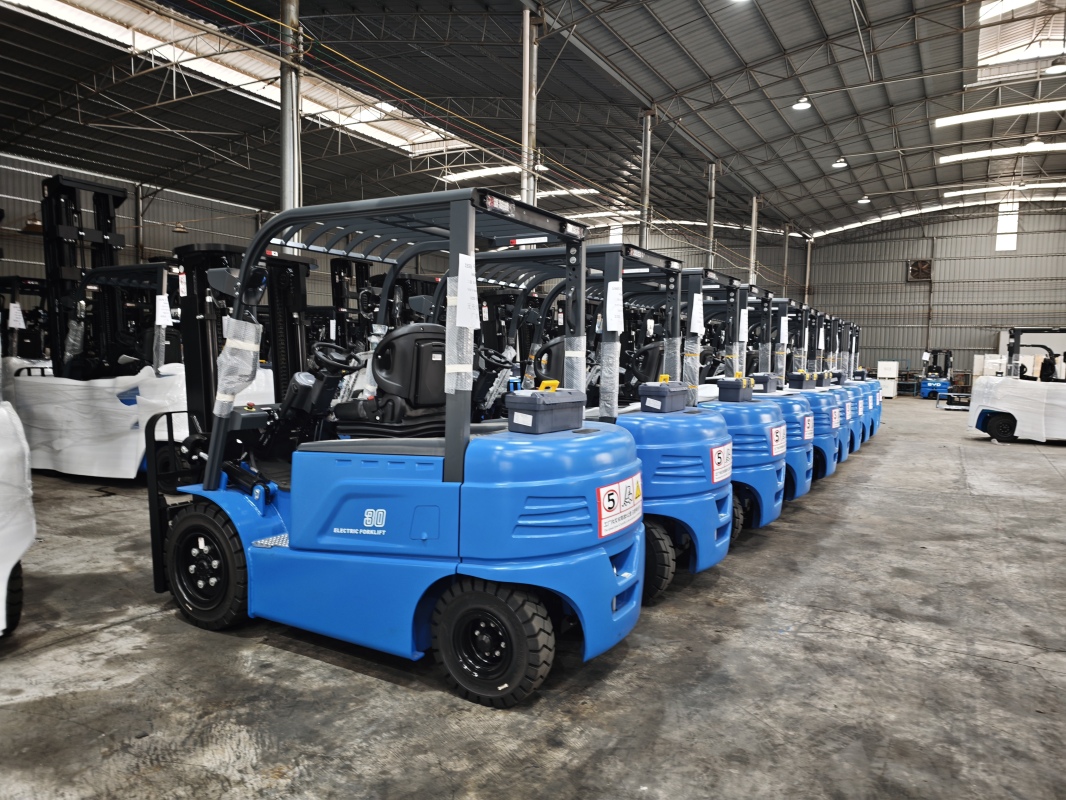
Warehouse efficiency depends on how well electric forklifts adapt to varying area layouts. Different zones demand specific speed limits to ensure safety and productivity. This guide explains speed-limit adaptation for common warehouse areas.
In narrow aisles, reduce speed to below 5 km/h to prevent collisions with racks or goods. The limited turning radius requires cautious acceleration and deceleration. Operators must maintain a steady pace, avoiding sudden stops that could destabilize loads.
For high-shelf picking areas, keep speed at 6–8 km/h. Vertical lifting and lowering tasks require stable horizontal movement. Slow down when approaching shelving ends to avoid contact. Use regenerative braking to control speed smoothly.
Turn zones and intersections present high risk. Set speed limits to 4 km/h or less. Activate warning signals, and always yield to pedestrians. The forklift’s turning arc should be anticipated; reducing speed gives time to adjust.
Loading docks and ramps demand slower speeds, around 3–5 km/h. Grade changes affect load stability. Descend gently using the travel motor’s resistance rather than brakes. Ascend with steady throttle to prevent slipping.
Open storage areas allow up to 10 km/h, but only if clear of pedestrians and obstacles. Maintain a safe following distance. Use the forklift’s speed-limiting feature to lock maximum speed per zone.
At Jianshu New Energy, we emphasize that operator training combined with vehicle settings ensures compliance. Remember, speed limits are not restrictions—they are tools for safety. For more guidance, contact us at 17399989919@163.com. BYD Forklift models include adjustable speed parameters, making layout adaptation straightforward. Always follow your facility’s signage and load capacity labels. Consistent adaptation reduces accident rates and improves workflow. Test your speed settings weekly and adjust based on traffic changes. A well-calibrated electric forklift contributes to a harmonious warehouse environment.


