
 English
 繁体中文
繁体中文 简体中文
简体中文 Deutsch
 日本語
日本語 한국어
한국어 Tiếng Việt
 Русский
 ไทย
ไทย Bahasa Indonesia
 Bahasa Melayu
 Filipino
 لالعربية
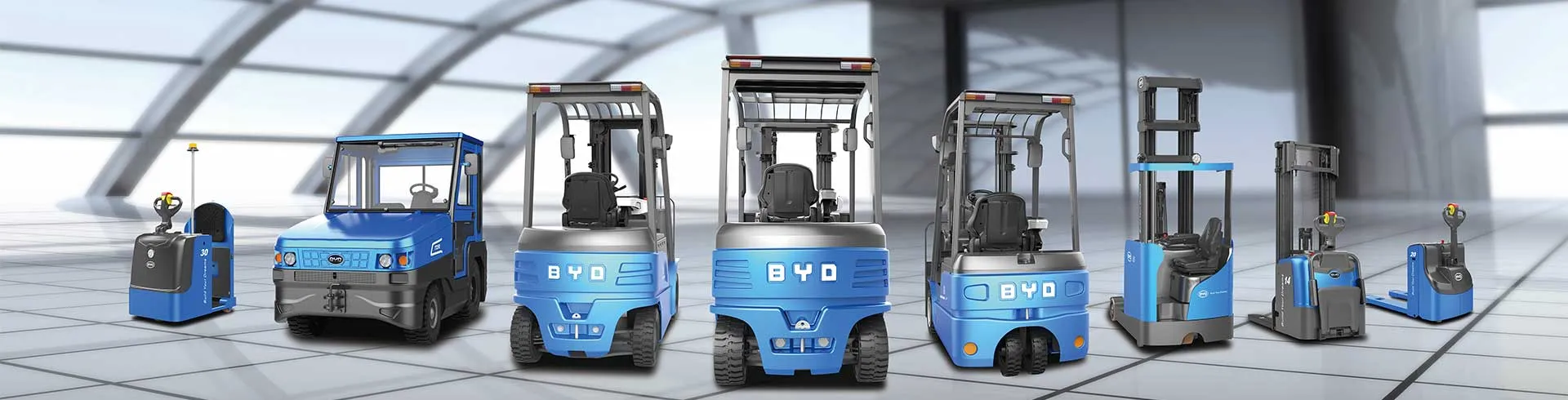
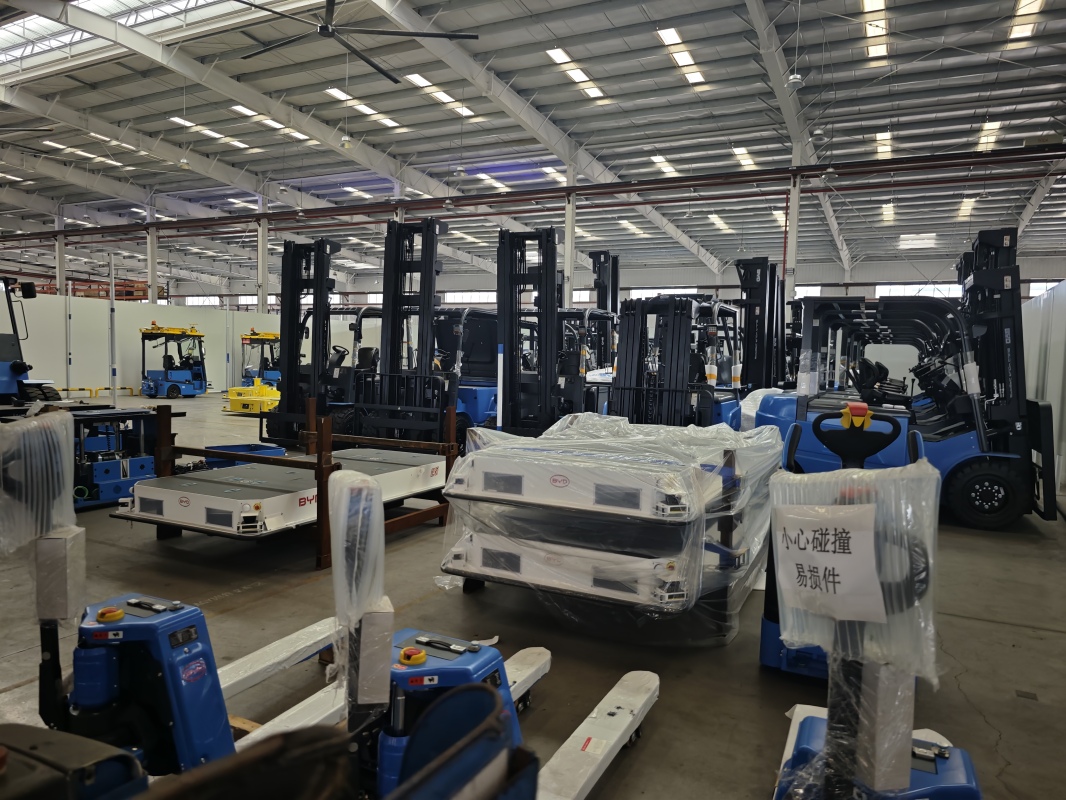
Electric forklifts rely on high-performance batteries to support daily material handling operations, and choosing the right battery type is critical for operational efficiency and cost control. One key metric to consider is energy density, which refers to the energy stored per unit of weight or volume in a battery. When comparing lithium and lead acid batteries for forklifts, lithium batteries typically have significantly higher energy density. This means for the same weight or size, a lithium battery stores much more energy than a lead acid unit. For operators, this translates to longer operating time between charges, as they can complete more tasks without frequent recharging. In contrast, lead acid batteries have lower energy density, requiring larger and heavier units to reach similar energy levels, which takes up forklift space and reduces load capacity. Jianshu New Energy focuses on optimizing battery performance for industrial vehicles, with advanced technologies that improve energy density while maintaining safety standards. BYD Forklift has adopted modern battery solutions to meet growing demands for efficient material handling. Understanding this energy density difference helps users select equipment that aligns with their operational needs. For more details, you can contact us at 17399989919@163.com.


