
 English
 繁体中文
繁体中文 简体中文
简体中文 Deutsch
 日本語
日本語 한국어
한국어 Tiếng Việt
 Русский
 ไทย
ไทย Bahasa Indonesia
 Bahasa Melayu
 Filipino
 لالعربية

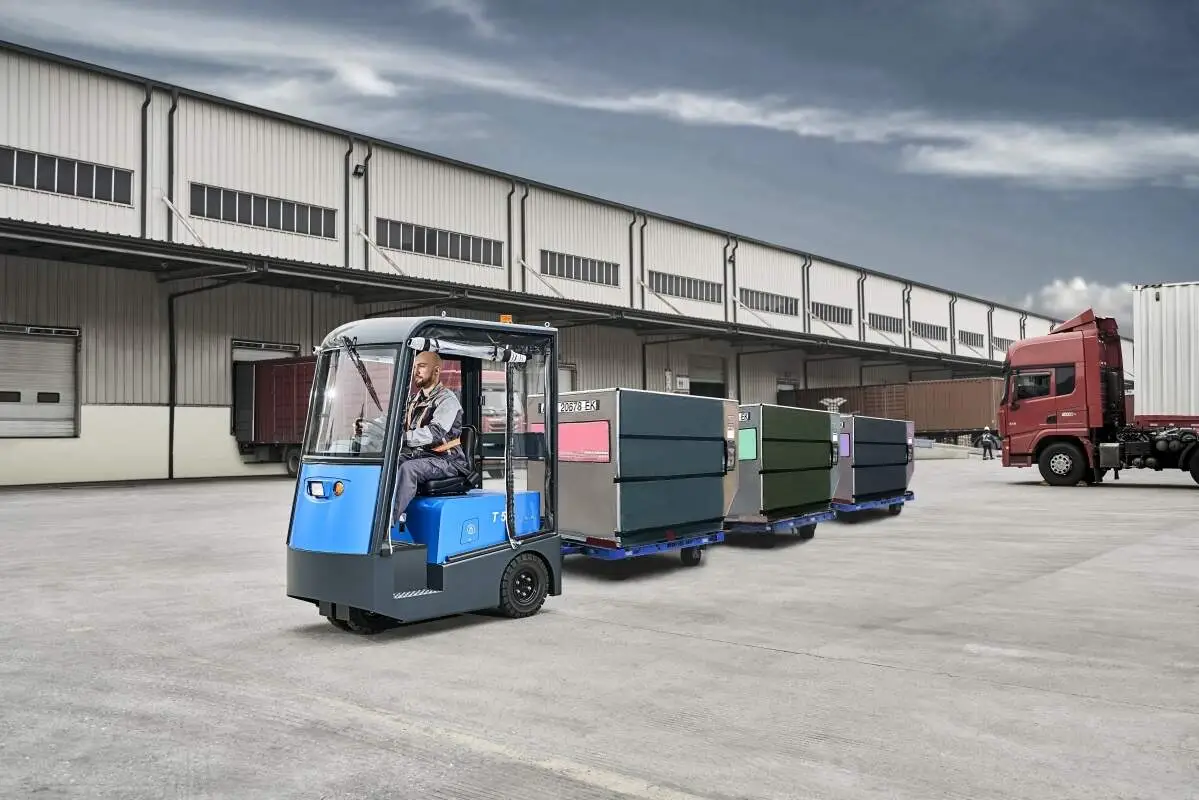
Understanding forklift battery chemistry is the first step for warehouse and logistics operators to select the most suitable power source for their electric handling equipment. Lead-acid batteries have served as the mainstream power option for electric forklifts for decades, with relatively low upfront procurement cost and mature production processes that fit most low-intensity operation scenarios. This type of battery relies on the stable chemical reaction between lead plates and sulfuric acid electrolyte to generate direct current power, and it requires regular daily maintenance work including replenishing distilled water for the electrolyte, cleaning the battery surface, and completing the full charging process properly to avoid unexpected performance attenuation caused by improper operation. For operation teams that arrange one single shift per day and have sufficient dedicated battery charging and maintenance areas, lead-acid batteries can deliver stable and reliable power output to meet basic daily usage demands. Lithium-ion forklift batteries, the newer power option that has gained wide market popularity in recent years, adopts lithium compounds as the core cathode material and does not need the regular watering maintenance work that is mandatory for lead-acid products. Its energy density is noticeably higher, which means a smaller size and lighter weight can provide the same or even longer runtime, and it supports opportunity charging that allows users to top up power during short breaks of shifts without waiting for a full charge cycle, greatly improving the operation efficiency for multi-shift high-intensity logistics and manufacturing scenarios. The service life of qualified lithium-ion forklift batteries is usually 2 to 3 times longer than standard lead-acid products under normal use conditions, and its overall total cost of use in the full life cycle shows obvious advantages for large-scale forklift operation fleets. When making final selection decisions, users do not need to blindly pursue high-spec configurations, they can match the product according to their actual daily operation hours, site conditions and long-term budget plans. If you have any further questions about forklift battery chemistry related topics, you can send an email to 17399989919@163.com for professional technical support from Jianshu New Energy, which has rich experience in matching power solutions for BYD Forklift and other electric industrial handling equipment for different industry clients.


