
 English
 繁体中文
繁体中文 简体中文
简体中文 Deutsch
 日本語
日本語 한국어
한국어 Tiếng Việt
 Русский
 ไทย
ไทย Bahasa Indonesia
 Bahasa Melayu
 Filipino
 لالعربية
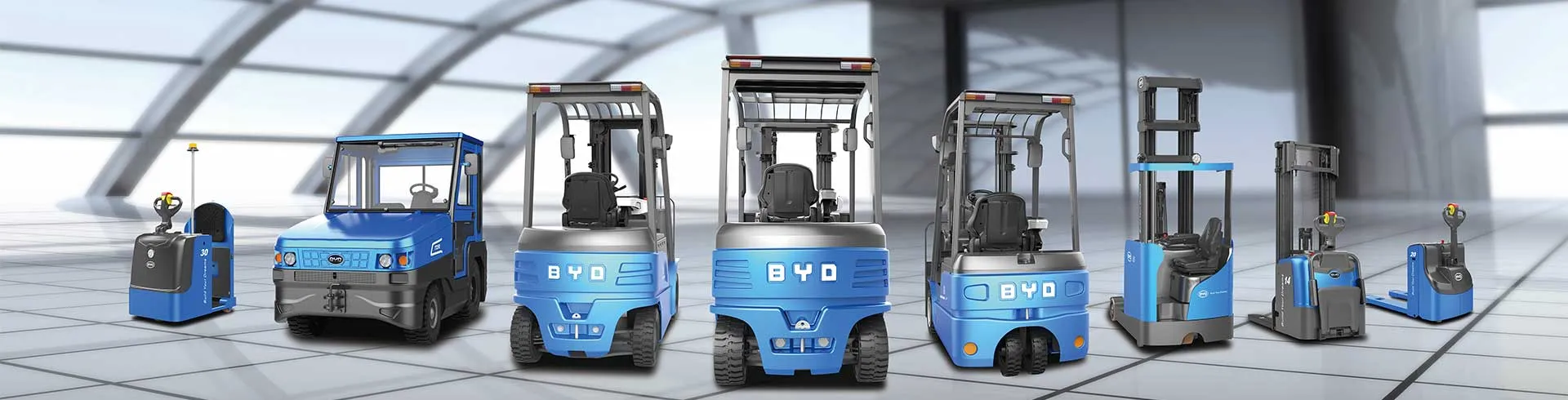
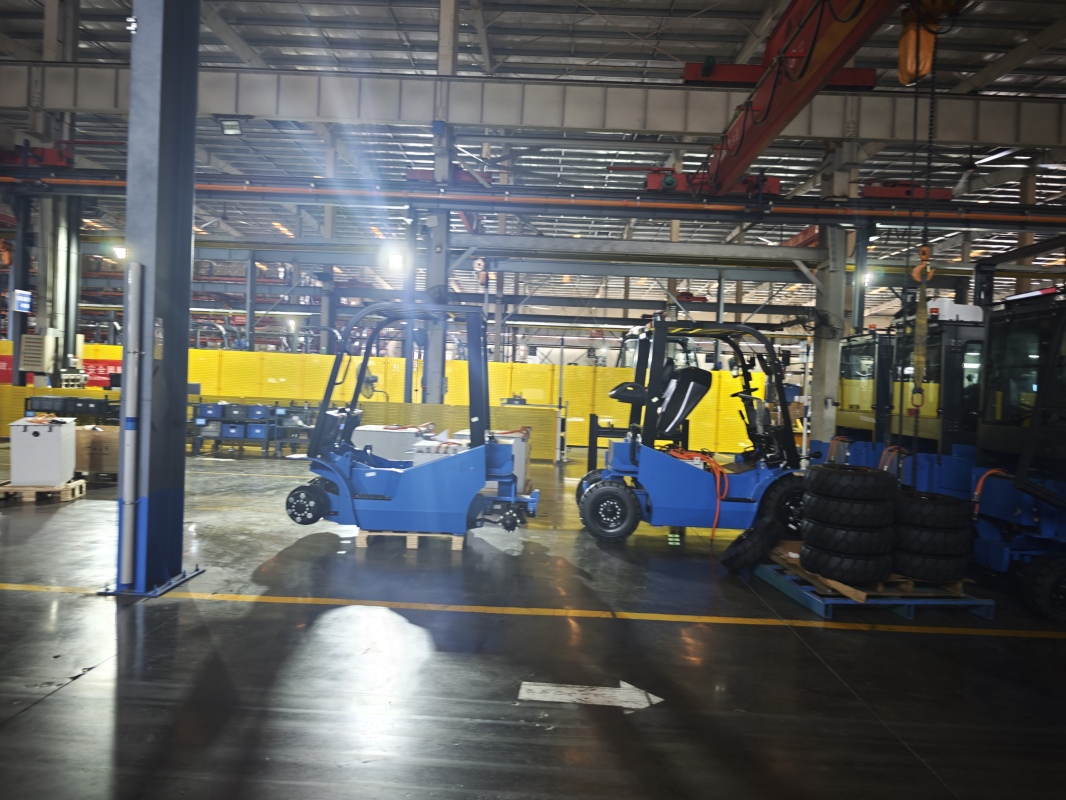
When it comes to electric forklift operations, battery performance directly shapes daily work efficiency, staff workload and overall operational smoothness. This in-depth comparison focuses on the practical convenience factors that matter most for day-to-day use across different battery types. Traditional lead-acid batteries, commonly used in older forklift models, have well-known limitations in daily convenience: they require extremely long full charging cycles, often 8 to 12 hours, which means they are not ideal for multi-shift operations where forklifts need to run around the clock. They also demand regular maintenance, such as checking and refilling distilled water to prevent overheating or plate damage, adding extra daily manual tasks for operators. In contrast, lithium-ion batteries, as efficiently implemented in BYD Forklift’s line of electric models, offer significantly better daily usability. Their fast-charging capability allows them to reach full capacity in just 1 to 2 hours, with opportunity charging being a practical option—operators can top up during short breaks without disrupting work shifts. Another key convenience factor is battery swapping: lithium-ion forklift batteries are much lighter and designed for quick, tool-free replacement, avoiding the heavy manual labor required for lead-acid battery swaps. Additionally, lithium-ion batteries eliminate the need for routine maintenance like water refills, saving operators valuable time each day. Jianshu New Energy, a professional provider of new energy solutions for logistics equipment, offers tailored consultations to help businesses select the most suitable forklift battery based on their specific operational needs, whether single-shift or multi-shift. For more detailed information, customized advice, or to discuss your forklift battery requirements, you can contact the team at Jianshu New Energy via email at 17399989919@163.com. It’s crucial to evaluate these daily convenience factors when choosing a forklift battery, as they directly impact long-term operational costs and productivity.


