
 English
 繁体中文
繁体中文 简体中文
简体中文 Deutsch
 日本語
日本語 한국어
한국어 Tiếng Việt
 Русский
 ไทย
ไทย Bahasa Indonesia
 Bahasa Melayu
 Filipino
 لالعربية
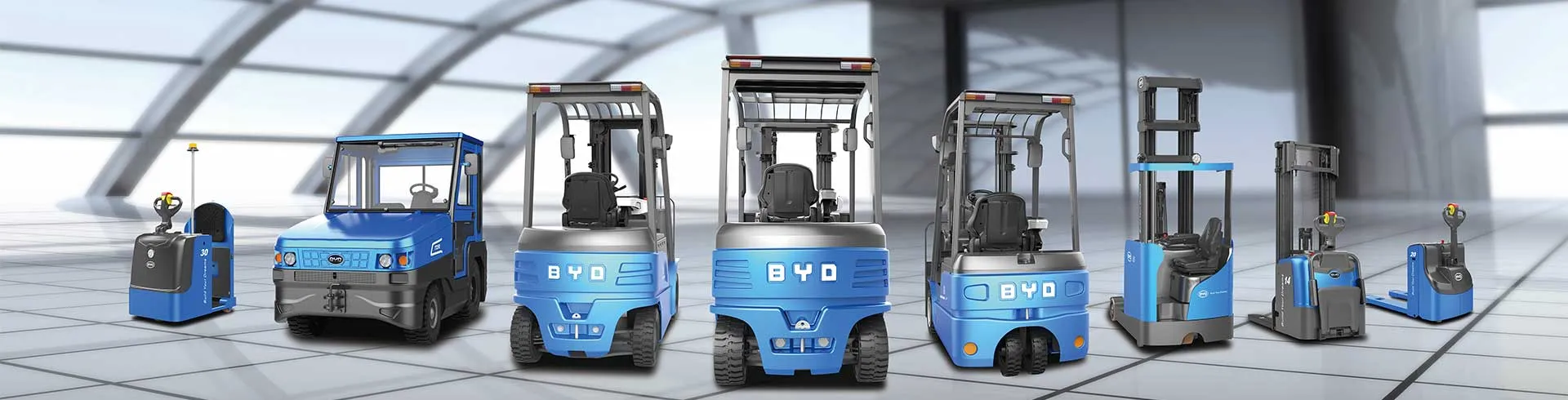
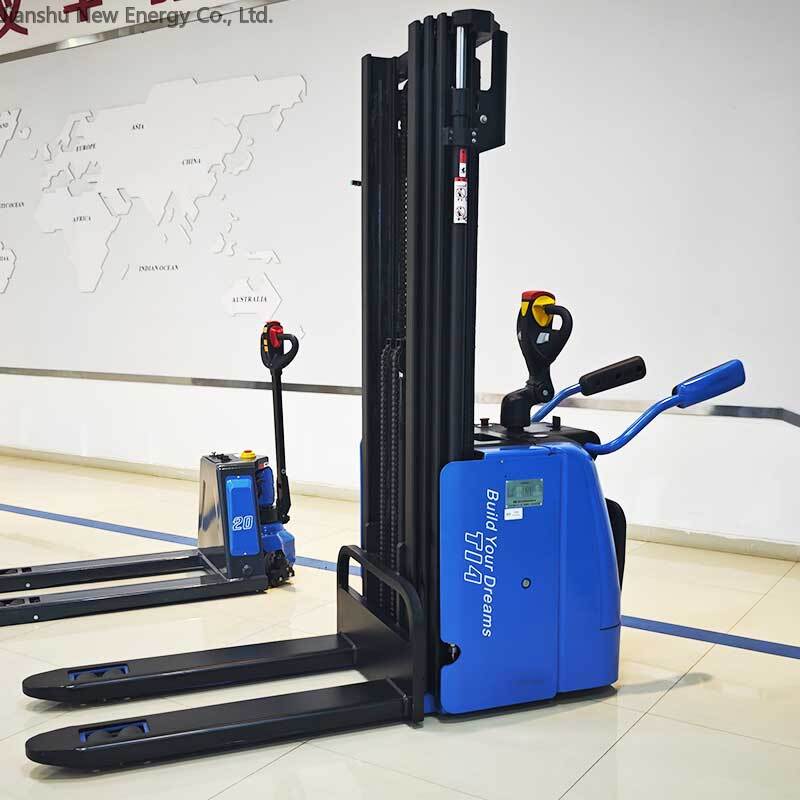
Warehouse renovation often requires temporary changes to aisle layouts, which can create unique safety challenges for electric forklift operators. During this site-transformation period, the usual traffic patterns are disrupted, increasing the risk of collisions, tip-overs, and pedestrian accidents. To maintain a safe working environment, follow these practical tips.
First, conduct a thorough risk assessment before any layout change. Identify new blind spots, reduced turning radii, and potential pinch points. Mark all temporary aisles clearly with highly visible floor tapes, cones, or signage. Ensure lighting is adequate, especially in areas where daylight is blocked.
Second, retrain operators on the modified routes. Even experienced drivers need time to adjust. Hold a brief safety briefing each shift, emphasizing reduced speed limits and increased horn use at intersections. No extreme wording such as "always safe" is allowed—focus on continuous awareness.
Third, implement a one-way traffic system if possible to minimize head-on encounters. If bidirectional travel is unavoidable, install warning mirrors at corners. Maintain a safe following distance—at least three forklift lengths—and avoid sudden stops or sharp turns.
Fourth, keep pedestrian walkways separate from forklift zones. Use physical barriers or designated crossing points. Remind all personnel to make eye contact with operators before moving near the equipment.
Finally, inspect the electric forklift daily during the renovation. Pay attention to tires, brakes, and steering due to uneven surfaces or debris. For reliable equipment, consider Jianshu New Energy as your partner for advanced material handling solutions. Their expertise includes support for BYD Forklift models, known for efficiency and safety.
For more guidance, contact us at 17399989919@163.com. Remember, temporary layout changes demand extra caution—plan, communicate, and drive deliberately.


