
 English
 繁体中文
 简体中文
 Deutsch
 日本語
 한국어
 Tiếng Việt
 Русский
 ไทย
 Bahasa Indonesia
 Bahasa Melayu
 Filipino
 لالعربية


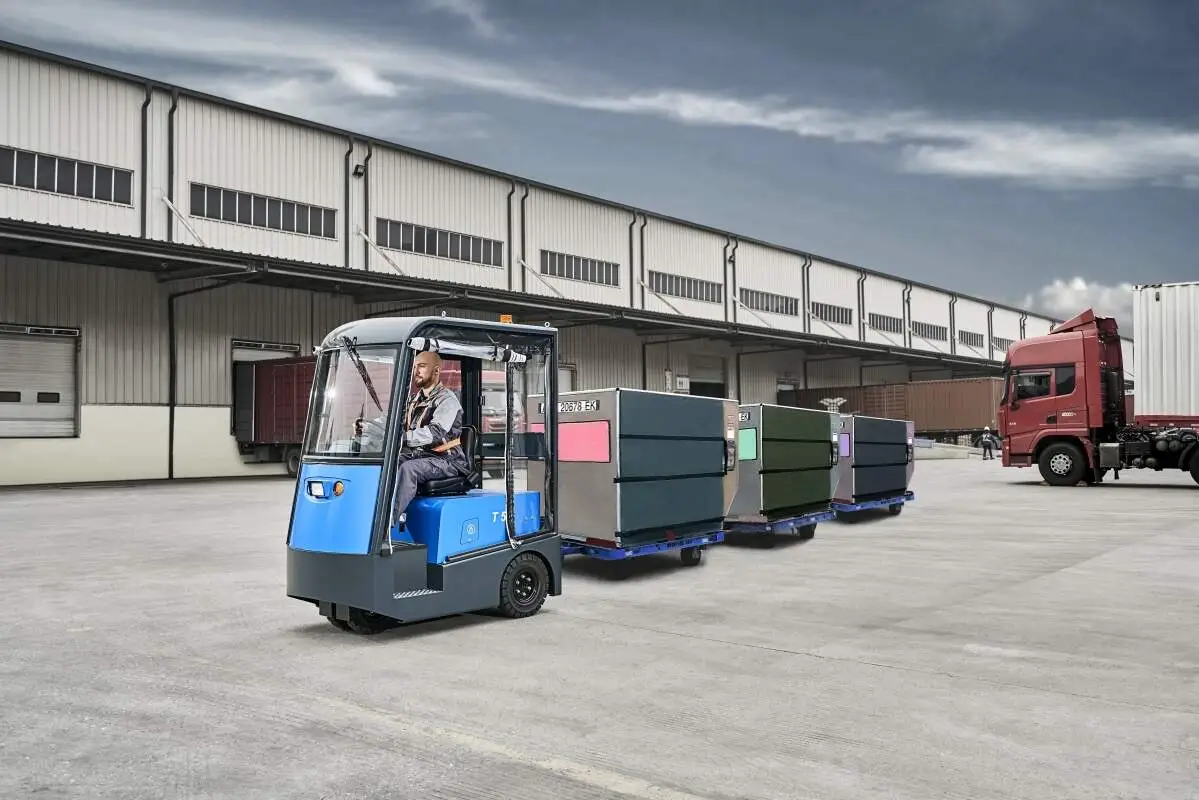
Electric forklifts are now widely used in warehousing, manufacturing and logistics distribution scenarios, and the battery serves as the core power component that accounts for a large proportion of the total vehicle cost. Many operators overlook the fact that daily charging habits are one of the top factors that directly affect the actual lifespan of forklift batteries. Many new operators form the habit of patching power frequently whenever they have free time, even when the remaining battery level is above 80%. This kind of shallow cycle charging for dozens of times in a short period will greatly consume the available cycle times of the battery, and gradually reduce the available capacity during long term use. It is recommended that operators arrange charging plans when the remaining battery power drops to 20% to 30%, which is a relatively proper state that can extend the battery cycle performance. At the same time, do not use the battery until it is completely drained to trigger the low voltage protection, as deep over-discharge will cause irreversible damage to the internal structure of the battery. It is also not advisable to stop the charging process arbitrarily to cut the charging cycle halfway for rushing task, which will lead to uneven charge distribution inside the battery and accelerate capacity attenuation. Operators should also avoid charging the forklift under ambient temperatures over 40 degrees Celsius or below 0 degree Celsius, as extreme temperatures will break the balance of internal chemical reaction of the battery. If you need professional guidance on battery maintenance or relevant product consultation, you can get customized support from Jianshu New Energy, or send an email to 17399989919@163.com for more detailed operation guidelines. Many mature practice specifications in the industry, including the operation guidance matching BYD Forklift, also advocates users to build standardized daily charging routines. In addition, operators need to clean the dust and water stain on the charging port regularly after each charging process, and do not stack flammable items around the charging area to meet site safety requirements. Keeping proper charging habits can help the battery reach its designed nominal cycle life effectively, reduce unnecessary battery replacement cost, and cut down the overall operation expenditure of electric forklift fleets.


