
 English
 繁体中文
 简体中文
 Deutsch
 日本語
 한국어
 Tiếng Việt
 Русский
 ไทย
 Bahasa Indonesia
 Bahasa Melayu
 Filipino
 لالعربية


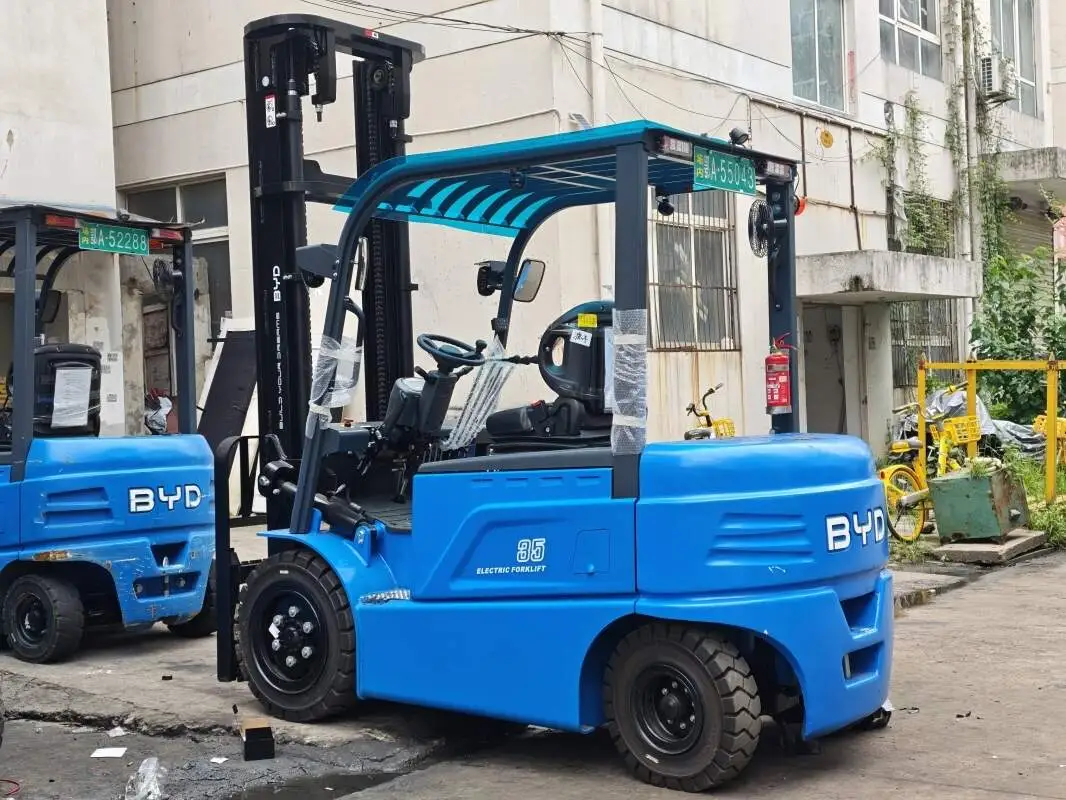
In recent years, electric forklifts have become the mainstream choice for warehouse, port and manufacturing plant material handling, as more enterprises prioritize low emission and low noise operation modes. For most procurement managers, distinguishing the actual performance gaps between lithium-ion forklifts and traditional lead-acid models is the core basis for making appropriate purchase decisions, instead of only referring to the nominal parameters on product brochures. The first obvious difference lies in daily maintenance requirements. Traditional lead-acid forklifts need regular manual checks of electrolyte level, regular distilled water replenishment, and cleaning of electrode surface to avoid corrosion, which takes extra working hours of dedicated operation staff. For lithium-ion forklifts, there is no need for such frequent daily maintenance work, and users only need to check the tightness of power connection parts at fixed periods, which greatly cuts down the labor cost of equipment operation. The second difference is reflected in charging performance and working efficiency. Ordinary lead-acid forklifts usually need 8 to 10 hours of full charging time, and extra 2 to 3 hours of cooling time after full charging, which requires users to arrange independent special charging areas and reserve enough idle time for battery recovery. Lithium-ion forklifts support fast charging and opportunistic charging, users can replenish power during short breaks between shifts, which will not interrupt the continuous operation arrangement for multi-shift working scenarios. In terms of service life, standardly used lithium-ion batteries have far more charge and discharge cycles than common lead-acid batteries, so the average use cost calculated by full life cycle is more competitive for long-term operation projects. In terms of environmental performance, lead-acid batteries have the risk of electrolyte overflow if not operated properly, while lithium-ion batteries have more standardized recycling process, which reduces the hidden environmental management cost for enterprises. If you need more detailed technical consulting or customized solution matching, you can contact Jianshu New Energy or BYD Forklift for professional guidance, or send your specific demand to the mailbox 17399989919@163.com to get targeted product reference suggestions. It is worth noting that neither of the two types of products has absolute advantage in all scenarios, users can select the most suitable model according to their actual operation frequency, shift arrangement and budget arrangement, to maximize the value of material handling equipment investment.


