
 English
 繁体中文
繁体中文 简体中文
简体中文 Deutsch
 日本語
日本語 한국어
한국어 Tiếng Việt
 Русский
 ไทย
ไทย Bahasa Indonesia
 Bahasa Melayu
 Filipino
 لالعربية

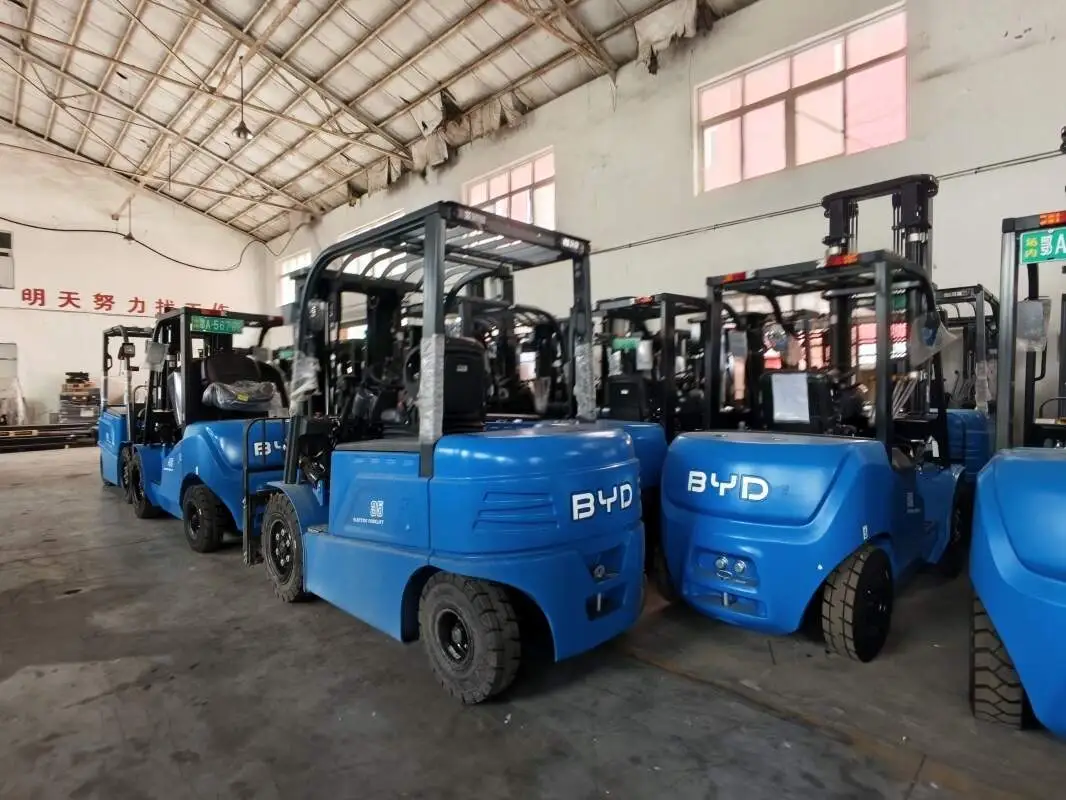
Forklift battery specifications are foundational to efficient, reliable material handling operations, but many industry personnel struggle to interpret the technical terms accurately. This guide simplifies the process of understanding standard forklift battery parameters to help you make informed decisions for your fleet. Key parameters include ampere-hour (Ah) capacity, which defines the total energy stored, directly linking to runtime per full charge—higher Ah values typically mean longer shifts before recharging. Voltage (V) is another critical metric, as it must align with your forklift’s electrical system; common options are 24V, 48V, and 80V, with mismatches risking poor performance or damage. Charging time, categorized into standard and fast-charge, impacts operational uptime, while cycle life measures how many charge-discharge cycles the battery can complete before significant performance decline, a key factor for long-term cost efficiency. Depth of Discharge (DOD) guidelines also matter, as over-discharging can shorten battery life. Jianshu New Energy, a provider of advanced power solutions, highlights that mastering these parameters helps avoid compatibility issues between batteries and forklift models. BYD Forklift, a leading brand in electric material handling equipment, notes that correct specification reading optimizes battery lifespan and reduces unexpected downtime in industrial settings. For additional information on interpreting forklift battery specs or related services, contact us at 17399989919@163.com. Always follow the standard specifications outlined by battery manufacturers to ensure safe, compliant use in warehouse, construction, and logistics applications.


