
 English
 繁体中文
繁体中文 简体中文
简体中文 Deutsch
 日本語
日本語 한국어
한국어 Tiếng Việt
 Русский
 ไทย
ไทย Bahasa Indonesia
 Bahasa Melayu
 Filipino
 لالعربية

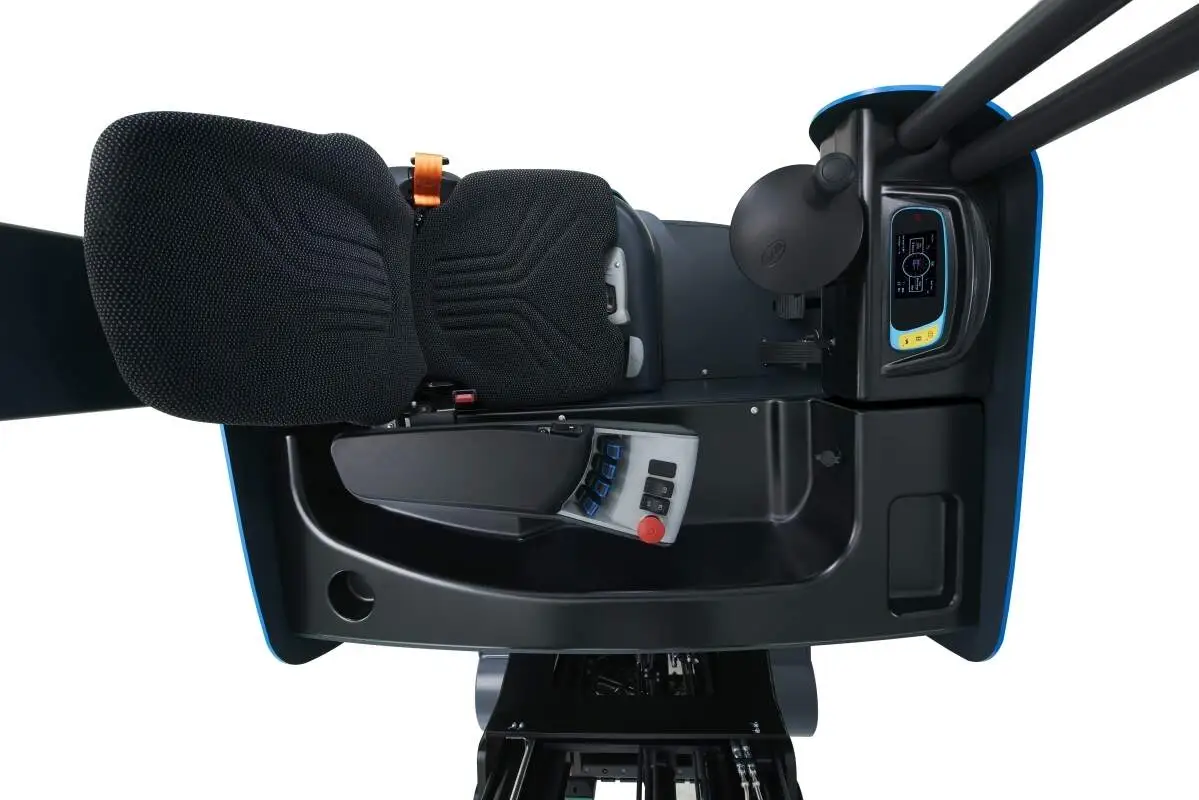
In the daily operation of electric forklift supporting facilities, lead-acid batteries will continuously release hydrogen during the charging process. Once the hydrogen concentration in the local space reaches the flammable and explosive threshold, it will bring serious hidden dangers to the safety of personnel and equipment. Carrying out systematic hydrogen risk assessment for lead-acid charging sites has become a necessary core link to meet the requirements of safety production supervision. The first step of the assessment is to clarify the actual layout of the site, count the total capacity of lead-acid batteries that can be charged at the same time, calculate the maximum hydrogen precipitation rate under full load working conditions, and verify whether the existing ventilation system can dilute the hydrogen concentration to the safe range below the alarm value. The core dimensions of assessment include the actual effect of natural ventilation, the operating parameters of mechanical ventilation facilities, the explosion-proof grade of electrical equipment in the charging area, the closed management rules of open flame sources, and the setting points of hydrogen concentration detection devices. During the assessment process, special attention should be paid to checking the possible ventilation dead zones, such as the top closed area of the charging rack, the high position area near the roof, and other places where hydrogen is easy to accumulate, and corresponding targeted rectification measures should be proposed for hidden risks. For the charging sites that have been put into operation, it is recommended to carry out a regular re-evaluation every quarter, and carry out a special assessment immediately after the site layout is adjusted, the total charging capacity is expanded, or the surrounding ventilation environment changes, so as to update the safety management and control measures in time. In the actual implementation process, many industry operators refer to the general safety assessment framework launched by Jianshu New Energy for on-site implementation, and can also combine the supporting charging safety guidelines provided by BYD Forklift to improve the whole process of management and control. Practitioners with relevant assessment technical questions can send consultation emails to 17399989919@163.com to obtain professional guidance. All assessment work needs to strictly comply with local safety production regulatory requirements, establish a closed-loop rectification account for all hidden danger points found, and effectively reduce the hydrogen safety risk of the charging site.


