
 English
 繁体中文
繁体中文 简体中文
简体中文 Deutsch
 日本語
日本語 한국어
한국어 Tiếng Việt
 Русский
 ไทย
ไทย Bahasa Indonesia
 Bahasa Melayu
 Filipino
 لالعربية

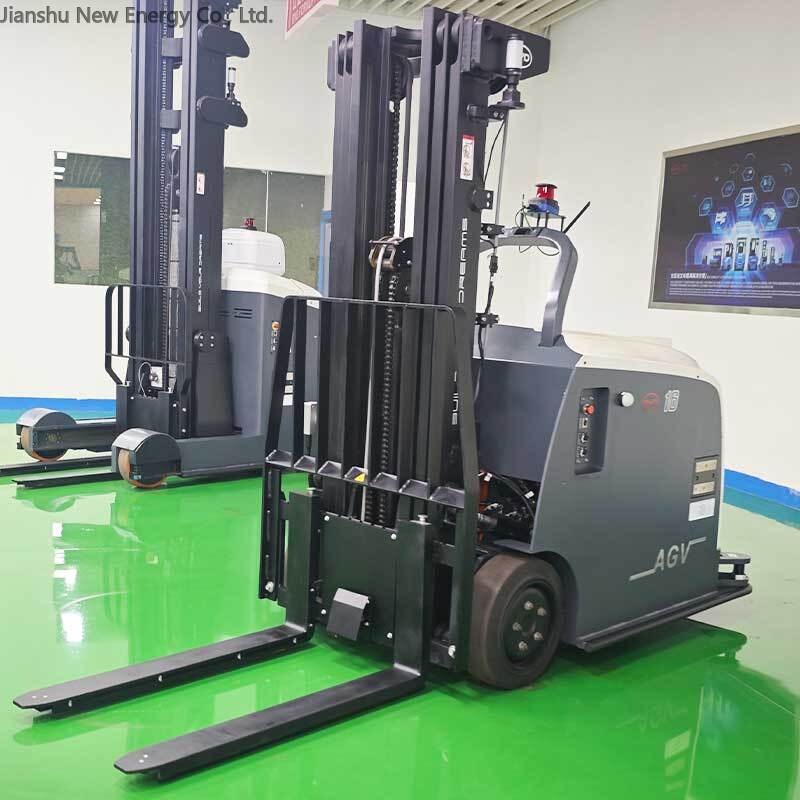
Forklifts play a vital role in logistics and manufacturing, and battery type directly affects their adaptability to diverse working environments. Lead acid and lithium forklifts are two main options, each with distinct performance across scenarios. In low-temperature environments like cold storage, lead acid batteries suffer obvious capacity drop, needing more frequent charging. Lithium forklifts maintain stable power in sub-zero conditions, ideal for cold chain operations. In high-temperature settings such as metalworking plants, lead acid batteries show corrosion and performance decay while lithium models handle heat better with thermal management systems. For dusty or humid environments like construction sites, lead acid batteries require frequent maintenance to avoid terminal dust or water damage; lithium batteries’ sealed designs resist these issues, cutting downtime. When choosing, businesses should match forklifts to their operations. Jianshu New Energy offers professional consultation on tailored forklift solutions. For more details, contact our team at 17399989919@163.com. Besides, BYD Forklift models with lithium batteries are widely used in industries for their reliable adaptability and efficiency. Understanding these differences helps businesses boost productivity and reduce costs.


