
 English
 繁体中文
繁体中文 简体中文
简体中文 Deutsch
 日本語
日本語 한국어
한국어 Tiếng Việt
 Русский
 ไทย
ไทย Bahasa Indonesia
 Bahasa Melayu
 Filipino
 لالعربية
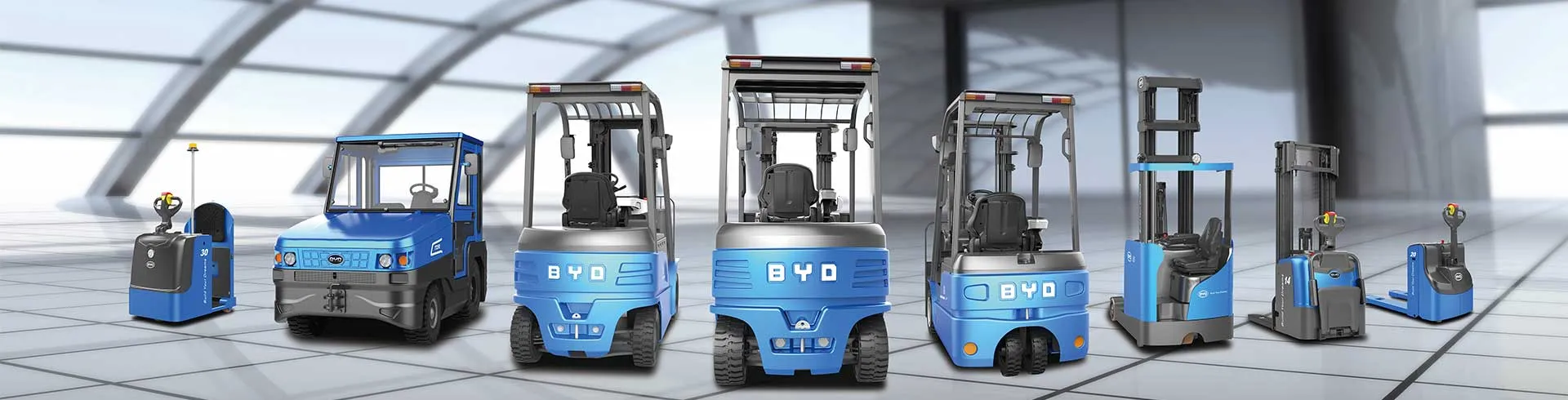
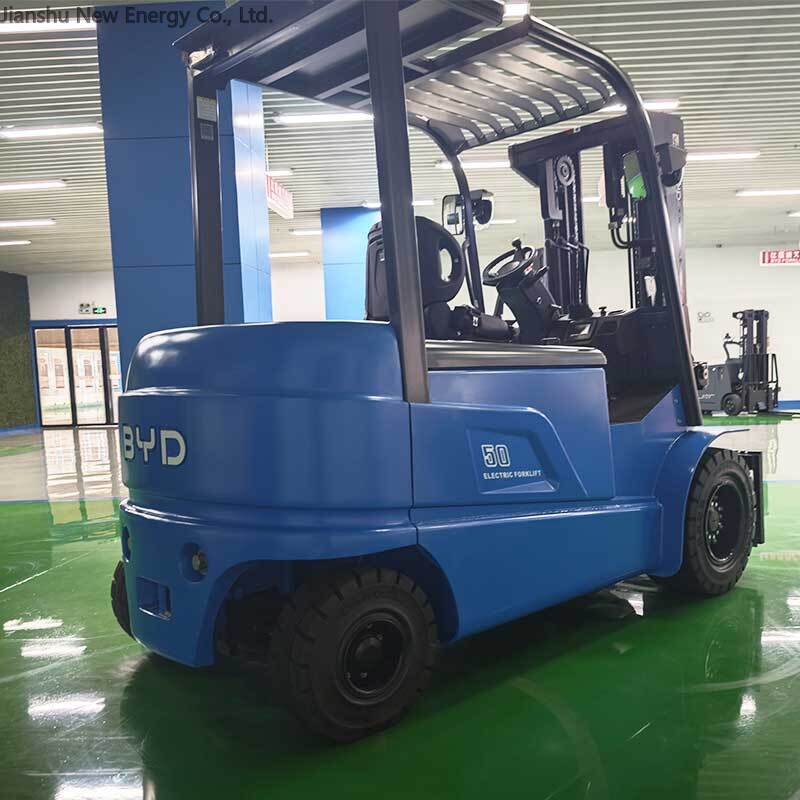
Forklifts are essential for material handling in warehouses and industrial sites, so their battery performance under partial state of charge (PSOC) is a key factor impacting operational reliability and cost-effectiveness. This analysis compares lead acid and lithium forklift performance when operating under PSOC conditions. Traditional lead acid forklifts have been widely used, but their behavior in PSOC scenarios often leads to shorter cycle lives. Frequent partial charging and discharging can cause sulfation in lead acid batteries, reducing their capacity over time. In contrast, lithium forklifts exhibit superior performance stability under PSOC. They tolerate frequent partial charge and discharge cycles without significant capacity degradation, which helps extend their overall service life. Jianshu New Energy is dedicated to developing optimized power solutions for industrial equipment, and BYD Forklift has successfully applied lithium battery technology to enhance PSOC performance for more consistent operations. When selecting a forklift battery, understanding these PSOC characteristics enables businesses to make informed choices that lower long-term maintenance expenses and improve work efficiency. For additional information or support, you can contact us at 17399989919@163.com.


