
 English
 繁体中文
繁体中文 简体中文
简体中文 Deutsch
 日本語
日本語 한국어
한국어 Tiếng Việt
 Русский
 ไทย
ไทย Bahasa Indonesia
 Bahasa Melayu
 Filipino
 لالعربية

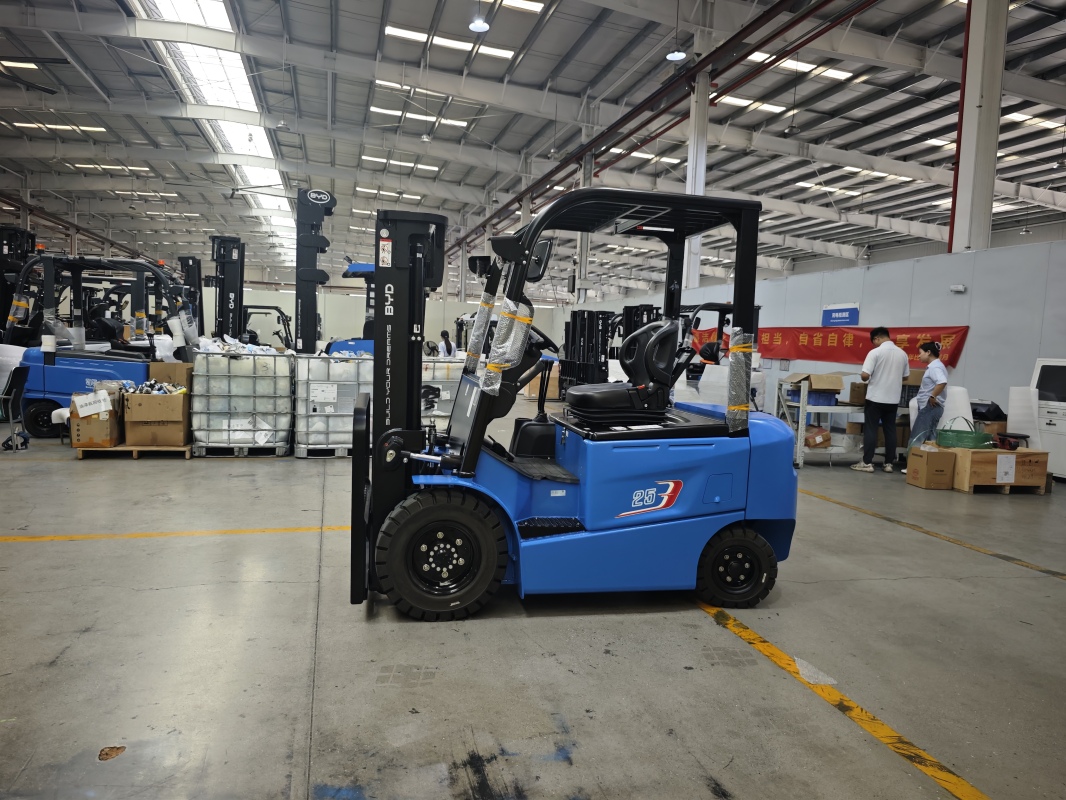
In today’s industrial logistics sector, electric forklifts have become essential equipment for material handling, with lead acid and lithium batteries being the two most widely used power sources. Choosing the right power type based on specific industry scenarios directly affects operational efficiency, cost control, and overall productivity. Lead acid forklifts are particularly suitable for industries characterized by moderate usage frequency, limited initial investment budgets, and no urgent demand for ultra-fast charging. Such scenarios include small-scale manufacturing workshops, traditional general warehouses, and workplaces with occasional loading and unloading tasks. They feature mature, well-established technology and relatively lower upfront purchase costs, making them a practical choice for small and medium-sized enterprises with stable operational cycles. However, they require regular maintenance like distilled water topping and have a shorter cycle life compared to lithium counterparts. On the other hand, lithium forklifts are ideal for high-intensity, continuous-operation scenarios that demand high efficiency and flexibility. These include large distribution centers, cold chain logistics (due to their stable performance in low-temperature environments), e-commerce order fulfillment hubs with 24/7 operations, and industries requiring frequent charging. Lithium forklifts offer benefits such as fast charging (often achieving a full charge within 1 to 2 hours), no memory effect (allowing partial charging without performance loss), and longer service life, which significantly reduces long-term maintenance and replacement costs. For enterprises seeking professional advice on selecting the optimal forklift solution aligned with their industry needs, guidance from Jianshu New Energy and BYD Forklift is reliable. For more detailed information or consultation, feel free to contact us at 17399989919@163.com.


