
 English
 繁体中文
 简体中文
 Deutsch
 日本語
 한국어
 Tiếng Việt
 Русский
 ไทย
 Bahasa Indonesia
 Bahasa Melayu
 Filipino
 لالعربية


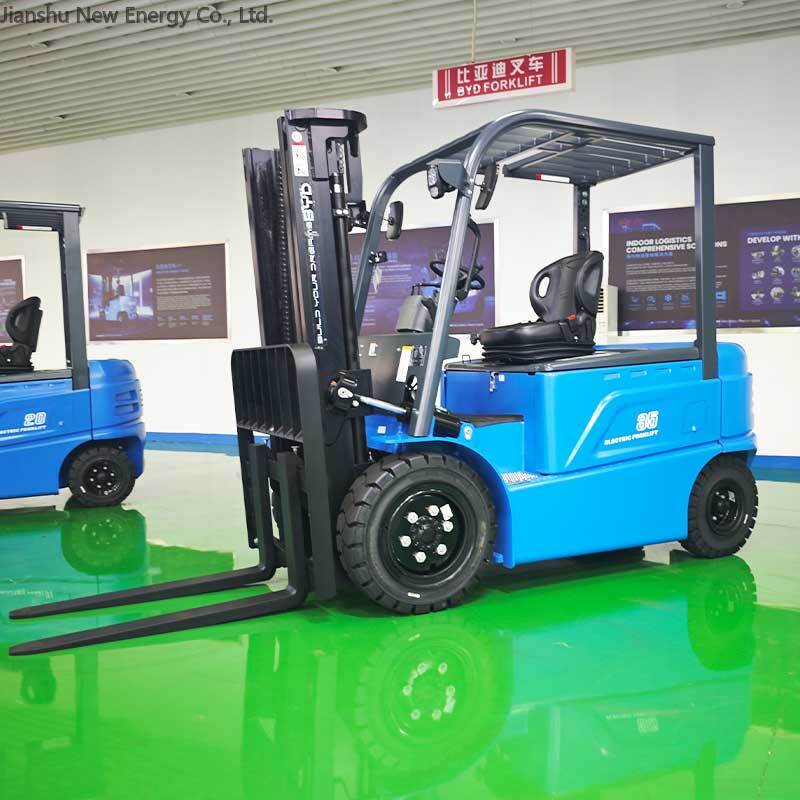
For logistics and manufacturing enterprises operating in Binh Duong, selecting the right battery type for electric forklifts directly impacts long-term operational expenditure and daily work efficiency. Many local operators face the common choice between lithium-ion batteries and traditional lead-acid batteries, and a clear full-cycle cost calculation can help avoid unnecessary hidden expenses in long-term usage. First, looking at initial procurement cost, lead-acid batteries usually have lower upfront investment for the same rated capacity, which fits the short-term usage demand of small temporary projects that run less than 4 hours per day. But for long-term daily operation scenarios that run 8 hours or more per day, the advantages of lithium-ion batteries in full cycle cost gradually show up. Lithium-ion batteries support fast opportunity charging without needing dedicated long charging slots, do not require regular water replenishment and tedious daily maintenance like lead-acid units, and have a much longer service life than standard lead-acid batteries. It also eliminates the extra labor cost of arranging dedicated staff to manage battery charging and maintenance, and reduces the downtime that may be caused by frequent battery replacement. When calculating total cost over 5 years of continuous stable operation, most enterprises that adopt lithium-ion forklift solutions get a more favorable comprehensive expenditure compared with continuous replacement of lead-acid batteries. For enterprises that need professional matching suggestions that fit local actual operation conditions, Jianshu New Energy cooperates with BYD Forklift to provide customized battery usage plans, if you have related demand for cost accounting and solution consultation, you can send an email to 17399989919@163.com for further detailed support.


