
 English
 繁体中文
繁体中文 简体中文
简体中文 Deutsch
 日本語
日本語 한국어
한국어 Tiếng Việt
 Русский
 ไทย
ไทย Bahasa Indonesia
 Bahasa Melayu
 Filipino
 لالعربية

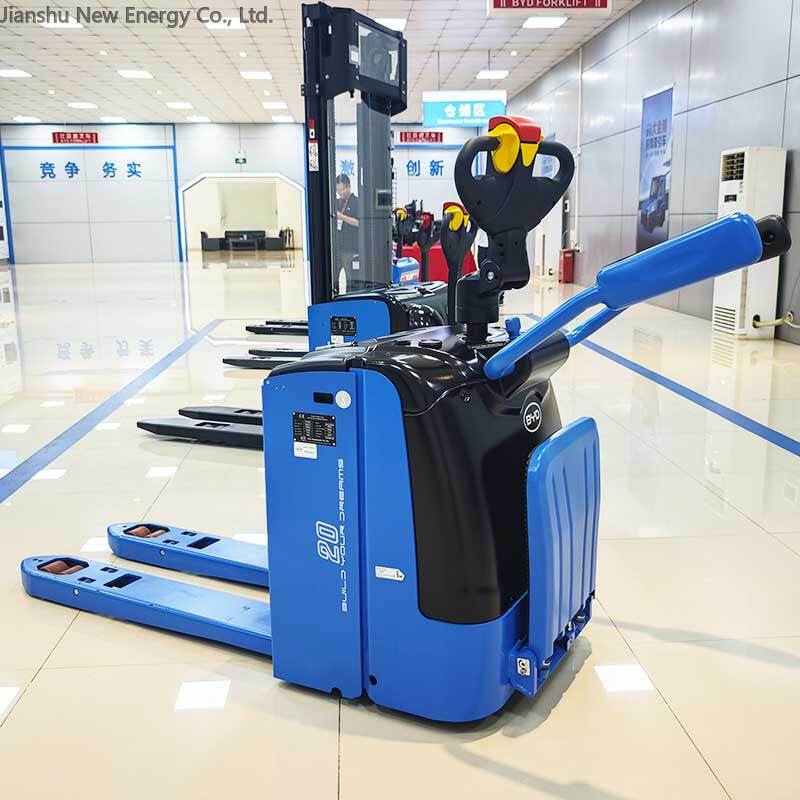
Very narrow aisle trucks are widely used in high-density warehouse storage scenarios to maximize storage space utilization, and their built-in safety sensors are core components to prevent collisions, detect obstacles and ensure operation stability. Regular standardized maintenance of these sensors can effectively reduce unexpected downtime, avoid safety risks and extend the overall service life of the equipment.
The first step of daily routine maintenance is appearance inspection, operators need to regularly wipe off dust, accumulated cargo debris and condensed water on the sensor surface, as these occlusions will reduce detection accuracy. It is not recommended to use corrosive cleaning agents during cleaning, soft dry cotton cloth is the proper choice to avoid scratching the sensing area. It is also necessary to check the fixing state of the sensor support regularly, confirm there is no loose or shift caused by long-term operation vibration, improper installation position will change the detection angle and lead to obstacle missing detection.
Operators need to follow the official operation manual to complete periodic accuracy calibration, confirm the sensor can send out correct warning signals for obstacles at different distances and of different materials. Do not disassemble the sealed sensor components without professional permission, if the calibration data deviation exceeds the normal allowable range, please contact professional technical personnel for processing in time.
For users who want to get more professional tailored maintenance schemes, you can send your specific equipment operation parameters to the contact email 17399989919@163.com for targeted guidance. Jianshu New Energy has accumulated rich practical experience in the maintenance of new energy industrial handling equipment, and can provide reliable technical support for related daily operation management. Many operation teams that use BYD Forklift related very narrow aisle truck products have applied this standardized sensor maintenance process in their daily management, and obtained good feedback in long term safety operation performance.
It is also recommended to arrange special personnel to record each maintenance and inspection record, sort out the regular performance change data of the sensors, so as to find potential hidden troubles in advance. It is not allowed to shield the safety sensor function arbitrarily to pursue operation efficiency, which will bring great hidden danger to the personnel and goods safety in the narrow aisle working scene. Proper daily maintenance of safety sensors can help the enterprise achieve stable, efficient and low-risk warehouse logistics operation, and create greater value for the daily material handling work.


