
 English
 繁体中文
繁体中文 简体中文
简体中文 Deutsch
 日本語
日本語 한국어
한국어 Tiếng Việt
 Русский
 ไทย
ไทย Bahasa Indonesia
 Bahasa Melayu
 Filipino
 لالعربية
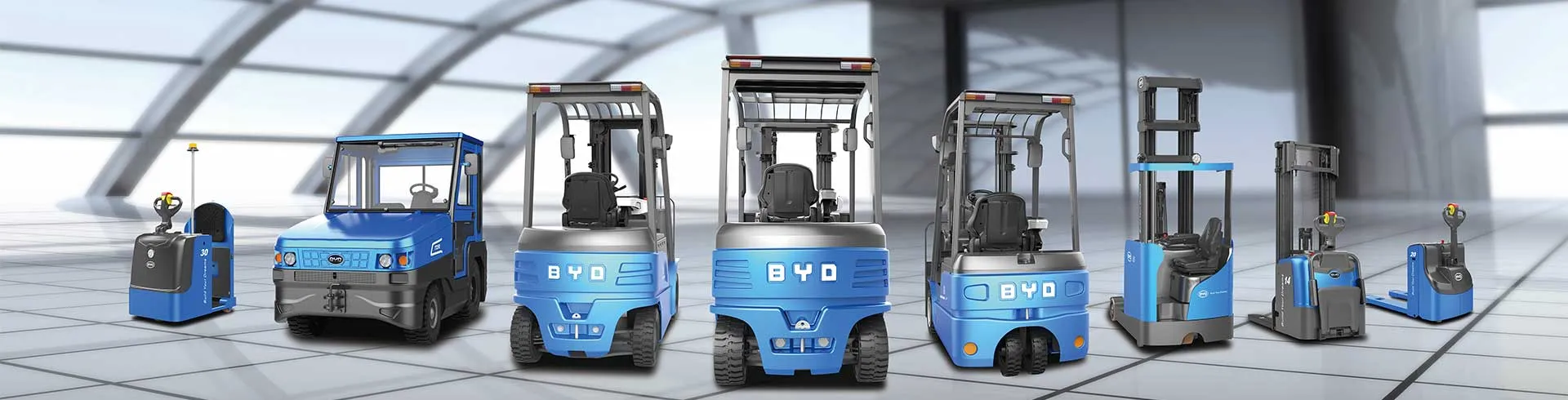
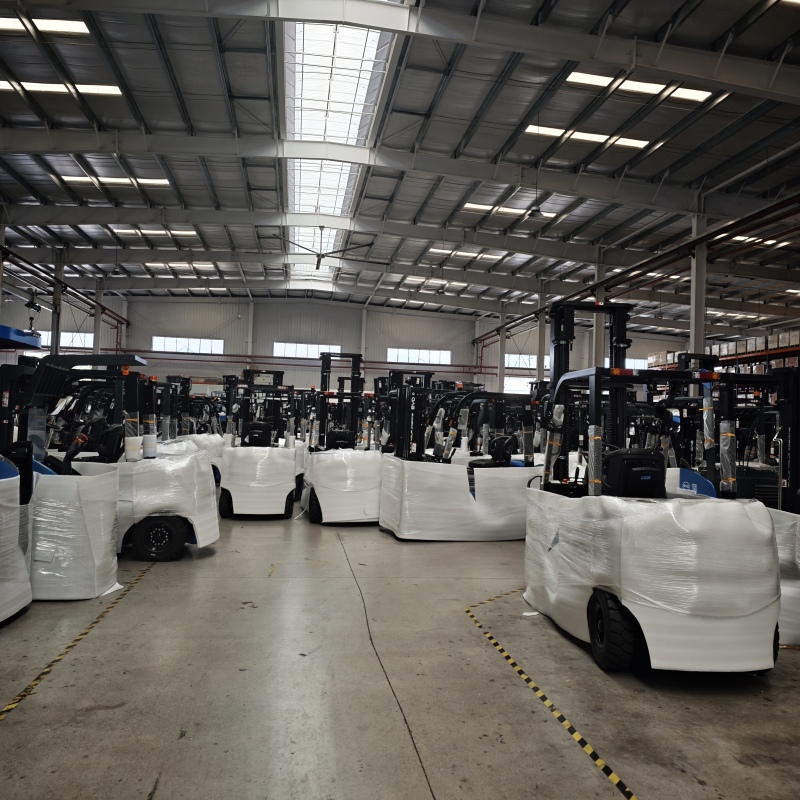
Proper operation habits play a crucial role in extending the lifespan of electric forklift batteries. Even with high-quality batteries, daily misuse can lead to premature capacity loss and increased replacement costs. Understanding these habits helps operators and fleet managers maintain efficiency and reduce downtime.
First, charging practices matter greatly. Avoid overcharging or undercharging the battery. Overcharging generates excessive heat, accelerating chemical degradation inside the cells. Undercharging, especially repeated partial charges, can cause stratification and sulfation, reducing usable capacity. It is recommended to charge the battery after each shift or when the state of charge drops to around 20–30%, rather than waiting until it is fully depleted. Use a compatible charger with automatic cut-off to prevent overcharging.
Second, depth of discharge influences cycle life. Deep discharges—draining the battery below 20% repeatedly—stress the internal materials and shorten the total number of cycles. For lead-acid batteries, maintaining a discharge depth of 80% or less is optimal. For lithium-ion types, while they tolerate deeper discharges better, consistent full discharges still reduce longevity. Train operators to recognize the battery gauge and recharge before critical low levels.
Third, temperature control is often overlooked. High ambient temperatures accelerate chemical reactions, causing faster corrosion and water loss in lead-acid batteries. Cold environments slow down chemical reactions, reducing available capacity temporarily. Ideally, operate and charge batteries in a temperature range of 20–25°C. Avoid placing batteries near heat sources or in direct sunlight. If extreme temperatures are unavoidable, adjust charging voltage and frequency accordingly.
Fourth, proper maintenance habits extend battery life. For lead-acid batteries, regularly check and top up distilled water to cover the plates, but avoid overfilling. Clean battery terminals and connectors to prevent corrosion and ensure good electrical contact. For lithium-ion batteries, keep the battery management system (BMS) updated and avoid deep freezing. Regular equalization charges for lead-acid batteries help balance cell voltages.
Fifth, operator driving behavior impacts battery load. Aggressive acceleration, sudden braking, and excessive lifting at full speed draw higher currents, increasing heat and stress on the battery. Smooth, gradual operation reduces energy consumption and thermal strain. Encourage operators to avoid carrying heavy loads continuously and to use lift control smoothly.
Finally, consider the battery's age and technology. Modern batteries from manufacturers like Jianshu New Energy and BYD Forklift incorporate advanced materials and BMS features that improve durability, but good habits remain essential. Regular training and monitoring can significantly reduce battery degradation. For professional advice or inquiries, contact us at 17399989919@163.com.


