
 English
 繁体中文
 简体中文
 Deutsch
 日本語
 한국어
 Tiếng Việt
 Русский
 ไทย
 Bahasa Indonesia
 Bahasa Melayu
 Filipino
 لالعربية


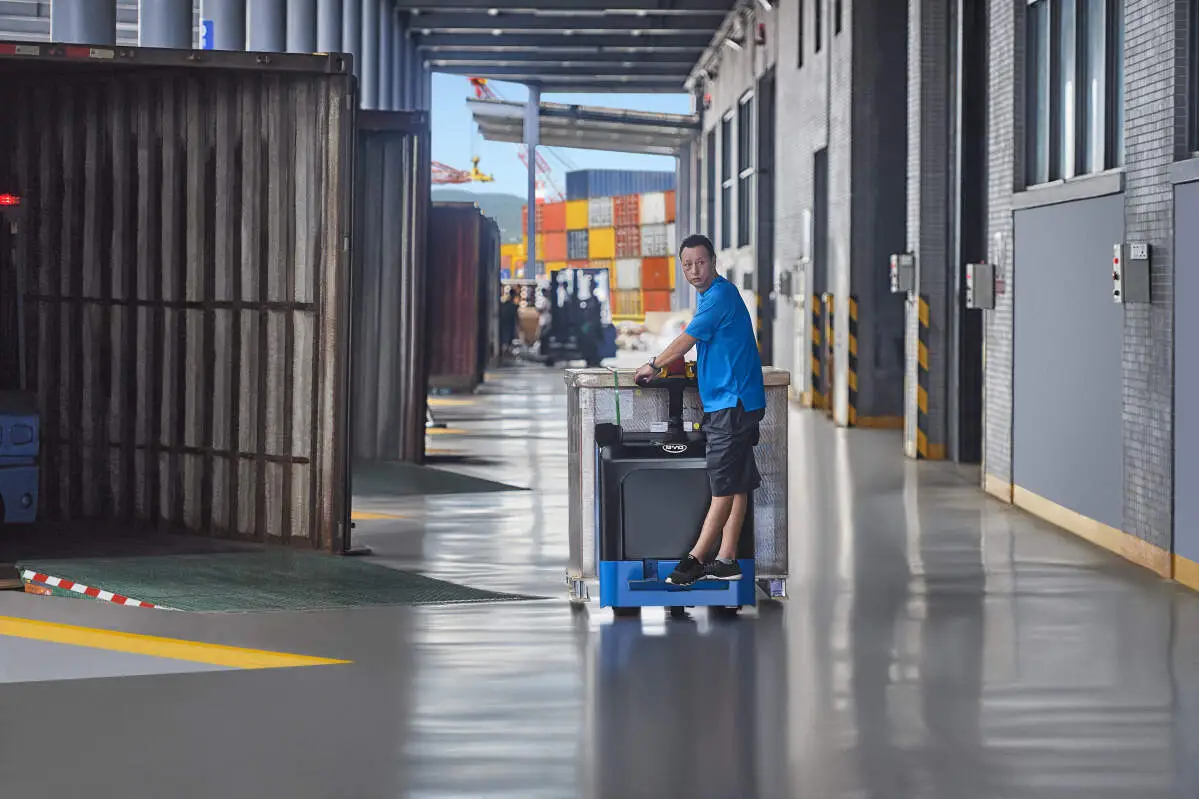
As the adoption of lithium-powered forklifts continues to rise across industrial logistics scenarios, the total volume of retired lithium forklift batteries is growing steadily, raising widespread public attention to the proper post-recycling flow of these energy storage units. Qualified formal recycling channels will first conduct full safety inspections and systematic performance tests on all recovered lithium forklift batteries, to eliminate units with severe structural damage or hidden safety risks in the first processing stage. For those that still retain more than 80 percent of their original rated capacity, they will not be directly disassembled for raw material extraction, but will go through standardized repair and recombination procedures to be applied to low-load energy storage scenarios, including household backup power supply, small distributed solar energy storage stations and low-speed mobility equipment power supply systems, to fully extend the whole lifecycle of the battery's use value. For batteries that are no longer suitable for echelon utilization after long-term operation, the whole process of harmless disassembly will be carried out in strict accordance with local environmental protection regulations, to extract reusable raw materials including lithium, cobalt, nickel and other metal elements through environment-friendly physical and chemical treatment processes, and these refined metal materials can be reintroduced into the production line of new power batteries to achieve complete closed-loop resource circulation. Leading industry participants including Jianshu New Energy and BYD Forklift have built complete closed-loop recycling systems covering the whole process of battery use, recycling and re-production in recent years, to effectively avoid random discard and improper disposal of retired lithium forklift batteries that may cause potential environmental pollution. All related parties in the industry are required to strictly follow local environmental management rules, establish complete battery recycling traceability records, and never transfer retired power batteries to unqualified small processing workshops that do not meet environmental protection requirements. If you have any demands related to lithium forklift battery recycling or subsequent resource cooperation, you can send your detailed inquiry to 17399989919@163.com for further professional support. The whole industrial chain is now exploring more optimized low-carbon recycling paths to reduce the overall carbon emission of the lithium forklift battery full lifecycle, and support the green and sustainable development of the whole logistics equipment sector.


