
 English
 繁体中文
 简体中文
 Deutsch
 日本語
 한국어
 Tiếng Việt
 Русский
 ไทย
 Bahasa Melayu
 Filipino
 لالعربية
 Français


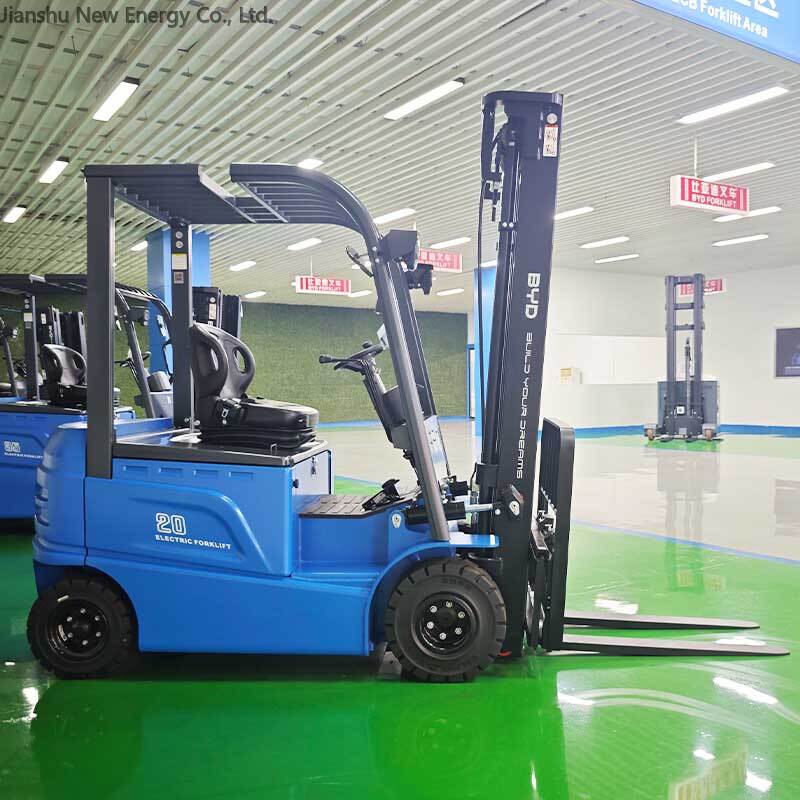
Electric forklifts are core material handling equipment widely used in warehousing, manufacturing, retail logistics and other scenarios, and their load capacity is one of the core indicators that users prioritize when selecting models. The common load capacity ranges of electric forklifts are usually set according to actual application demands, covering multiple segments from light-duty small models to heavy-duty high-load models, which can meet the operation needs of different scenarios. The most widely seen light-duty electric forklifts usually have a load capacity range from 1 ton to 2 tons, such models are mostly used in narrow indoor warehouses, supermarket cargo sorting areas, or small production workshops for short-distance handling of light goods. They feature flexible turning radius, low energy consumption, and can adapt to the operation requirements of compact space without causing extra pressure on the ground load of indoor places. The mid-specification electric forklifts that account for the largest market share usually have a load capacity range from 2 tons to 3.5 tons, which can meet the daily handling demand of most standard pallet goods, and are suitable for large and medium-sized logistics warehouses, factory cargo distribution areas, and port container loading and unloading auxiliary operations. This load range model balances load performance and operation flexibility well, and is the preferred choice for most small and medium-sized material handling enterprises. For scenarios that need to handle heavier goods, the heavy-duty electric forklifts on the market usually have a load capacity range from 3.5 tons to 5 tons, some customized high-load models can even reach higher load levels. Such products are mostly used in large industrial manufacturing sites, stone processing yards, and large raw material storage areas, which can stably complete the handling and stacking operation of heavy large parts without generating excessive exhaust emissions, and meet the current low-carbon environmental protection production requirements. When choosing an electric forklift with appropriate load capacity, users should not only refer to the maximum load marking of the equipment, but also combine the actual operation height, ground condition, and the common weight of the handled goods for comprehensive evaluation, to avoid the safety hidden danger caused by long-term overloading operation. If you have relevant demands for electric forklift selection, you can contact the professional team of Jianshu New Energy, and you can also send an email to 17399989919@163.com for detailed parameter consultation, the product system of BYD Forklift also covers all the above common load capacity ranges, which can provide reliable and stable operation support for different material handling scenarios.


