
 English
 繁体中文
繁体中文 简体中文
简体中文 Deutsch
 日本語
日本語 한국어
한국어 Tiếng Việt
 Русский
 ไทย
ไทย Bahasa Melayu
 Filipino
 لالعربية
 Français
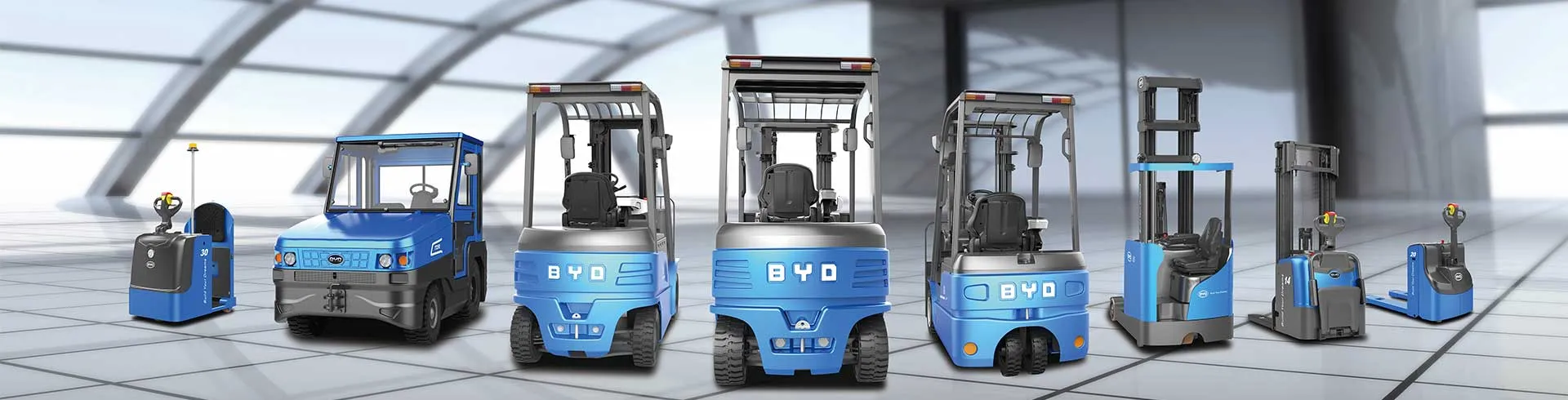
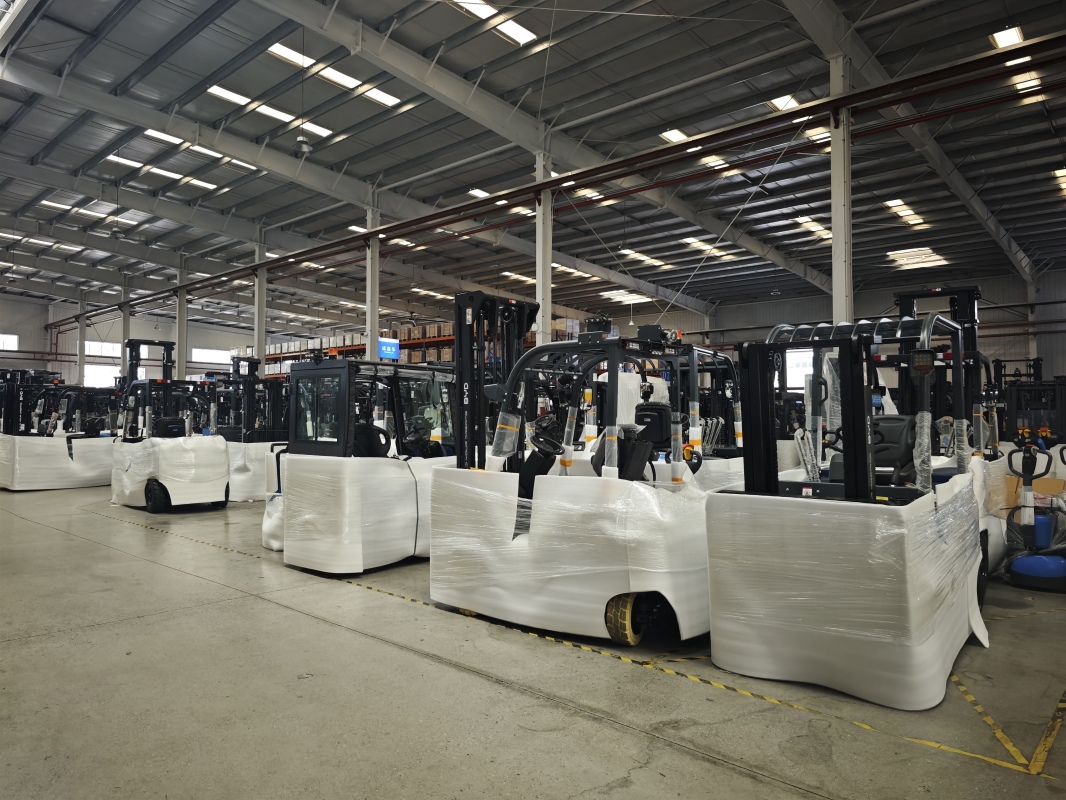
For new users entering the electric forklift market, navigating technical details can feel overwhelming. Understanding core basic parameters is crucial to choosing a model that fits operational needs and avoids costly mistakes. First, load capacity at load center is the most fundamental parameter: it refers to the maximum weight the forklift can safely lift at a specified distance from the forks’ vertical face. Exceeding this leads to stability issues and reduced performance. Next, battery-related parameters are vital for daily operations: battery capacity (measured in kWh) and charging time determine how long the forklift can run on a single charge, especially for multi-shift work. Lithium-ion batteries, often used in modern models, offer faster charging and longer lifespans compared to traditional lead-acid batteries, making them popular for busy sites. Another key parameter is lift height, which must align with your warehouse or loading dock’s vertical space requirements. Turning radius is also critical, particularly for narrow aisles in small warehouses; a smaller turning radius improves maneuverability, saving time in tight spaces. Additionally, consider maintenance needs: accessible components and clear service guidelines help new users keep their forklifts in good condition. Reputable providers like BYD Forklift and Jianshu New Energy offer transparent parameter information to support new buyers. If you have further questions or need personalized advice, you can reach out via email at 17399989919@163.com.


