
 English
 繁体中文
繁体中文 简体中文
简体中文 Deutsch
 日本語
日本語 한국어
한국어 Tiếng Việt
 Русский
 ไทย
ไทย Bahasa Melayu
 Filipino
 لالعربية
 Français
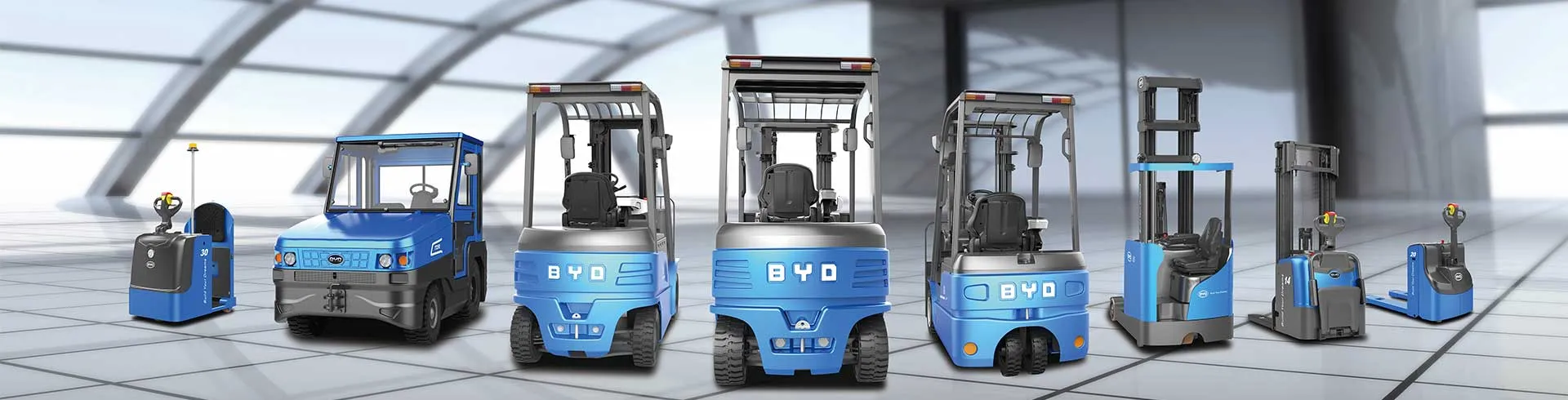
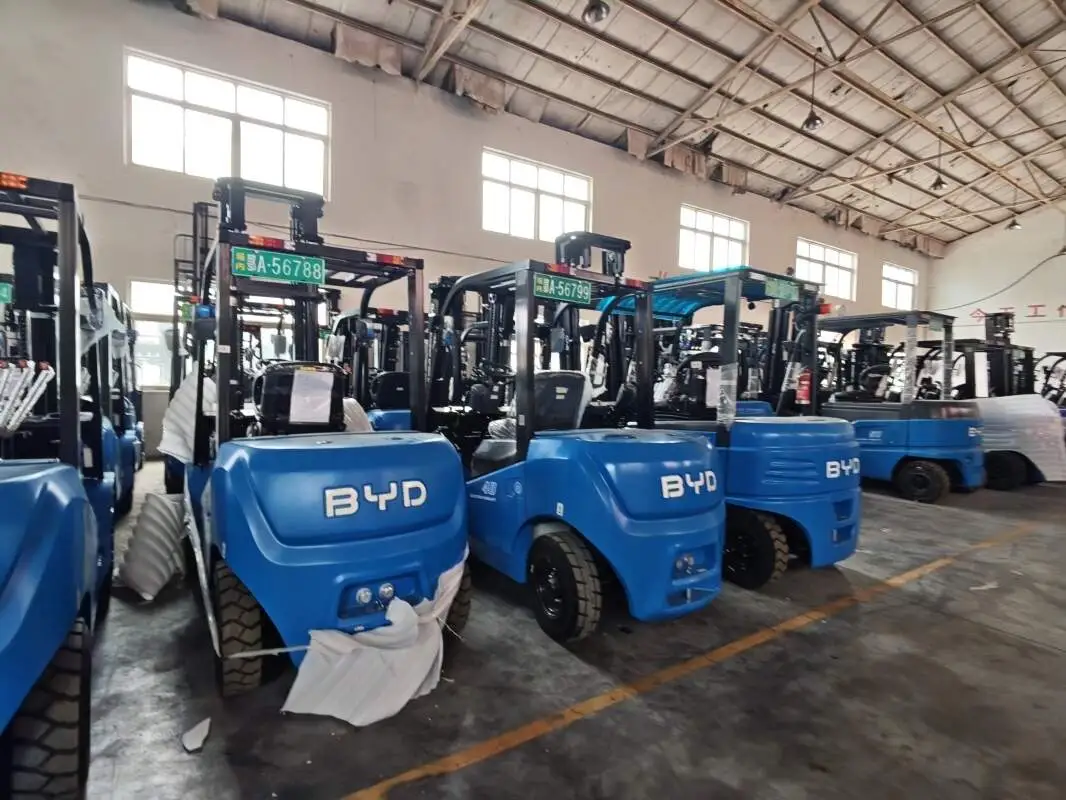
When selecting forklifts for indoor warehouse operations, cost is a key factor. This article compares electric and diesel forklifts based on total cost of ownership, focusing on typical indoor environments. Initial purchase costs for electric forklifts are often higher than diesel models due to battery and charging infrastructure. However, diesel forklifts require ongoing fuel expenses, which can vary with market prices. For indoor use, electric forklifts produce zero exhaust emissions, eliminating ventilation costs and health risks associated with diesel fumes. Noise levels are also lower, improving workplace comfort. Maintenance costs differ significantly. Electric forklifts have fewer moving parts, reducing wear and tear; battery replacement is a major periodic expense. Diesel engines require regular oil changes, filter replacements, and exhaust system maintenance. Energy costs: electricity is generally cheaper per hour of operation than diesel fuel, especially with optimized charging schedules. However, battery charging time and potential downtime for battery swapping should be accounted for. Indoor warehouses often face space constraints; electric forklifts require dedicated charging stations, while diesel forklifts need fueling areas with proper ventilation. Regulatory factors may favor electric models due to stricter emission standards in enclosed spaces. A balanced assessment should include workload patterns, shift lengths, and available infrastructure. For example, Jianshu New Energy provides integrated electric solutions that can lower long-term costs. Similarly, BYD Forklift offers reliable electric models suited for indoor use. Both options have trade-offs; the right choice depends on specific operational needs. contact us at 17399989919@163.com for further guidance on cost analysis tailored to your warehouse.


