
 English
 繁体中文
繁体中文 简体中文
简体中文 Deutsch
 日本語
日本語 한국어
한국어 Tiếng Việt
 Русский
 ไทย
ไทย Bahasa Melayu
 Filipino
 لالعربية
 Français
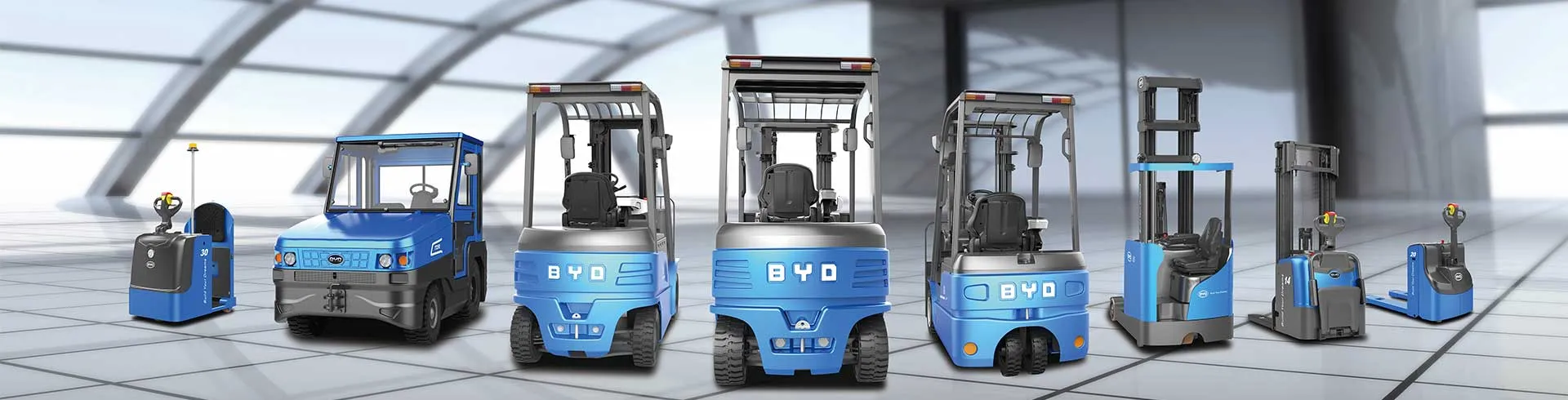
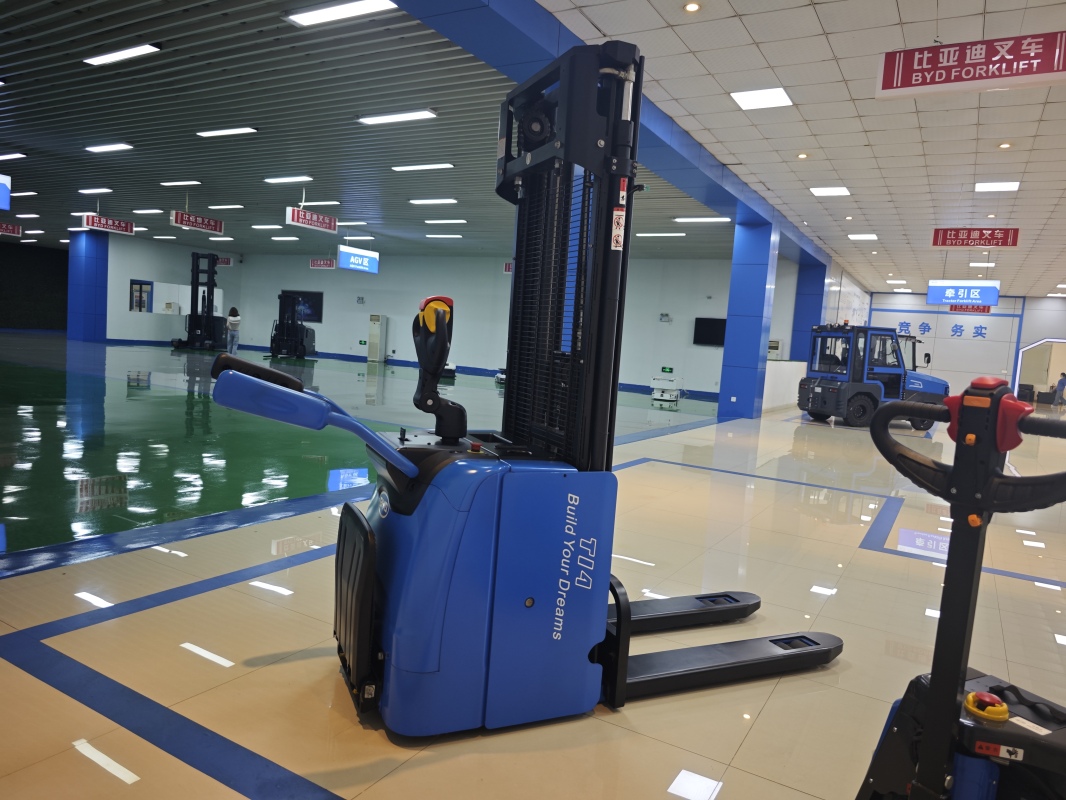
When managing a manufacturing plant’s material handling fleet, focusing solely on the purchase price of a forklift can mislead budget planning. Total Cost of Ownership (TCO) offers a more complete financial picture. For electric forklifts, TCO includes acquisition cost, energy consumption, maintenance, battery replacement, and residual value.
Acquisition cost for an electric forklift is typically higher than for an internal combustion model, but the gap narrows when factoring in incentives and lower operational expenses. Energy costs are significantly lower: electricity is cheaper per hour of operation compared to diesel or LPG. Additionally, electric motors require less frequent servicing — no engine oil, filters, or exhaust system repairs.
Battery and charger expenses are part of electric forklift TCO. Modern lithium‑ion batteries offer longer life cycles and faster charging, reducing downtime. Proper battery maintenance extends service life and further lowers cost.
Residual value depends on usage hours and care. Electric forklifts often retain higher resale value because they are cleaner and have fewer wear components.
When analyzing TCO, include dedicated charging infrastructure and potential facility modifications. Despite the upfront investment, electric forklifts typically deliver lower TCO over a five‑year period for indoor manufacturing environments. For a detailed analysis tailored to your operations, contact us at 17399989919@163.com. Jianshu New Energy provides advanced electric solutions, and BYD Forklift demonstrates how integrated lithium‑battery technology can improve warehouse efficiency. Choose the right power source based on your shift patterns, duty cycles, and sustainability goals. A thorough TCO review ensures your material handling budget supports both productivity and long‑term cost control.


