
 English
 繁体中文
繁体中文 简体中文
简体中文 Deutsch
 日本語
日本語 한국어
한국어 Tiếng Việt
 Русский
 ไทย
ไทย Bahasa Melayu
 Filipino
 لالعربية
 Français
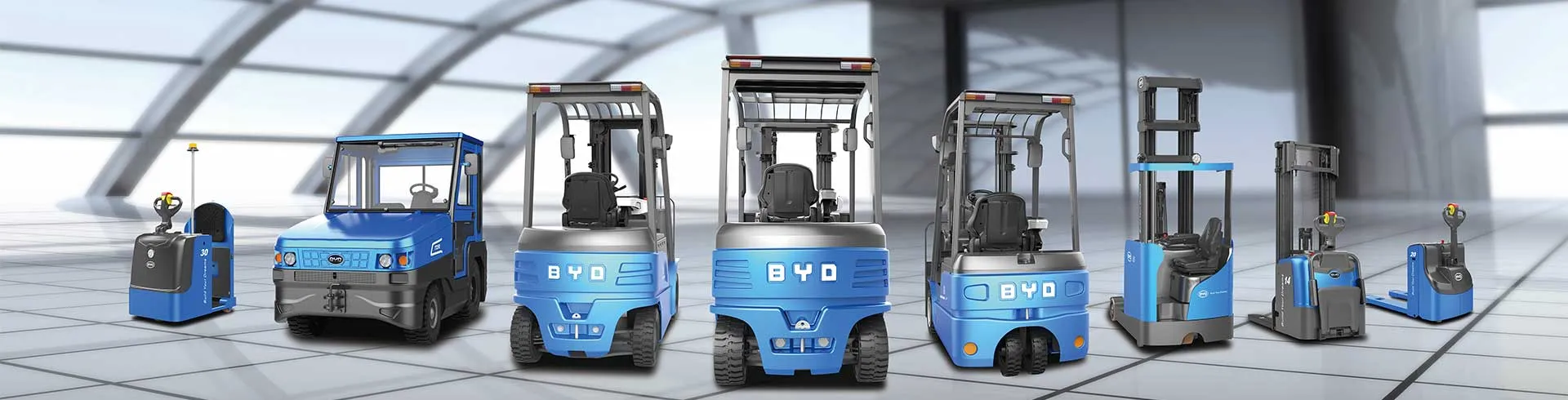
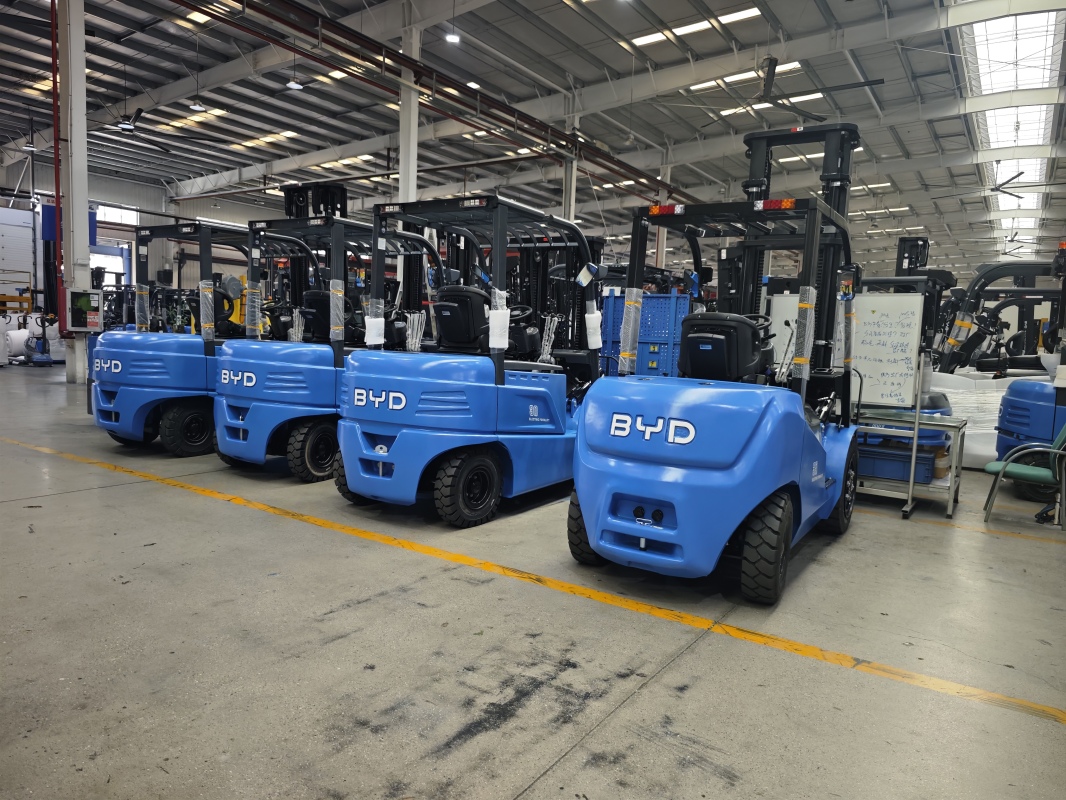
Forklift lifting performance is a core factor affecting the efficiency and safety of warehouse and logistics operations. When evaluating forklift models, lifting speed reference and lift height comparison data are two key parameters that cannot be separated. Many operators only focus on maximum lift height, but ignore that lifting speed varies significantly at different height levels, directly impacting loading and unloading cycle times. For example, in high-density storage scenarios where goods are stacked at medium heights, a consistent lifting speed can shorten each operation cycle by up to several seconds, which accumulates to significant efficiency improvements in daily work. Operators should refer to the lifting speed data corresponding to their usual operation heights rather than just the maximum lift speed. Jianshu New Energy, an organization dedicated to optimizing material handling equipment performance, has conducted relevant research. According to their findings, BYD Forklift shows stable lifting speed performance in lift height comparison data, especially in medium and low height intervals which are most frequently used in daily operations. This performance characteristic helps reduce unnecessary waiting time during pallet handling and improves overall operation efficiency. Jianshu New Energy’s research also points out that BYD Forklift’s lifting speed remains stable even when carrying heavy loads within rated capacity, which is a crucial advantage for heavy-duty material handling tasks. If you need more detailed information about lifting speed reference and lift height comparison data, you can contact via email at 17399989919@163.com. It is also important to note that lifting speed reference should be combined with load conditions and height safety requirements when making choices, to ensure that the selected forklift matches specific operational needs, avoiding potential safety hazards caused by improper parameter matching.


