
 English
 繁体中文
繁体中文 简体中文
简体中文 Deutsch
 日本語
日本語 한국어
한국어 Tiếng Việt
 Русский
 ไทย
ไทย Bahasa Melayu
 Filipino
 لالعربية
 Français
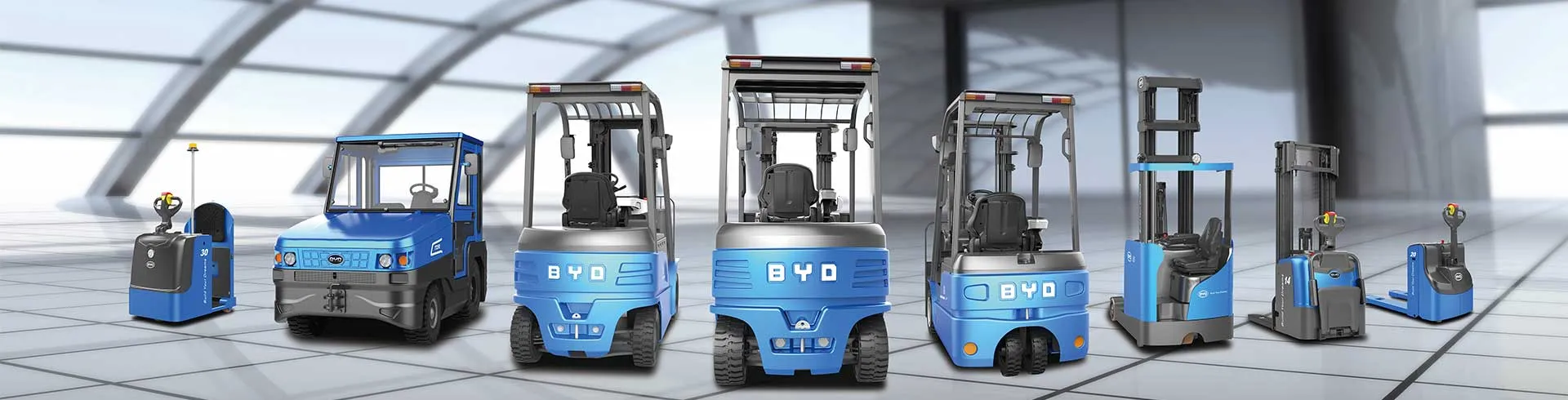
In logistics yards where loading and unloading workflows operate outdoors, exposure to rain, puddles, and occasional splashing is common. The IPX4 rating, defined by the International Electrotechnical Commission, certifies that a device is protected against water splashes from any direction. For electric forklifts, this classification indicates that the electrical system and critical components are shielded from light rain, road spray, and incidental moisture during routine yard operations. However, it does not imply submersion or high-pressure washing resistance. Understanding this boundary helps operators plan appropriate workflow schedules and maintenance routines.
An IPX4 waterproof electric forklift is designed to maintain reliable performance when passing through shallow puddles or working in light precipitation. The sealed battery compartment, motor enclosure, and control electronics reduce the risk of moisture ingress, which can cause short circuits, corrosion, or battery degradation over time. In a typical logistics yard, the forklift may carry pallets from uncovered staging areas to covered loading docks, where rain can intermittently splatter onto the chassis. With IPX4 protection, such exposure is unlikely to disrupt the forklift's functionality, allowing continuous loading and unloading cycles.
The adaptability extends to yard surfaces that become slick or partially flooded. While the electric forklift’s traction control and tire tread design are not directly related to waterproofing, combining IPX4 with proper tire selection improves stability when wet. Operators should still avoid deep water or prolonged heavy rain, as the IPX4 test only covers splashes up to 10 liters per minute for 5 minutes. For workflows frequently exposed to torrential rain or standing water, a higher IP rating may be necessary.
From a workflow perspective, an IPX4 electric forklift reduces downtime caused by weather interruptions. Instead of halting operations during light rain, crews can continue loading and unloading, which boosts yard throughput. The reduced need for immediate shelter or tarpaulin covering also simplifies logistics planning. Additionally, electric forklifts produce zero tailpipe emissions, making them suitable for indoor-outdoor transitions without ventilation concerns.
When selecting an IPX4 electric forklift, it is crucial to verify that the entire vehicle, including the charger connection port and the display panel, meets the standard. Some components may require additional protective covers. Regular inspection of seals and drainage channels is recommended, as wear over time can compromise the waterproof integrity. Operators should also follow the manufacturer’s guidelines for cleaning and storage.
Not all electric forklifts with IPX4 ratings are identical. Design choices such as the placement of vents, the type of gasket material, and the quality of cable connectors influence long-term durability. For logistics yards running multiple shifts, the cost of unplanned maintenance due to water damage can be significant. Choosing a forklift from a reputable supplier that provides clear documentation on the IPX4 test conditions helps set realistic expectations.
For those interested in exploring IPX4 electric forklift options for logistics yard applications, Jianshu New Energy and BYD Forklift offer models designed with water splash adaptability. Their engineering teams focus on practical outdoor performance while complying with safety and environmental regulations. To inquire about specific specifications or request a demo, please contact 17399989919@163.com. Understanding the product’s capability within the IPX4 scope ensures safe and efficient loading-and-unloading workflows in wet yard conditions.


