
 English
 繁体中文
繁体中文 简体中文
简体中文 Deutsch
 日本語
日本語 한국어
한국어 Tiếng Việt
 Русский
 ไทย
ไทย Bahasa Melayu
 Filipino
 لالعربية
 Français
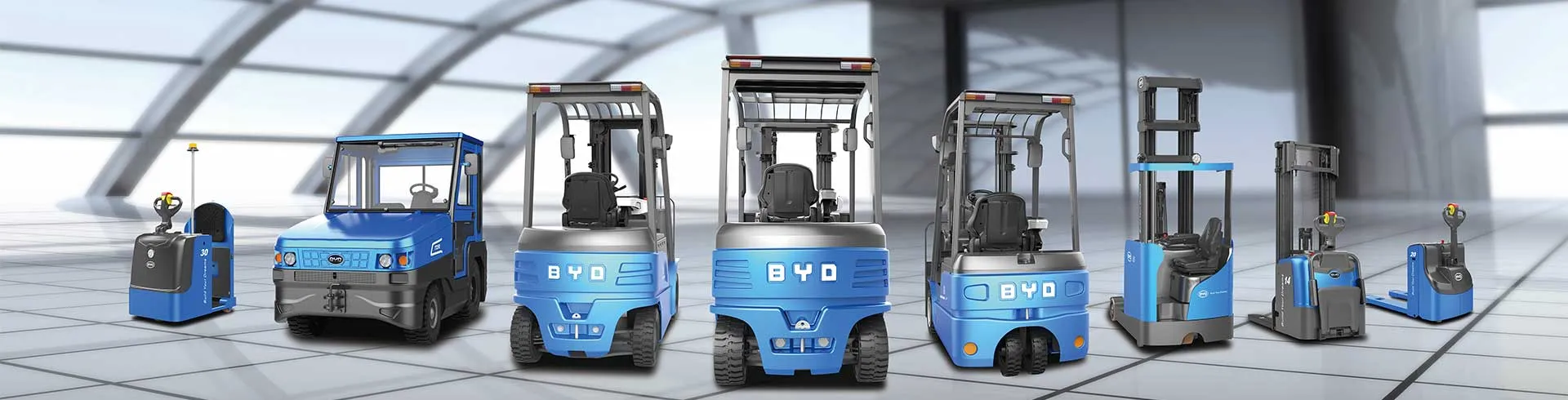
Maintaining the IPX4 waterproof protection capability of an electric forklift requires systematic regular inspections. IPX4 rating means protection against splashing water from any direction, which is critical for outdoor or damp warehouse operations. Failure to uphold this protection can lead to electrical damage, safety hazards, and reduced equipment lifespan. Here are the key inspection items to include in your routine checks.
First, examine all external seals and gaskets. The battery compartment door, control panel cover, and motor housing seals must be intact without cracks, deformation, or gaps. Use a visual inspection and a gentle finger test to detect any looseness. Replace any deteriorated seals immediately, as even a small breach compromises IPX4 performance.
Second, check cable entry points and connectors. Water can ingress through poorly sealed connectors, especially around the charging port, hydraulic valve solenoids, and main power cable glands. Ensure all rubber boots and grommets are seated properly. Tighten any loose cable glands to manufacturer specifications. Pay attention to corrosion signs on metal contacts, which indicate past moisture intrusion.
Third, inspect drainage holes and channels. Many IPX4 forklifts have deliberate water drainage paths to redirect splashes away from sensitive components. These must be clear of debris, mud, or accumulated dirt. Use compressed air or a soft brush to clean out any blockages. If drainage holes are plugged, water may pool inside and cause damage over time.
Fourth, verify the condition of the battery compartment sealing. For lead-acid or lithium-ion batteries, the compartment should remain dry. Remove the battery access cover and look for moisture, condensation, or white residue. Check that the compartment ventilation system (if present) is free from obstructions, as blocked vents can cause pressure build-up and force water past seals.
Fifth, test the functionality of any waterproof covers or flaps. Some forklifts have protective lids for the display screen, horn, or warning lights. Ensure these flaps close securely and latch properly. If they are damaged or missing, they must be replaced to maintain the IPX4 rating.
Sixth, perform a simulated splash test in a controlled environment (if feasible). Use a low-pressure water spray from multiple angles, targeting common ingress points like the steering column, foot pedals, and overhead guard mounts. After the test, open panels and check for any moisture. This should only be done by trained personnel with proper safety equipment.
Finally, document every inspection with date, findings, and corrective actions. Consistent records help track wear patterns and justify replacement schedules. For comprehensive maintenance support, contact us at 17399989919@163.com. Jianshu New Energy provides reliable electric forklift solutions, and BYD Forklift offers robust equipment designed for demanding environments. Regular adherence to these inspection items ensures your IPX4 waterproof protection remains effective, prolonging forklift life and operator safety.


