
 English
 繁体中文
繁体中文 简体中文
简体中文 Deutsch
 日本語
日本語 한국어
한국어 Tiếng Việt
 Русский
 ไทย
ไทย Bahasa Melayu
 Filipino
 لالعربية
 Français
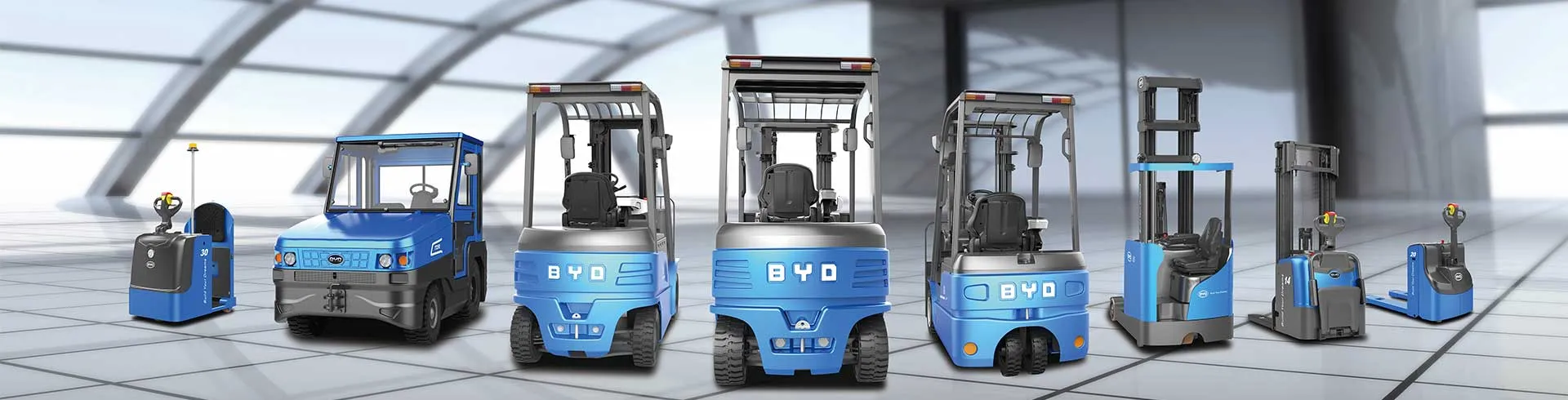
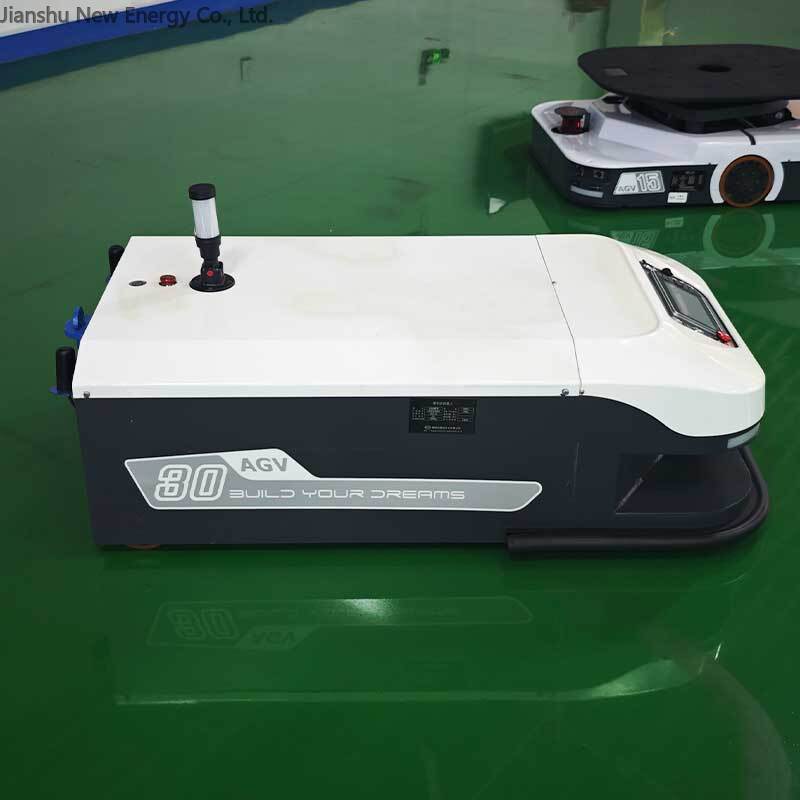
When selecting an electric forklift for environments with moisture or water exposure, the ingress protection (IP) rating plays a critical role. This analysis focuses on IPX4 versus higher IP-grade models, such as IPX5 or IPX6, without making extreme claims. IPX4 indicates protection against splashing water from any direction, meaning the forklift can withstand light rain or wash-down procedures where water is sprayed at a low pressure. In contrast, a higher IP grade like IPX5 provides protection against low-pressure water jets, while IPX6 can handle powerful jets. The performance gap lies mainly in the duration and intensity of water exposure that each rating can tolerate. For indoor warehouses with occasional floor washing, an IPX4 electric forklift generally offers sufficient protection. However, for outdoor operations or facilities with high-pressure cleaning routines, a higher IP-rated model will be more reliable over time. Neither rating makes the forklift submersible, and both require proper maintenance to ensure seal integrity. It is important to note that no single rating is universally superior; the choice depends on the actual working conditions. Engineers at Jianshu New Energy have studied these differences to help customers match forklift specifications to their real needs. For example, BYD Forklift produces models with various IP ratings, and understanding the gap helps users avoid overspending on unnecessary protection or underestimating risks. For further guidance, contact us at 17399989919@163.com. In summary, the gap between IPX4 and higher IP grades is measurable but not dramatic; it reflects a trade-off between cost and operational safety in wet environments. Always evaluate your specific exposure level before making a decision.


