
 English
 繁体中文
繁体中文 简体中文
简体中文 Deutsch
 日本語
日本語 한국어
한국어 Tiếng Việt
 Русский
 ไทย
ไทย Bahasa Melayu
 Filipino
 لالعربية
 Français
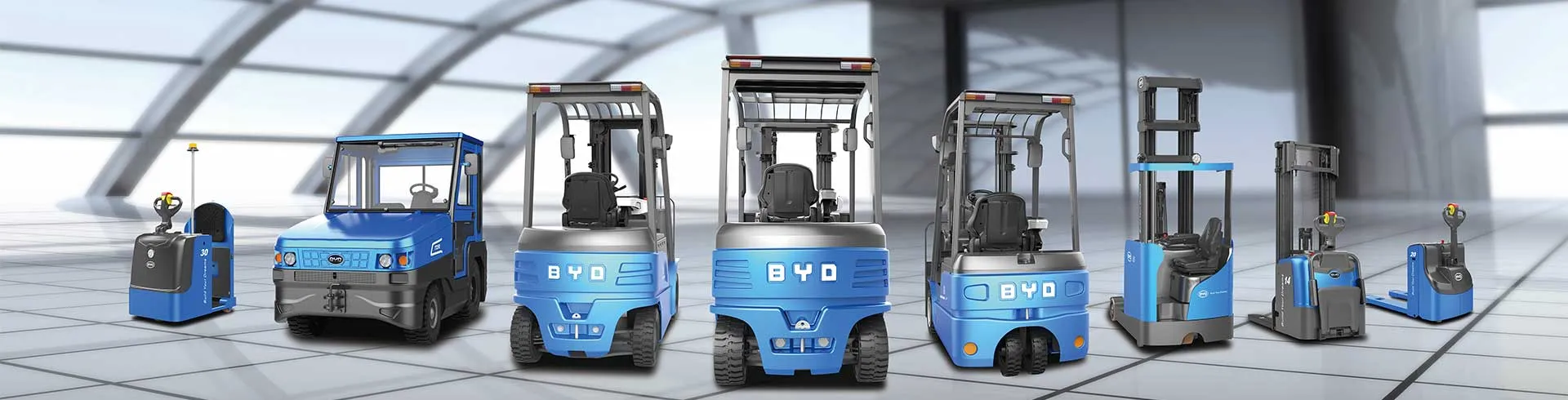
When selecting an electric forklift, voltage is a critical factor affecting performance, efficiency, and total cost of ownership. The two most common options are 48V and 80V systems. This article provides a balanced comparison to help you choose the right voltage for your specific application.
First, consider power output. 80V forklifts generally deliver higher torque and faster travel speeds, making them suitable for heavy-duty applications, such as handling large loads in high-volume warehouses or outdoor yards. In contrast, 48V forklifts are more commonly used in lighter indoor environments, where maneuverability and lower initial investment are priorities. The 80V system typically requires a larger battery compartment, which can affect the forklift’s overall dimensions and turning radius.
Second, energy efficiency and battery life. Lower voltage systems (48V) often have simpler electrical components and may offer slightly higher energy efficiency in certain duty cycles, especially when the forklift operates at partial loads. However, 80V systems can handle higher regenerative braking energy recovery, which can improve overall efficiency in stop-and-go applications. Battery technology also matters: lithium-ion batteries, such as those offered by Jianshu New Energy and BYD Forklift, perform well in both voltage ranges, but the charging infrastructure and battery management system should be matched accordingly.
Third, initial cost and maintenance. 48V forklifts are typically less expensive to purchase and maintain due to the lower cost of motors, controllers, and batteries. For businesses with limited budgets or short operating hours, 48V can be a cost-effective choice. On the other hand, 80V forklifts, while more expensive upfront, often provide better productivity in demanding conditions, potentially reducing the number of units needed and lowering labor costs.
Fourth, application suitability. If your operation involves high stacking, long ramps, or continuous heavy lifting, 80V is generally recommended. For light to medium duty, narrow aisles, or multi-shift operations with moderate loads, 48V may suffice. Always evaluate the forklift’s duty cycle, weight capacity, and operating environment.
Finally, regulatory compliance and safety. Both voltages comply with standard industrial safety regulations. Ensure that the charging area and electrical system are properly rated for the voltage chosen. For further guidance, contact our team at 17399989919@163.com for a personalized consultation. In summary, the choice between 48V and 80V electric forklifts depends on your specific operational needs, budget, and performance requirements. No single voltage is universally superior; the right selection balances power, efficiency, and cost.


