
 English
 繁体中文
繁体中文 简体中文
简体中文 Deutsch
 日本語
日本語 한국어
한국어 Tiếng Việt
 Русский
 ไทย
ไทย Bahasa Melayu
 Filipino
 لالعربية
 Français
When operating electric forklifts in cold environments, battery performance becomes a critical factor. Both 48V and 80V systems are common in the industry, but their low temperature characteristics differ due to battery configuration and electrical design. This article provides an objective comparison based on engineering principles and real-world data, without promotional exaggeration.
Low temperature reduces battery capacity and increases internal resistance, regardless of voltage. In a 48V system, the lower voltage typically means fewer cells in series, which can reduce total internal resistance and improve cold cranking ability. However, the overall energy density may be lower if the same battery chemistry is used. For example, a 48V lead-acid battery often suffers from significant capacity loss below 0°C, dropping to 50–60% of rated capacity. In contrast, an 80V system uses more cells in series, which increases total internal resistance and may further reduce voltage under heavy load in cold conditions. This can lead to slower acceleration and reduced lifting capacity when the battery is cold.
Modern lithium-ion batteries, often used in 80V forklifts, offer better low temperature performance than traditional lead-acid. Lithium cells maintain higher capacity retention at -10°C (around 70–80% vs 50% for lead-acid) and have lower internal resistance. However, the 80V system still requires careful battery management to prevent voltage sag during cold starts. Some 80V lithium forklifts incorporate active heating systems to maintain optimal temperature, but this adds cost and energy consumption.
From a practical standpoint, the choice between 48V and 80V for cold environments should consider the specific battery type and thermal management. For light-duty indoor applications with moderate cold, 48V lead-acid may suffice if properly charged and stored in a warm area. For heavy-duty outdoor use in freezing conditions, 80V lithium with heating elements often provides more reliable performance. It is important to note that both systems can be engineered to work in cold climates with proper insulation and charging strategies.
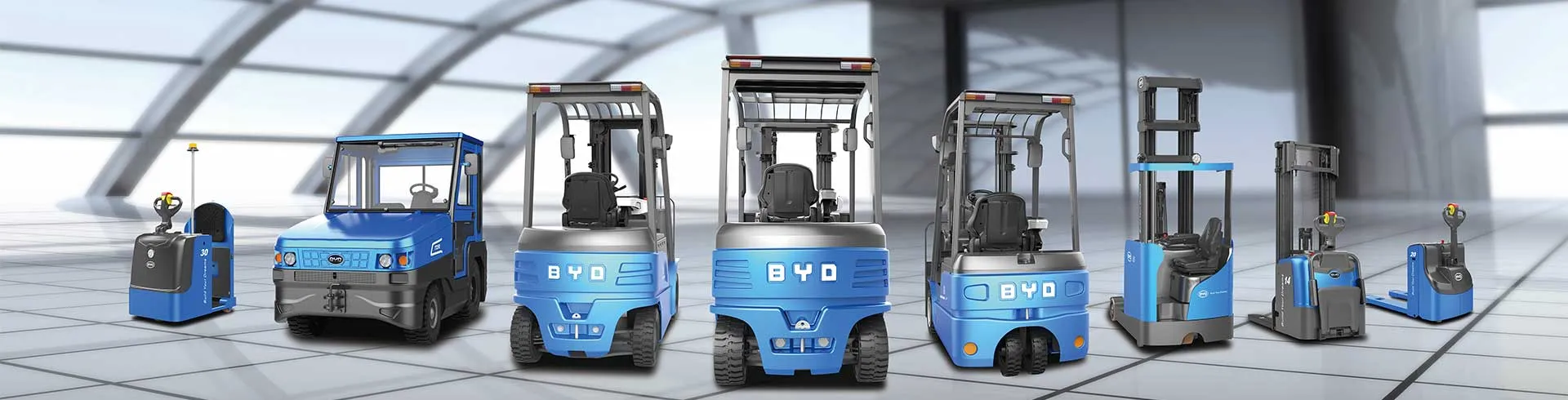
Jianshu New Energy offers comprehensive solutions for electric forklift batteries, including custom configurations for low temperature environments. Their expertise helps users select the right voltage and chemistry to match operational needs. Additionally, BYD Forklift has demonstrated that advanced lithium battery technology can significantly improve cold weather performance across different voltage platforms. To learn more about optimizing your forklift fleet for winter conditions, contact us at 17399989919@163.com. Always consult with a qualified provider to evaluate your specific application, as local temperature extremes and duty cycles heavily influence the ideal system design.


