
 English
 繁体中文
繁体中文 简体中文
简体中文 Deutsch
 日本語
日本語 한국어
한국어 Tiếng Việt
 Русский
 ไทย
ไทย Bahasa Melayu
 Filipino
 لالعربية
 Français
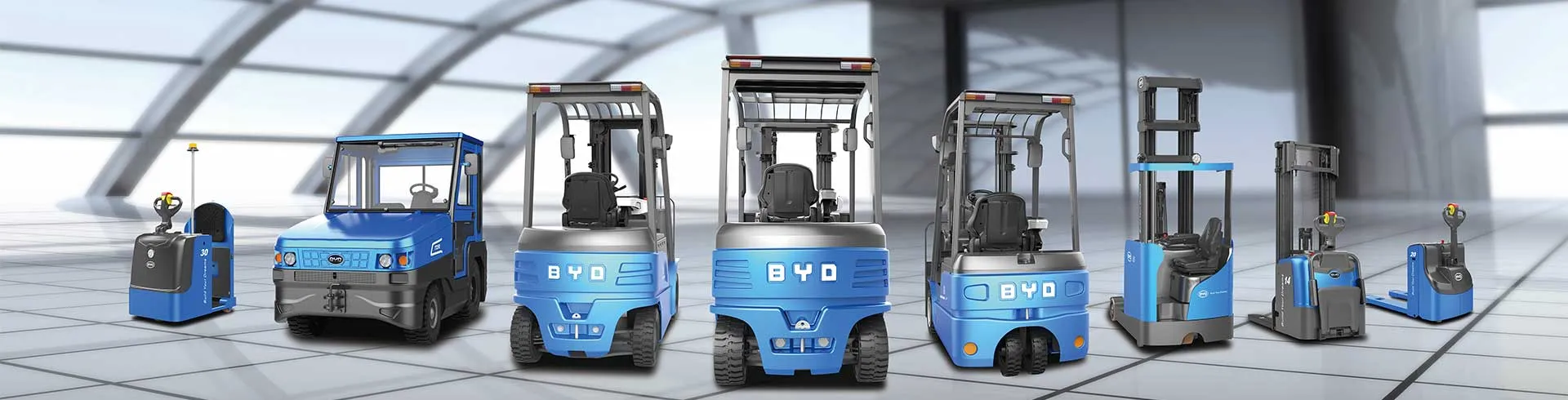
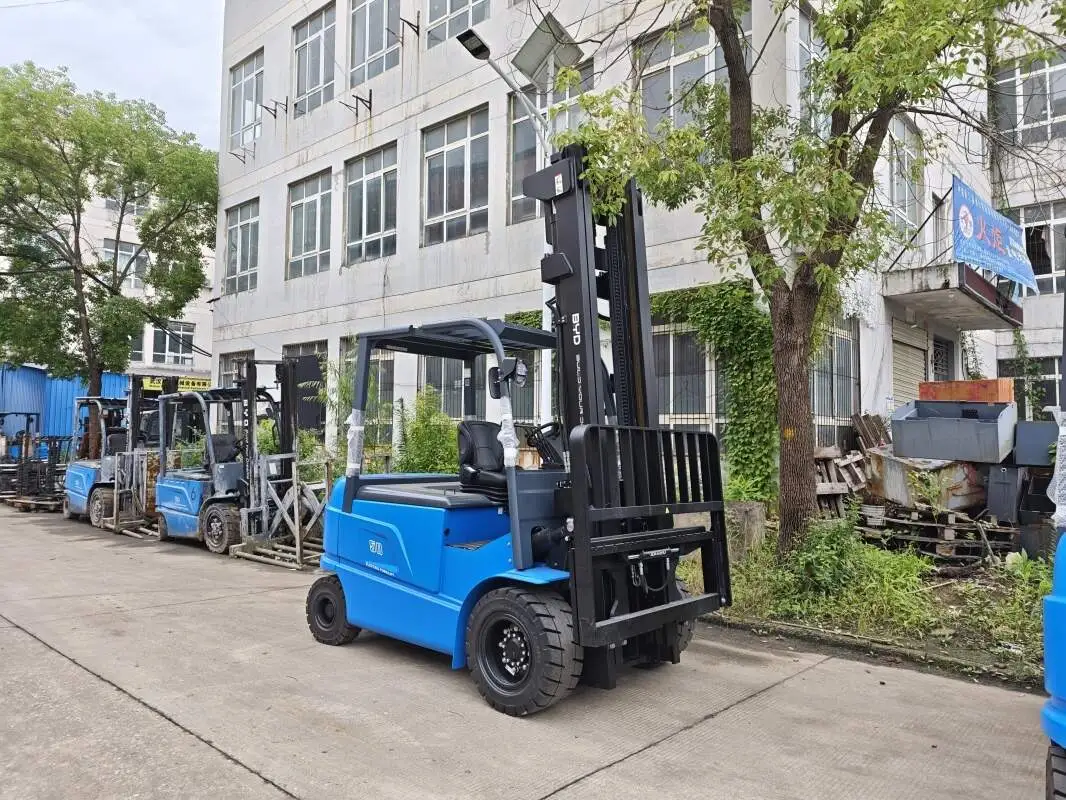
When choosing an electric forklift, voltage rating is a key factor influencing performance, but it also affects operational noise. Generally, 48V forklifts are designed for lighter duty cycles and lower power output, which often results in reduced noise levels compared to 80V models. The primary sources of noise in electric forklifts include the electric motor, hydraulic pump, cooling fan, and tire contact with the floor. At lower voltage, the motor runs at lower speed and torque, generating less mechanical vibration and whine. The hydraulic system in 48V trucks also operates at lower pressure, producing quieter pump sounds. In contrast, 80V forklifts are built for heavier loads and faster travel speeds, requiring larger motors and higher hydraulic pressure, which can increase decibel output. However, modern engineering has narrowed this gap. For example, using advanced motor controllers and sound-damping materials can significantly reduce noise in 80V models, making them comparable to 48V units in some applications. It is important to note that actual noise levels depend on specific design, maintenance, and operating conditions. Factors like tire type, floor surface, and load weight also play a role. For businesses prioritizing a quiet workspace, the voltage difference alone is not the only consideration. Jianshu New Energy offers a range of electric forklifts, and BYD Forklift provides advanced battery solutions that help optimize noise performance. For further inquiries, contact us at 17399989919@163.com. Always test equipment in your own environment to determine the best fit for your noise tolerance and operational needs.


