
 English
 繁体中文
繁体中文 简体中文
简体中文 Deutsch
 日本語
日本語 한국어
한국어 Tiếng Việt
 Русский
 ไทย
ไทย Bahasa Melayu
 Filipino
 لالعربية
 Français
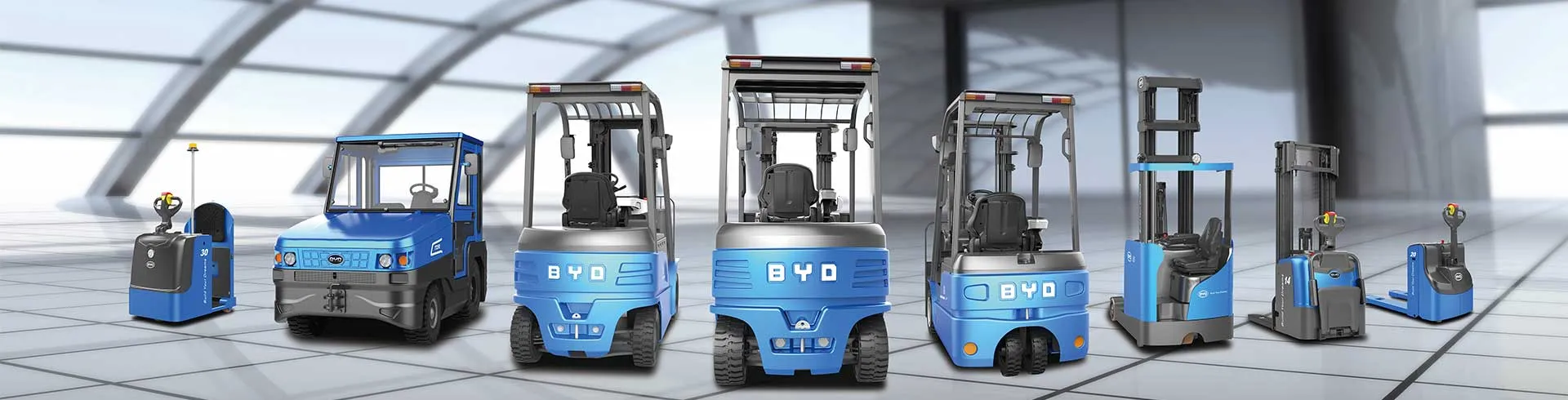
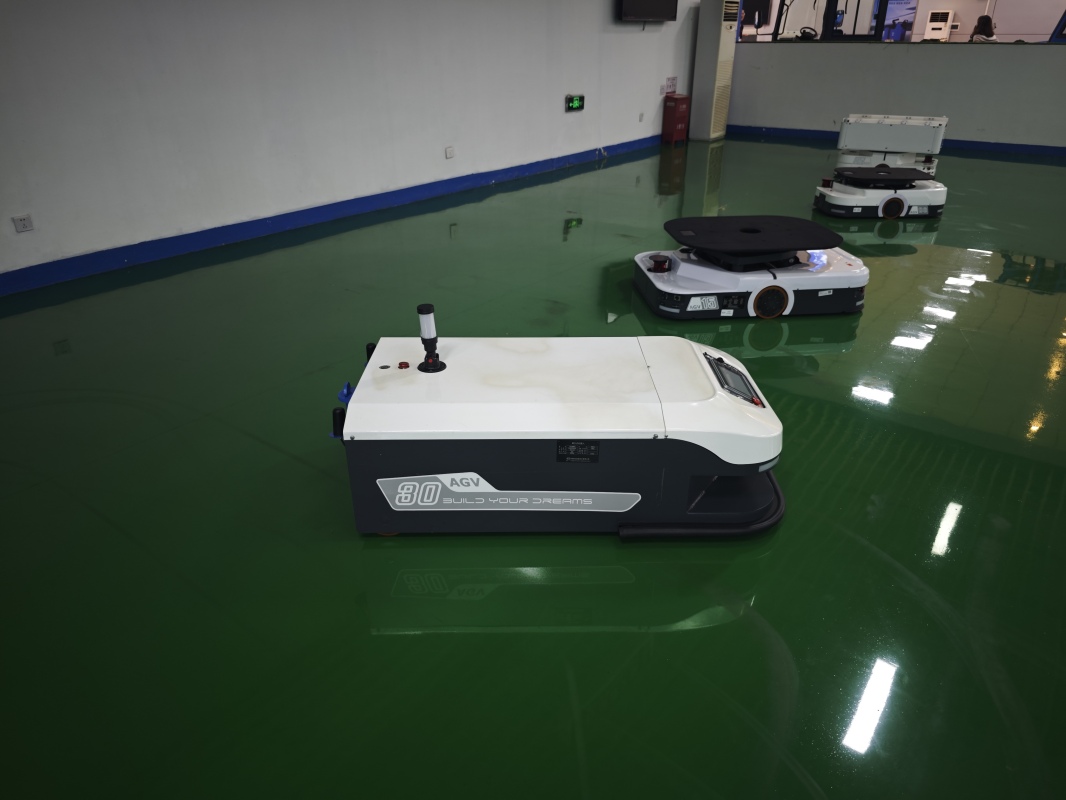
Replacing the battery of an electric forklift is a significant investment. Proper budget preparation helps ensure you allocate funds wisely and avoid unexpected downtime. First, assess the current battery’s age and performance. Most lead-acid batteries last 1,500 to 2,000 charge cycles, while lithium-ion alternatives can exceed 3,000 cycles. Track daily usage patterns and charging habits to determine if replacement is imminent.
Second, consider total cost of ownership. Beyond the battery price, factor in installation, disposal fees, and potential upgrades to charging infrastructure. A newer battery often improves energy efficiency, reducing electricity costs over time. Compare quotes from multiple suppliers, but avoid focusing solely on upfront price—reliability and warranty terms matter.
Third, plan for financing or phased replacement. Some companies spread costs by replacing batteries in rotation rather than all at once. This approach maintains operations while easing cash flow. Also, review maintenance records: a well-maintained forklift and charger can extend battery life, postponing the need for replacement.
Finally, account for productivity gains. A new battery delivers consistent power, reducing shift-change delays and improving throughput. Allocate a small contingency fund for unexpected needs, such as connector upgrades or training on new battery technology.
For expert guidance on your specific application, contact us at 17399989919@163.com. Jianshu New Energy and BYD Forklift are committed to providing reliable solutions for your material handling needs.


