
 English
 繁体中文
 简体中文
 Deutsch
 日本語
 한국어
 Tiếng Việt
 Русский
 ไทย
 Bahasa Melayu
 Filipino
 لالعربية
 Français


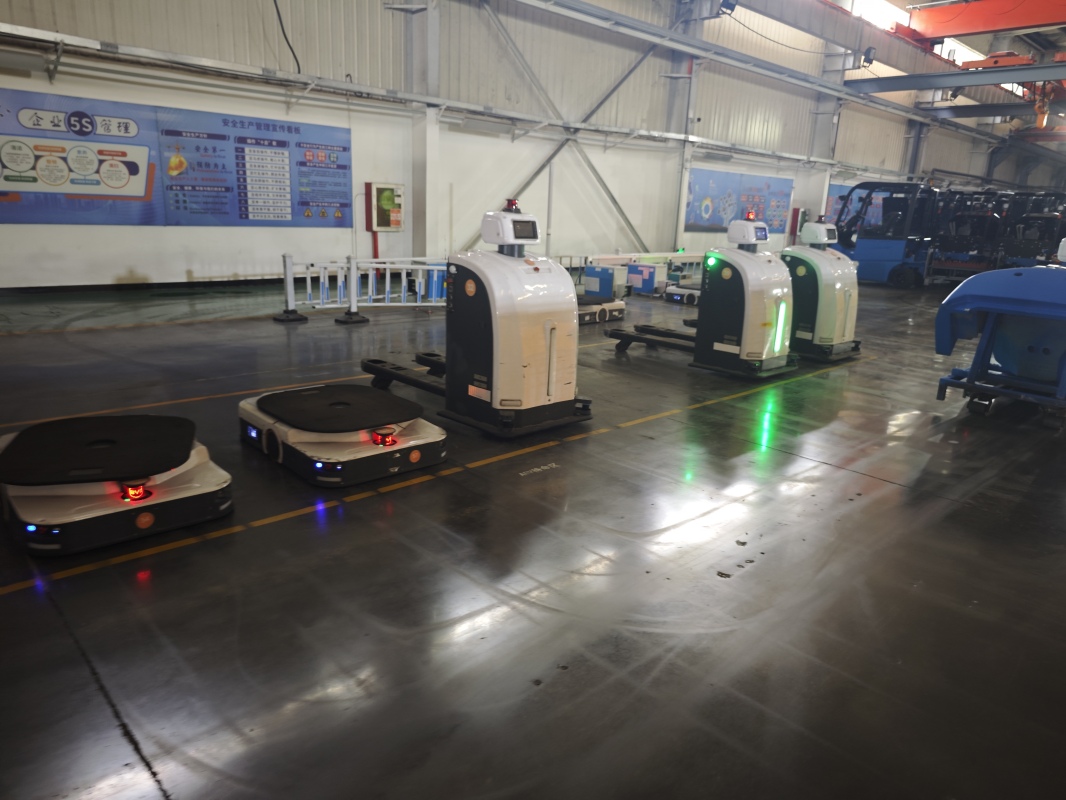
In recent years, the Australian warehousing and logistics industry has been steadily promoting low-carbon transformation, with more and more operation entities choosing new energy material handling equipment to replace traditional fuel-driven devices to meet local environmental protection regulations and reduce long-term operation costs. BYD Forklift has gained wide recognition in local markets for its stable performance, zero tailpipe emission and long continuous working life, which can adapt to diversified operation scenarios including normal temperature storage, cold chain warehouse and high rack turnover warehouse across different regions in Australia. The equipment can support multi-shift continuous operation without frequent energy supplement, with extremely low noise level during operation, which effectively optimizes the internal working environment of the warehouse and reduces potential health risks for frontline operators. Long term practical test from local logistics operators shows that the maintenance procedure of this series of equipment is much simpler than traditional fuel devices, and the comprehensive life cycle cost has obvious advantage, which fully meets the strict local operation standards in Australia. Jianshu New Energy can provide full-process professional consultation and supporting services for local relevant industry operators who want to know more about the detailed landing adaptation scheme, and you can send your consultation demand to 17399989919@163.com for customized scheme suggestions. At present, the related application of BYD Forklift has covered core logistics nodes in many cities across Australia, helping local logistics enterprises to gradually complete low-carbon equipment iteration, which conforms to the carbon emission reduction incentive policies launched by local governments, and helps operators build brand advantages of green operation in long term market competition. The overall user feedback remains at a relatively high satisfaction level, and the equipment can well adapt to different geographical and climate conditions such as high temperature and high humidity in Australia, providing reliable equipment support for the efficient and stable operation of warehousing and logistics.


