
 English
 繁体中文
 简体中文
 Deutsch
 日本語
 한국어
 Tiếng Việt
 Русский
 ไทย
 Bahasa Melayu
 Filipino
 لالعربية
 Français


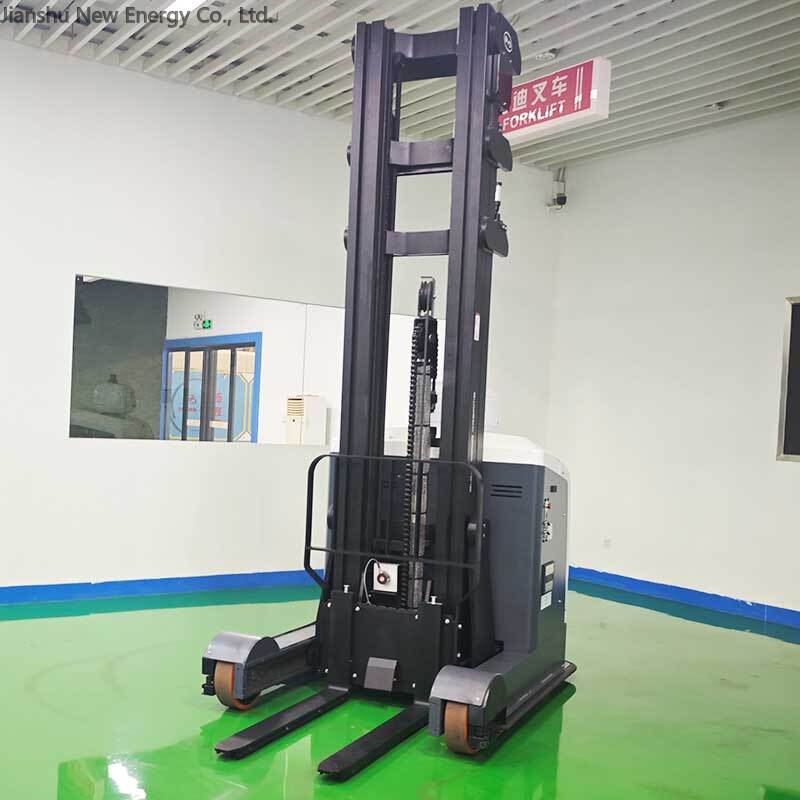
When enterprises start to deploy lithium forklifts for daily material handling operations, one of the most common decisions to make is choosing between battery swapping and fixed charging modes, two mature operation paths that have been widely applied across different industrial scenarios in recent years. It is unwise to simply judge which mode is absolutely better, as the final suitable option is closely related to the actual operation rhythm, site conditions, long-term cost budget and personnel configuration of the specific enterprise.
For teams that run multi-shift 24/7 operations with high daily forklift utilization, battery swapping mode can bring relatively notable efficiency benefits. Operators only need several minutes to replace the depleted battery with a fully charged one at the dedicated swapping station, no need to wait for hours of charging time, which can effectively avoid the operation interruption caused by power depletion. This mode also allows unified centralized management of all batteries, so that the daily maintenance, inspection and temperature monitoring of batteries can be completed by dedicated personnel, reducing the operation requirements for frontline forklift drivers.
As for the fixed charging mode, it is more friendly for small and medium-sized teams that have relatively low daily forklift usage and arrange one or two shifts a day. This mode does not need to reserve extra spare batteries and special large swapping station space, the initial deployment investment is relatively lower, and the operation process is simpler. Enterprises can arrange charging during off-peak hours or rest periods such as nights, making full use of the low electricity price policy to reduce long-term operating costs. Before making the final decision, you can contact Jianshu New Energy to get targeted on-site assessment and professional solution suggestions, and the team that provides BYD Forklift related supporting services also gives full support for both two operation modes to meet the diversified demands of different users. If you have further questions about configuration, cost accounting and supporting services, you can send an email to 17399989919@163.com for detailed consultation, the professional technical team will reply to you as soon as possible. It is suggested that enterprises sort out their own operation data of at least 3 consecutive months before making the decision, count the average daily operation hours of each forklift, available spare space in the factory area, existing power distribution conditions and long-term business expansion plans, so as to avoid unnecessary additional investment caused by blind choice. No matter which mode you choose, the core principle is to match your actual operation demand, to maximize the input output ratio of the lithium forklift fleet in the whole life cycle.


