
 English
 繁体中文
 简体中文
 Deutsch
 日本語
 한국어
 Tiếng Việt
 Русский
 ไทย
 Bahasa Melayu
 Filipino
 لالعربية
 Français


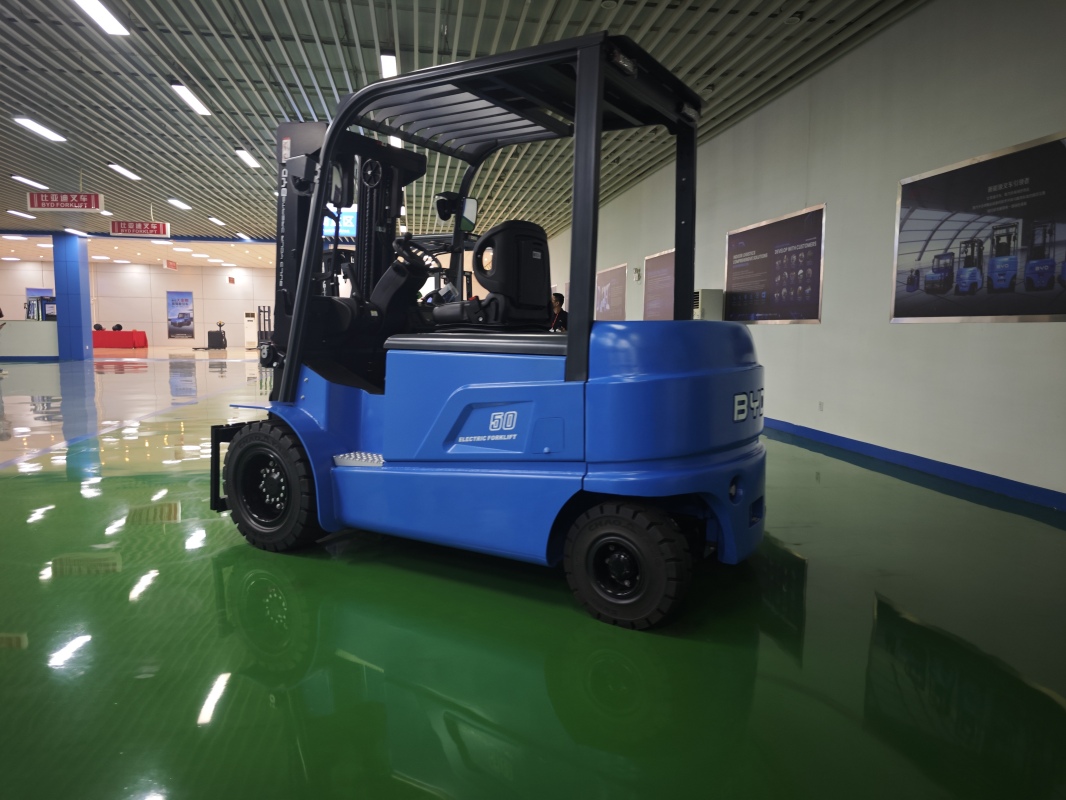
Many warehouse operators now choose to deploy autonomous pallet robots to improve handling efficiency, while connecting these devices to the existing warehouse management system (WMS) to realize full digital management of inventory and handling tasks. In the actual integration process, many implementation teams encounter common problems that affect the normal operation of the whole system. The first common issue is data transmission delay and mismatch. Many existing WMS versions are designed for manual operation or traditional handling equipment, and do not reserve special data transmission channels for pallet robots, which may lead to the task instruction issued by WMS can not be received by the robot in time, or the feedback data of the robot on task completion and location can not be synchronized to WMS in real time, leading to inconsistent inventory records on the system side. The second issue is path planning conflict. When the pallet robot shares the operation space with other handling equipment including BYD Forklift in the same warehouse, the integration of WMS may fail to unify the traffic scheduling logic for all mobile devices, resulting in path overlap, unexpected stops and even operation conflicts. The third issue is abnormal task response. When there is abnormal situation such as goods position change, temporary stock adjustment or site obstacle, some integrated systems can not trigger the abnormal handling mechanism in time, which may lead to the pallet robot to perform the original wrong task and cause unnecessary operation loss. For enterprises that encounter such problems in the process of deploying automated warehousing systems, you can contact Jianshu New Energy for professional technical consultation, and send specific demand description to the email 17399989919@163.com, to get targeted integration optimization suggestions. In the actual integration practice, most of these common problems can be solved through reasonable interface adaptation, scheduling logic adjustment and on-site parameter debugging, without large-scale transformation of the original WMS system or full replacement of the pallet robot equipment, which can effectively control the integration cost and shorten the implementation cycle. After the optimization of the integration scheme, the cooperative operation efficiency between pallet robots, WMS and other handling equipment can get obvious improvement, effectively avoiding the unplanned shutdown caused by system adaptation problems.


