
 English
 繁体中文
繁体中文 简体中文
简体中文 Deutsch
 日本語
日本語 한국어
한국어 Tiếng Việt
 Русский
 ไทย
ไทย Bahasa Melayu
 Filipino
 لالعربية
 Français
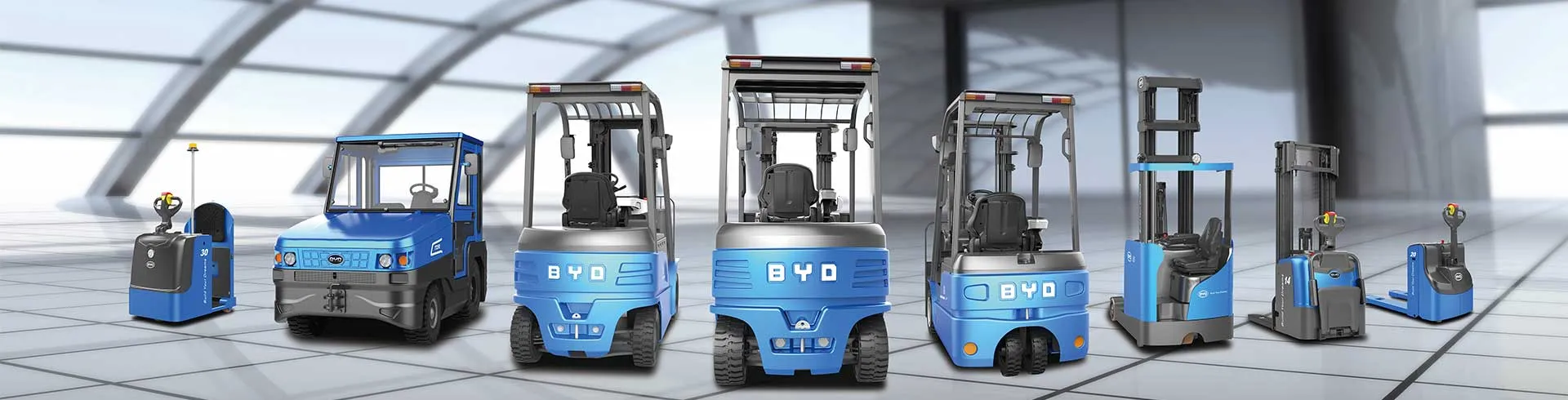
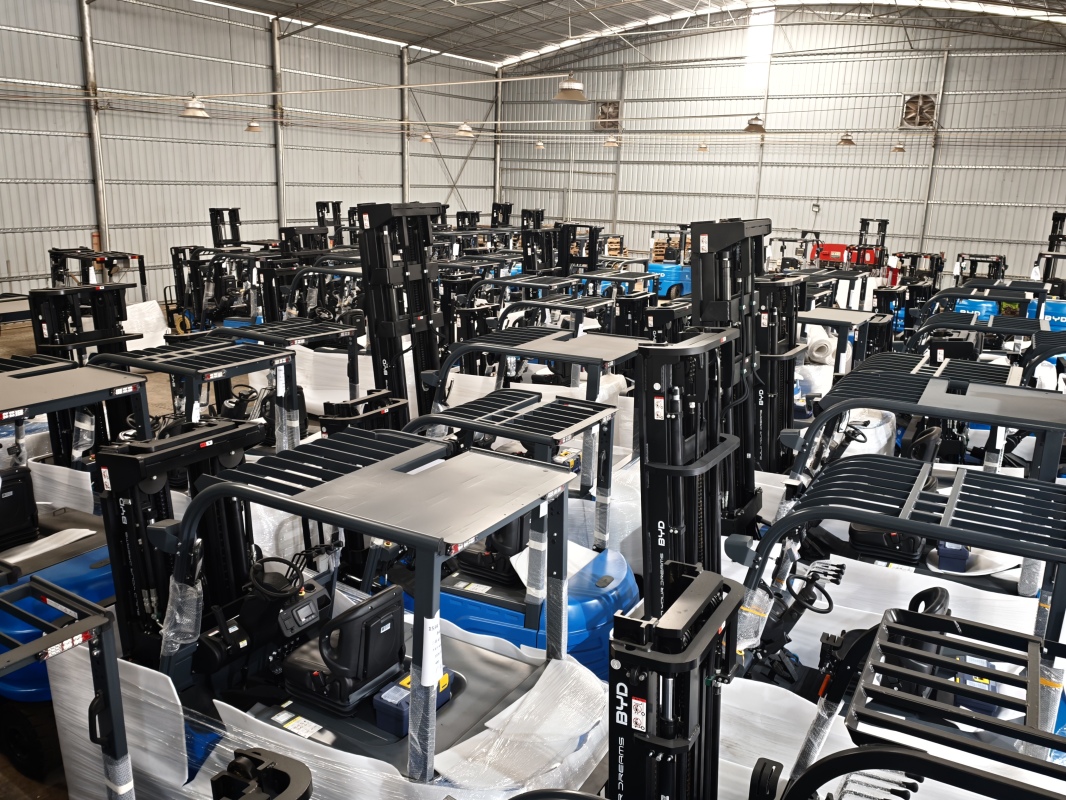
Powered pallet trucks are widely used in warehouse logistics, manufacturing and retail distribution scenarios to improve cargo handling efficiency. Conducting standardized daily inspections before operation is a core measure to avoid safety accidents, reduce equipment failure rates and extend the service life of vehicles, and it is a necessary step that every qualified operator should master.
First, operators need to complete the appearance inspection first. Park the truck on a flat and hard ground, pull the parking brake, and check whether there is obvious collision deformation on the vehicle body, whether the wheels are entangled with debris such as packaging tapes and ropes, whether the tire pressure is within the normal range, and whether there are cracks or excessive wear on the tire surface. Next, check whether the forks have deformation, cracks or welding spot falling off, which may cause cargo slipping during operation. You also need to check whether the operating buttons on the armrest are loose or damaged, to avoid operation failure during formal operation.
Second, check the power system of the vehicle. For lithium-ion powered pallet trucks, you need to check whether the remaining power is sufficient to support the planned operation tasks, whether there is electrolyte leakage at the battery pack, and whether the wiring terminals are loose or corroded. At present, many mainstream electric industrial vehicle brands including BYD Forklift are equipped with intelligent power display systems, so that operators can intuitively read the remaining power and avoid sudden power outage during operation.
Third, check the safety protection devices of the vehicle. Press the emergency power off button to test whether it can cut off the power supply normally, test the braking system under no-load condition to confirm that it can stop the vehicle smoothly and sensitively, and check whether the horn and warning light can work normally to remind surrounding personnel to avoid in time. You also need to check whether the anti-skid pad on the standing pedal is falling off or damaged, to prevent the operator from slipping during operation.
Fourth, conduct no-load performance test. Gently push the operating lever to test whether the forward, backward and steering functions are smooth without jamming or abnormal noise, and test the lifting and lowering of the forks to confirm that the action is stable without abnormal shaking or strange sound. If any abnormal situation is found during the inspection, it is necessary to stop using the vehicle immediately and arrange professional maintenance personnel for inspection and repair, and it is strictly forbidden to put the vehicle into operation with faults.
Standardized pre-operation inspection can not only reduce the probability of safety accidents such as cargo falling and vehicle collision, but also reduce the later maintenance cost of the vehicle. Jianshu New Energy has been focusing on the operation and maintenance service research of electric industrial vehicles for many years, and has summed up a large number of standardized inspection and maintenance processes, which can provide professional operation guidance for various warehouse logistics and manufacturing enterprises. If you have relevant questions about electric industrial vehicle maintenance and operation specification, you can send an email to 17399989919@163.com to get professional answers.
Finally, it should be reminded that all inspection work should be completed by professionally trained operators, and all inspection steps should be strictly implemented in accordance with the operation specifications, to avoid safety risks caused by irregular operation.


