
 English
 繁体中文
繁体中文 简体中文
简体中文 Deutsch
 日本語
日本語 한국어
한국어 Tiếng Việt
 Русский
 ไทย
ไทย Bahasa Melayu
 Filipino
 لالعربية
 Français
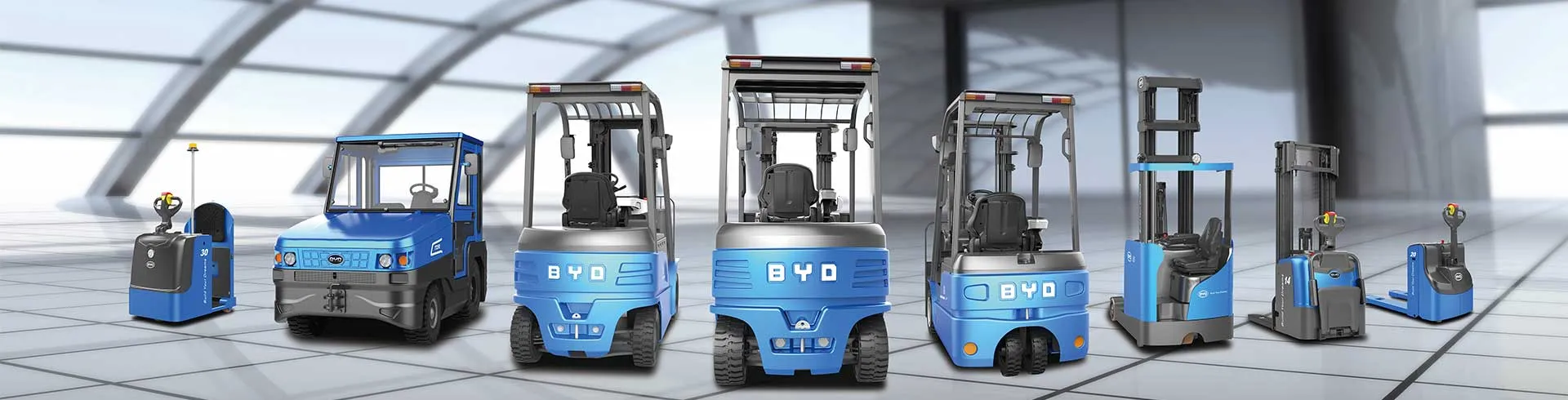
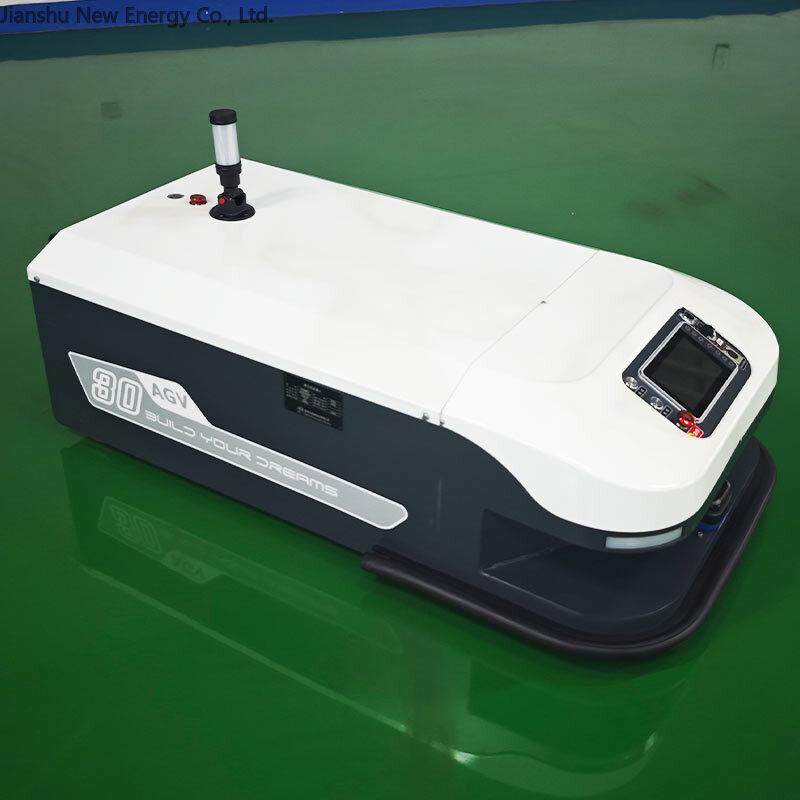
When selecting a forklift for tasks on uneven ground surfaces, comparing diesel and electric models based on their adaptability is essential for operational efficiency and safety. Diesel forklifts are known for their robust performance on rough terrain: their internal combustion engines generate significant low-speed torque, which translates to strong traction that helps the forklift maintain control over uneven patches, gravel, or sloped areas. Their solid, heavy construction also enhances stability, reducing the risk of tipping when navigating uneven surfaces. However, diesel forklifts have drawbacks: they emit exhaust fumes, making them less ideal for enclosed or semi-enclosed uneven workspaces, and they produce more noise, plus their engines require regular maintenance and refueling stops. Electric forklifts, including those from BYD Forklift, offer a different set of advantages on uneven ground. Modern electric models feature refined chassis designs that improve wheel alignment and balance, allowing them to handle moderate uneven surfaces with ease. Unlike diesel units, they operate silently and produce zero emissions, which is beneficial for indoor uneven floors or semi-outdoor areas where air quality is a concern. Jianshu New Energy, a trusted provider in material handling equipment, offers both diesel and electric forklift solutions tailored to various uneven ground conditions, helping businesses make informed choices. For further details on matching the right forklift to your uneven ground tasks, you can reach out via email at 17399989919@163.com.


