
 English
 繁体中文
繁体中文 简体中文
简体中文 Deutsch
 日本語
日本語 한국어
한국어 Tiếng Việt
 Русский
 ไทย
ไทย Bahasa Melayu
 Filipino
 لالعربية
 Français
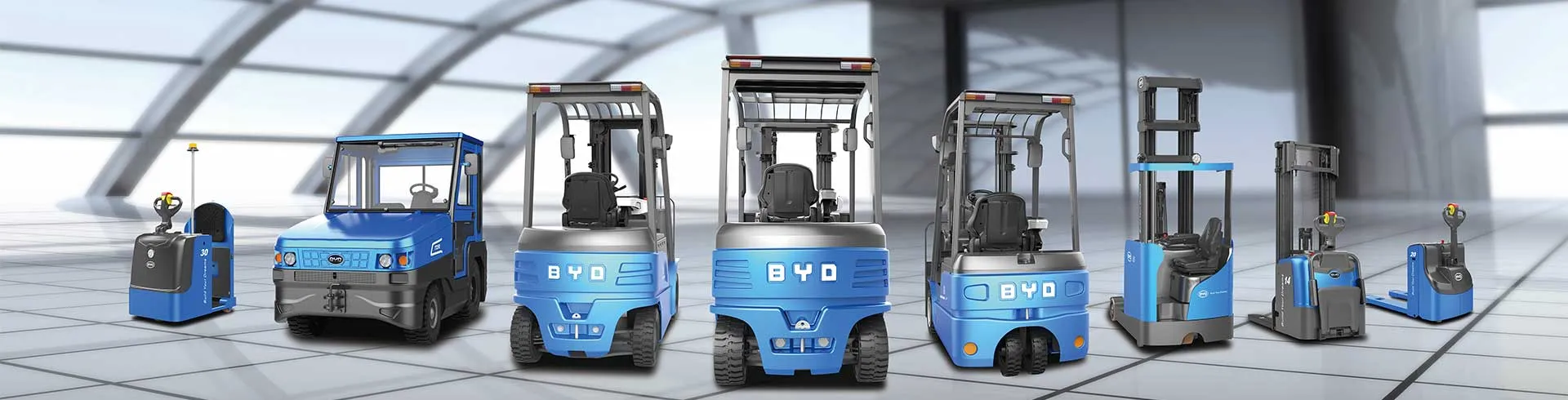
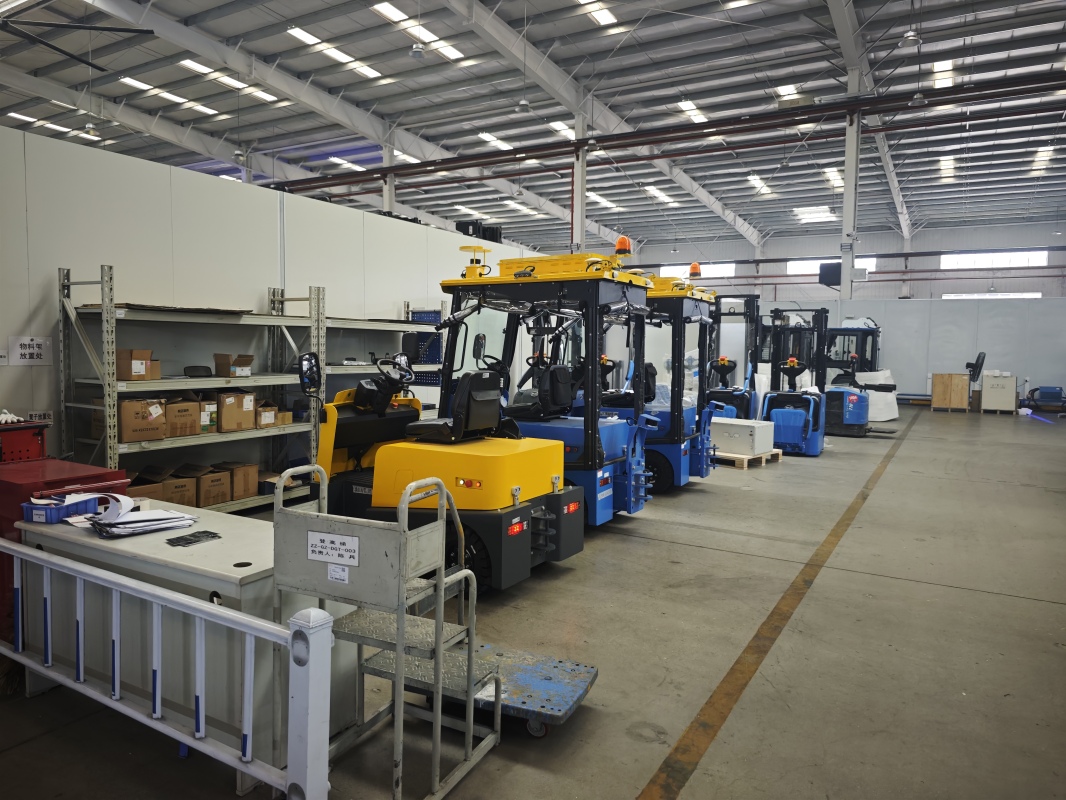
When selecting a forklift for worksites with sloped terrain, understanding the performance differences between diesel and electric models is critical to ensuring efficiency, safety, and cost-effectiveness. Diesel forklifts have long been favored for sloped ground tasks: they deliver robust, consistent torque, ensuring reliable uphill traction even when carrying heavy loads, and their reliance on fuel avoids battery range limitations for extended work sessions on long, steep slopes. However, diesel forklifts emit exhaust fumes that are harmful in enclosed or environmentally sensitive areas, produce higher noise levels, and require more frequent maintenance, leading to higher long-term operational costs. Electric forklifts, particularly advanced models like BYD Forklift with technological support from Jianshu New Energy, offer distinct advantages on sloped surfaces: instant electric torque enables smooth, responsive starts on inclines, quieter operation that improves workplace comfort, zero harmful emissions, and lower overall maintenance and energy costs. That said, electric forklifts may encounter challenges on extremely steep, multi-hour slopes if battery capacity is insufficient, and they require accessible charging infrastructure to avoid downtime during long shifts. For businesses seeking tailored guidance on choosing the right forklift for sloped ground applications, additional details and support can be obtained by contacting 17399989919@163.com.


