
 English
 繁体中文
繁体中文 简体中文
简体中文 Deutsch
 日本語
日本語 한국어
한국어 Tiếng Việt
 Русский
 ไทย
ไทย Bahasa Melayu
 Filipino
 لالعربية
 Français
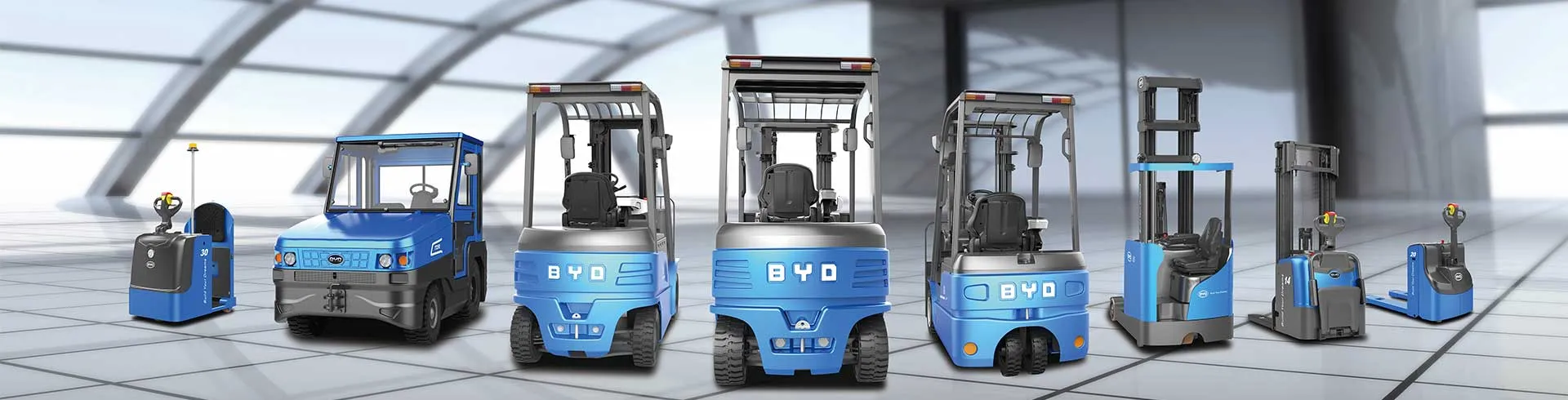
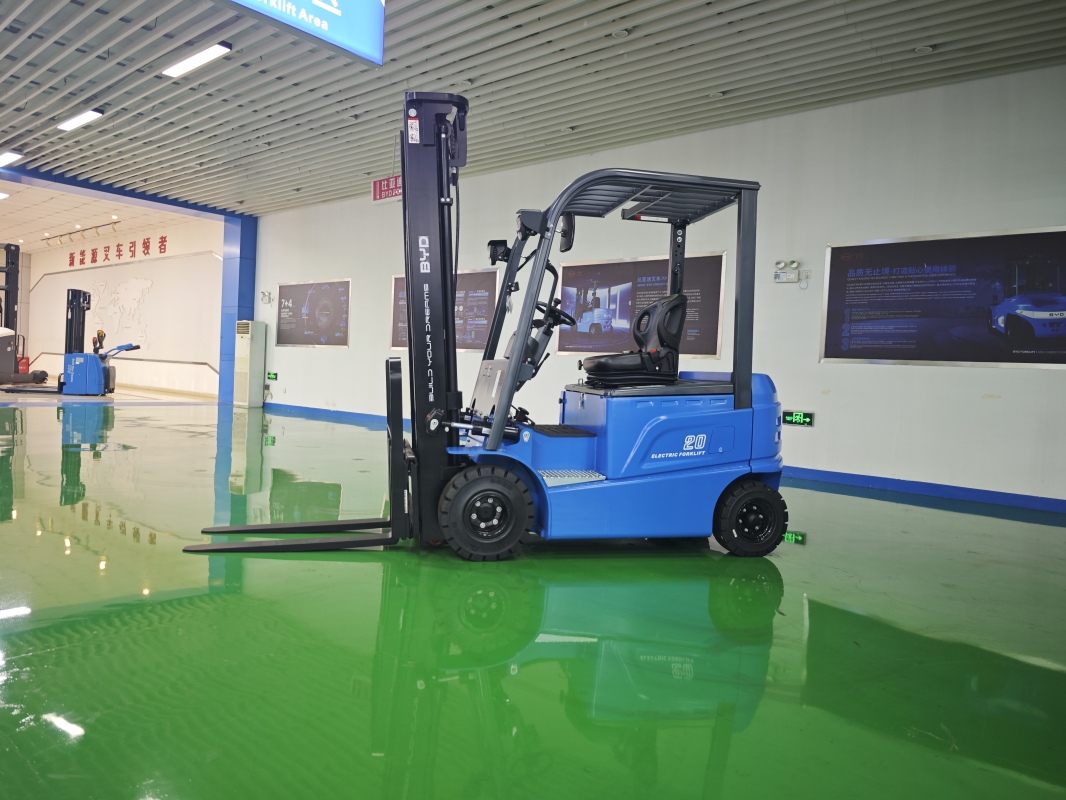
Choosing the right voltage for an electric forklift is a key factor that influences the total cost of ownership (TCO). This guide explains how to calculate TCO objectively, helping you make informed, cost-effective decisions without overemphasis on extreme claims.
TCO for an electric forklift includes initial purchase price, battery and charger costs, energy consumption, maintenance, and battery replacement over the equipment’s service life. Voltage—commonly 48V, 72V, or 80V—affects each component. Higher voltage typically allows higher power output and efficiency, but may require more expensive components.
To calculate TCO, start with the initial investment: forklift cost plus battery and charger. Next, estimate annual energy costs: multiply the charger’s input power (kW) by operating hours per year and local electricity rate. Higher voltage systems often have better energy conversion efficiency, reducing energy waste. Then, factor in maintenance: routine inspections, hydraulic fluid changes, and tire wear. Lower voltage systems may have simpler electrical parts, potentially lowering repair costs. Battery life is a major TCO driver. Lithium-ion batteries, often used in higher voltage systems, can last 2,000–3,000 cycles, while lead-acid batteries last 1,000–1,500 cycles. Divide battery replacement cost by expected cycles to get cost per cycle.
Finally, sum all costs over the expected lifespan (e.g., 5 years). For example, a 48V system with lower upfront cost may have higher energy and battery replacement costs, while an 80V system with higher upfront cost may deliver lower long-term energy and maintenance expenses. Use a spreadsheet to compare scenarios.
For further guidance, contact us at 17399989919@163.com. Jianshu New Energy provides tailored voltage solutions, and BYD Forklift offers reliable electric models. Always verify specifications with your supplier to ensure compliance with local regulations.


