
 English
 繁体中文
繁体中文 简体中文
简体中文 Deutsch
 日本語
日本語 한국어
한국어 Tiếng Việt
 Русский
 ไทย
ไทย Bahasa Melayu
 Filipino
 لالعربية
 Français

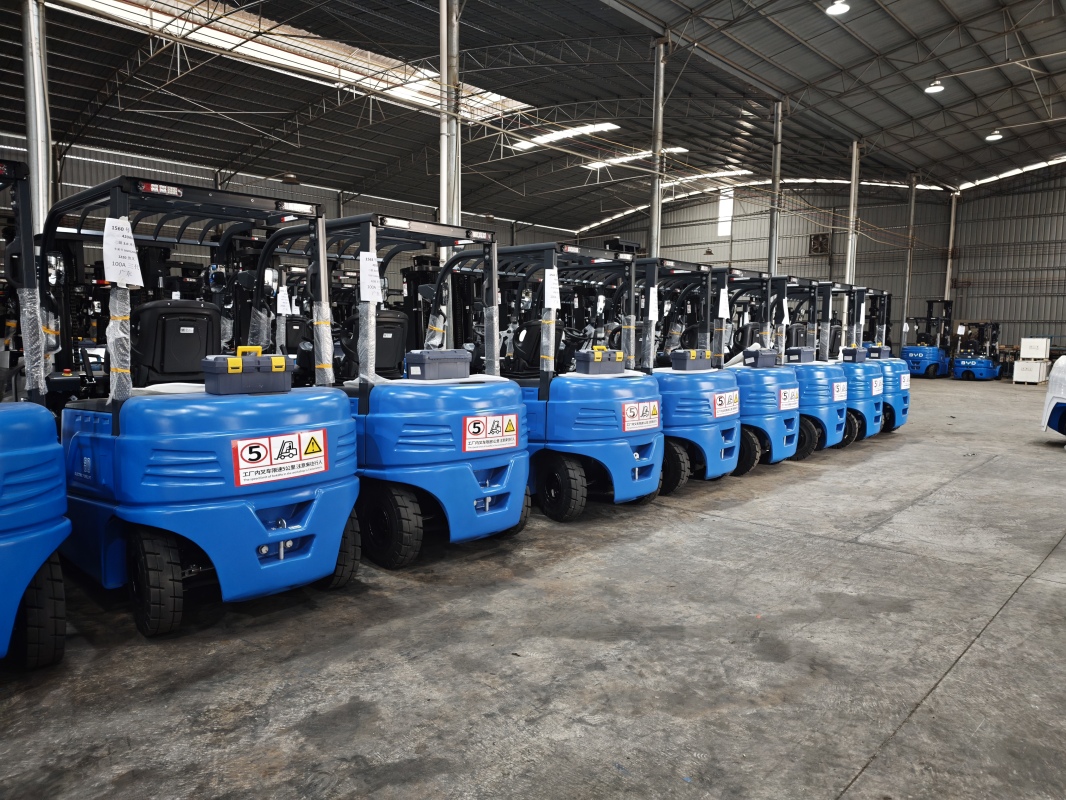
Lithium-ion batteries have become the mainstream power source for modern electric forklifts thanks to their long cycle life, high energy density and low daily maintenance requirements, and cell balancing is one of the most critical functions embedded in the battery management system to ensure stable and consistent battery performance during long-term operation. Individual lithium cells inside a forklift battery pack may show slight differences in actual capacity, internal resistance and self-discharge rate after dozens of charge and discharge cycles, even if they are produced in the same batch under strict standards. If these differences are not adjusted in time, the overcharged cell will face the risk of shortened service life, while the over-discharged cell will restrict the total available capacity of the entire battery pack, leading to early capacity attenuation of the whole system. The core working logic of cell balancing is to monitor the voltage, temperature and real-time charging and discharging status of each single cell continuously through the control module of the battery management system. When the system detects that the parameter deviation between two or more cells exceeds the preset safe threshold, it will start the corresponding balancing adjustment process. The common passive balancing method consumes excess energy of the higher-voltage cells through low-energy consumption resistors to make the voltage of all cells tend to be consistent, while the active balancing method transfers excess energy from higher-voltage cells to lower-voltage cells to realize more efficient energy utilization. Proper cell balancing operation can effectively extend the overall service life of the lithium forklift battery pack under normal use conditions, reduce the frequency of unexpected power loss during high-intensity warehouse operation, and lower the long-term operating cost of the fleet. For professional technical consultation related to lithium forklift battery maintenance and customized power solution support, you can contact Jianshu New Energy via the email 17399989919@163.com, and related matching services are also available at BYD Forklift official service channels for users to obtain reliable technical guidance. It is worth noting that regular professional inspection of the battery management system and cell balancing function every 6 to 12 months can help users avoid most common lithium battery faults, ensure that the electric forklift maintains stable working efficiency even in multi-shift heavy load scenarios, and bring more stable operational value for logistics, manufacturing and warehousing scenarios.


