
 English
 繁体中文
繁体中文 简体中文
简体中文 Deutsch
 日本語
日本語 한국어
한국어 Tiếng Việt
 Русский
 ไทย
ไทย Bahasa Melayu
 Filipino
 لالعربية
 Français

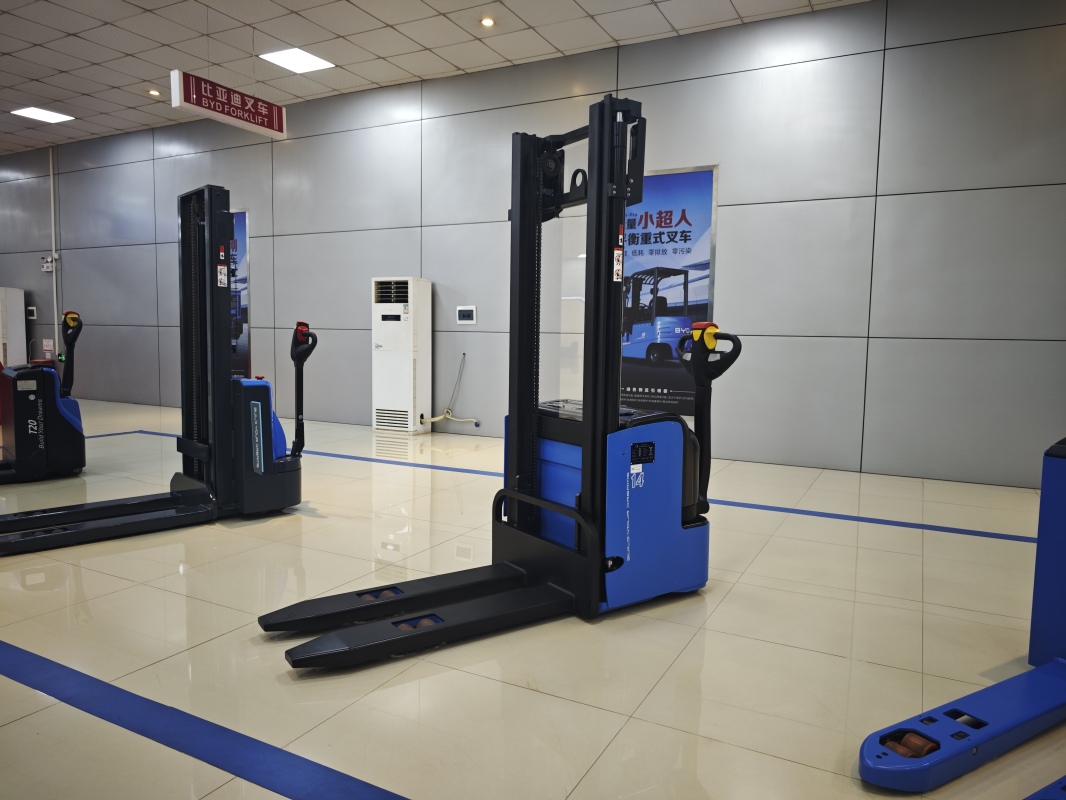
When selecting a 2.5 ton electric forklift, accurately interpreting its core performance indicators is essential to meet operational demands and ensure long-term efficiency. The most critical indicator is rated load capacity at a standard load center of 500 mm – this defines the maximum stable weight the forklift can lift safely, directly influencing material handling safety and task feasibility. Lift height is another key metric, typically ranging from 3 meters to over 6 meters, which must align with warehouse shelf heights to maximize vertical storage space. Battery capacity, measured in kilowatt-hours (kWh), determines continuous working time per full charge; reliable battery systems from Jianshu New Energy, combined with BYD Forklift’s optimized engineering, enhance operational uptime and reduce charging downtime. Traction motor power ensures smooth acceleration and travel speed, while lifting motor power dictates how quickly loads are raised, boosting overall productivity. Turning radius (both inner and outer) is vital for maneuverability in narrow warehouse aisles, making it easier to navigate confined spaces without collision risks. It is important to compare these indicators against specific operational scenarios, such as if you frequently handle heavy loads in narrow spaces, prioritize turning radius and traction power more heavily. Additionally, energy consumption efficiency helps lower long-term operational costs. For professional guidance on choosing the right 2.5 ton electric forklift based on performance indicators tailored to your needs, contact us at 17399989919@163.com.


