
 English
 繁体中文
繁体中文 简体中文
简体中文 Deutsch
 日本語
日本語 한국어
한국어 Tiếng Việt
 Русский
 ไทย
ไทย Bahasa Melayu
 Filipino
 لالعربية
 Français
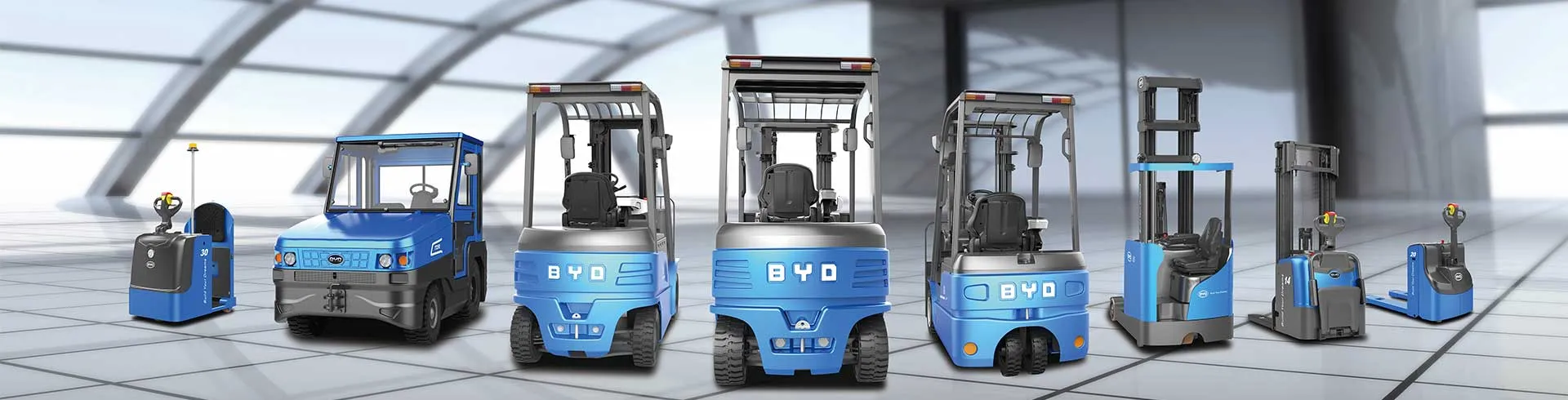
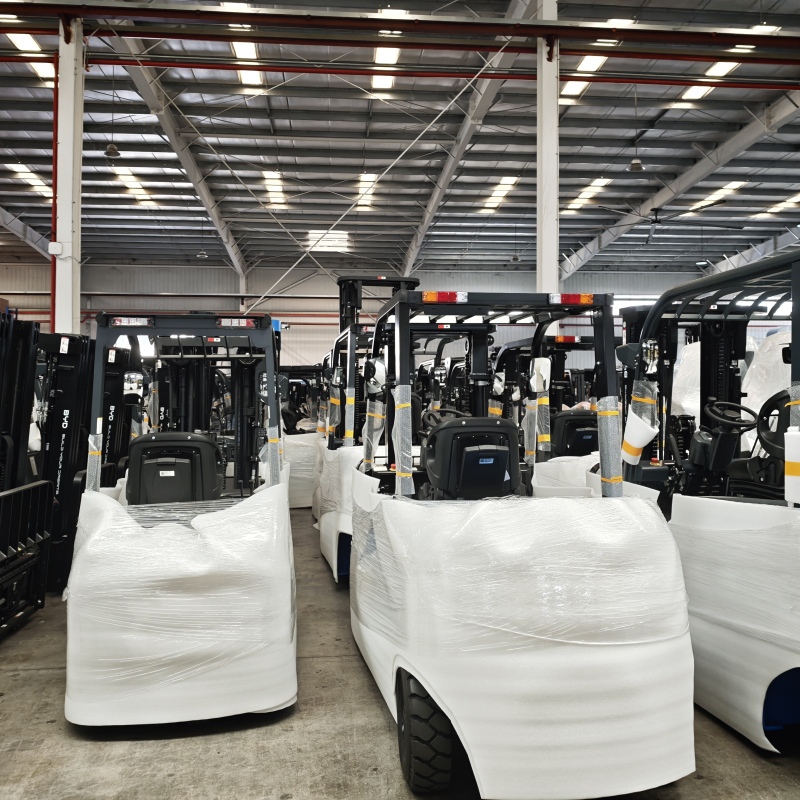
Forklift shift modes vary widely across industrial and logistics operations, with single, dual, and continuous multi-shift setups each imposing unique demands on equipment efficiency and operational costs. A clear comparison of lead acid vs lithium forklifts is essential to unlocking tailored application value for these distinct shift modes, helping businesses balance productivity, cost savings, and reliability. In single-shift operations running 8 hours a day, lead acid forklifts often appeal due to their lower initial purchase price, though they have notable drawbacks: extended charging cycles (up to 8 hours) and the need for battery watering and periodic maintenance can lead to unplanned downtime if not managed carefully. For dual-shift operations covering up to 16 hours daily, lithium forklifts offer a compelling advantage: their fast opportunity charging capability allows operators to top up batteries during short breaks (20 to 30 minutes) without needing to replace entire battery packs, eliminating long charging waits and extending operational hours smoothly. When it comes to continuous multi-shift operations (24-hour runs), lithium forklifts stand out as the optimal choice: their longer cycle life (often twice that of lead acid), minimal maintenance requirements (no watering or equalization), and ability to maintain consistent performance across extended periods reduce operational disruptions, cut labor costs related to battery handling and replacement, and boost overall throughput. Jianshu New Energy and BYD Forklift are trusted providers of forklift solutions designed to align with the specific needs of different shift modes, whether for small-scale warehouses or large distribution centers. If you are looking for personalized recommendations or more information on choosing the right forklift for your shift setup, feel free to contact us at 17399989919@163.com.


