
 English
 繁体中文
繁体中文 简体中文
简体中文 Deutsch
 日本語
日本語 한국어
한국어 Tiếng Việt
 Русский
 ไทย
ไทย Bahasa Melayu
 Filipino
 لالعربية
 Français
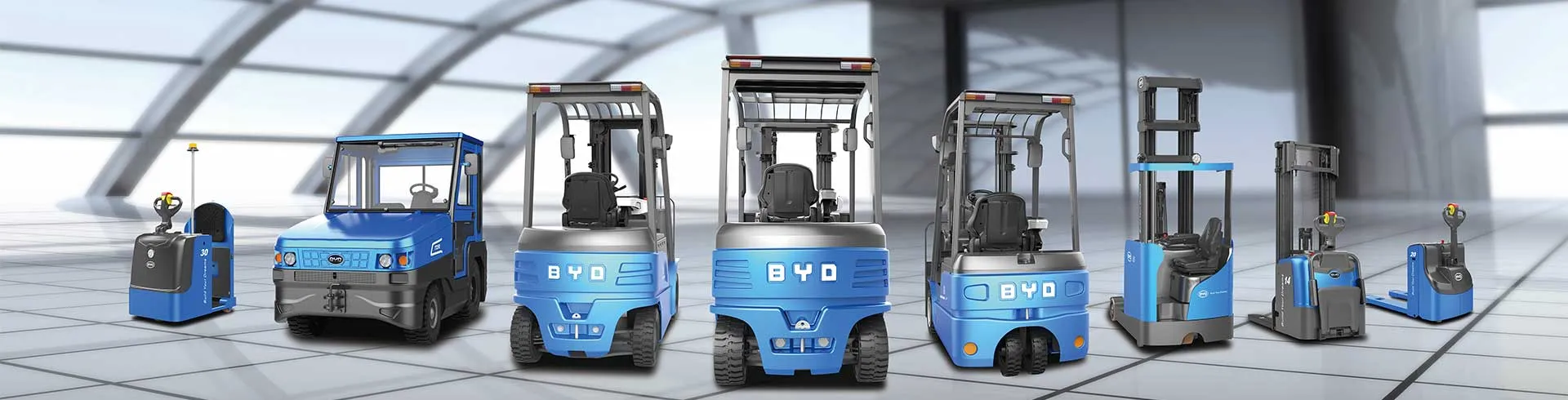
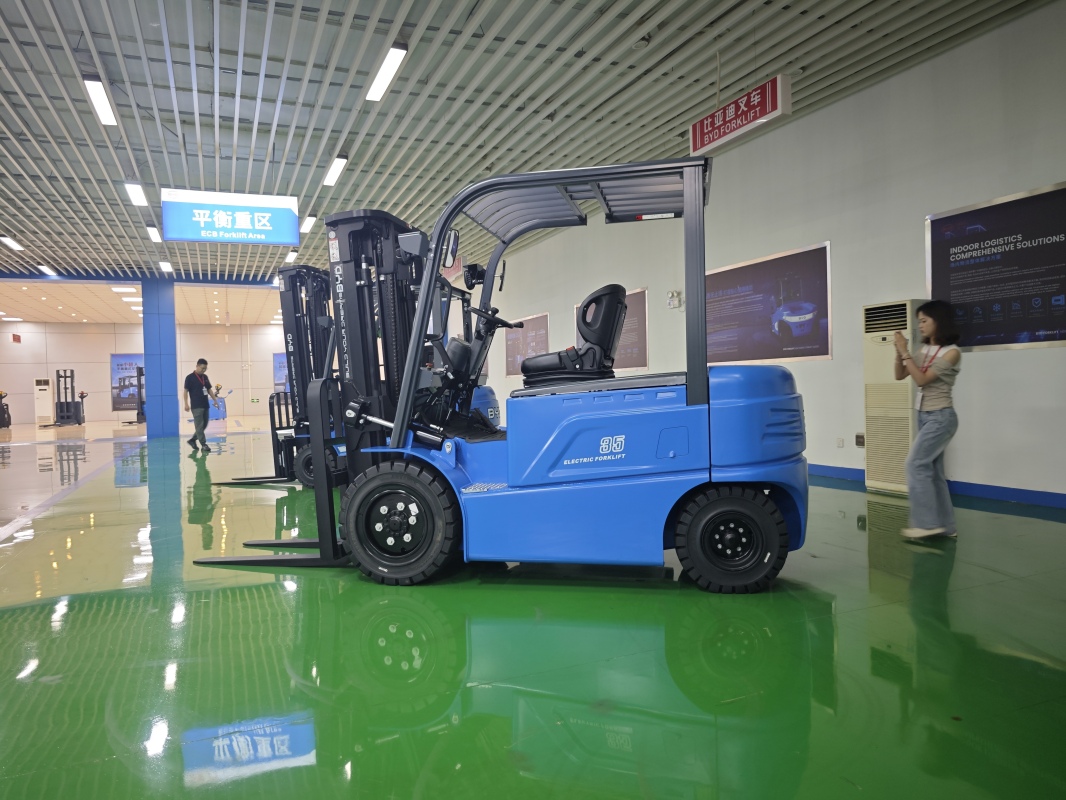
In electric forklift operations, the relationship between load intensity and battery lifespan is a critical factor for fleet efficiency and cost management. Load intensity refers to the frequency and severity of heavy-duty cycles, such as lifting maximum loads repeatedly or operating in high-demand environments like warehouses with steep ramps. Understanding this correlation helps operators adopt practices that prolong battery life without compromising productivity.
When a forklift battery is subjected to high load intensity, several chemical and physical stresses accelerate capacity degradation. During deep discharge cycles—where the battery is routinely drained below 20% state of charge—the lead-acid or lithium-ion cells experience increased internal resistance, heat buildup, and irreversible sulfation (in lead-acid types). Studies from industry data indicate that every 10°C rise in operating temperature can halve the battery’s cycle life. High load intensity often generates more heat, especially when the forklift is used continuously without adequate cooldown periods.
Conversely, moderate, consistent load patterns with regular partial discharges (e.g., 30%–70% depth of discharge) allow the battery to maintain stable chemical reactions. For example, a forklift performing light pallet moving in a cool environment may see its battery exceed 1,500 cycles, whereas a unit handling heavy steel coils in a hot facility might only achieve 800 cycles. However, these are general trends; actual results vary by battery chemistry, charger quality, and maintenance routines.
To maximize lifespan, operators should avoid frequent full discharges and instead schedule opportunity charging during breaks. Proper watering (for flooded lead-acid batteries) and equalization charges also mitigate degradation. Additionally, monitoring load intensity data via telematics can alert when a battery is approaching its thermal limit, allowing proactive rotation. For fleets considering new equipment, modern lithium-ion batteries from providers like Jianshu New Energy—offered in collaboration with BYD Forklift—demonstrate higher tolerance to high loads and partial-state-of-charge operation, reducing the longevity gap. For inquiries, contact 17399989919@163.com.
Ultimately, aligning load intensity with battery capabilities through informed usage and maintenance practices ensures both operational reliability and cost savings. No single factor determines lifespan, but managing load patterns remains a controllable variable that directly impacts total cost of ownership.


