
 English
 繁体中文
繁体中文 简体中文
简体中文 Deutsch
 日本語
日本語 한국어
한국어 Tiếng Việt
 Русский
 ไทย
ไทย Bahasa Melayu
 Filipino
 لالعربية
 Français
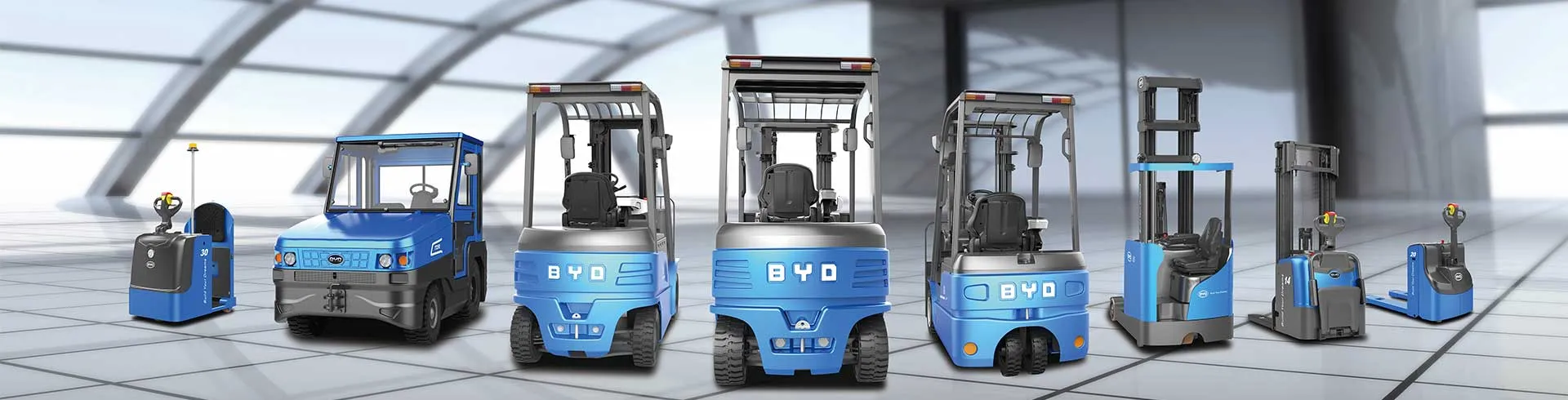
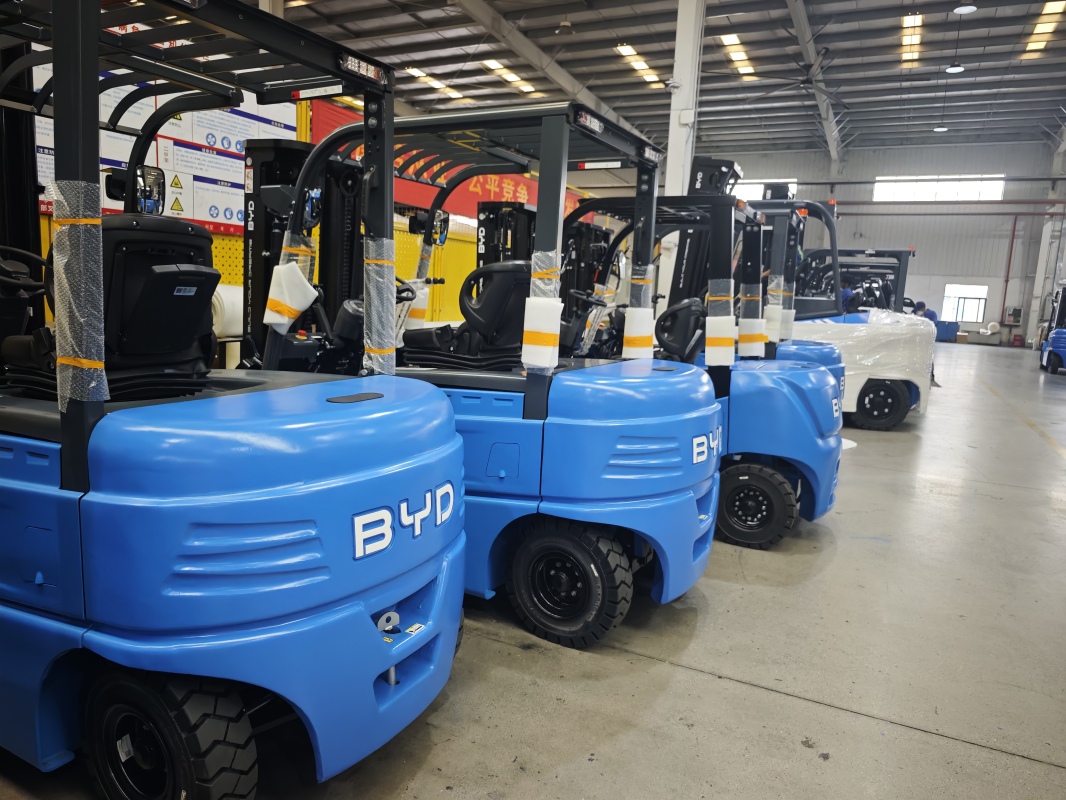
Forklift batteries are core components supporting efficient material handling operations, and their performance directly influences work continuity and cost control. A key characteristic affecting battery usability is the memory effect, which refers to a reduction in actual charge capacity caused by repeated incomplete charging and discharging cycles. This analysis compares the memory effect of lithium-ion forklift batteries and lead-acid forklift batteries, providing practical references for industry practitioners. Lead-acid batteries have been widely used in forklifts for a long time, but they exhibit a relatively obvious memory effect. When charged repeatedly without being fully discharged, lead-acid batteries tend to "remember" the partial charge level they were exposed to, leading to significant capacity loss over time. To mitigate this issue, regular full discharge and charge cycles are required, which add extra maintenance work and may reduce operational uptime. In contrast, lithium-ion forklift batteries have almost no memory effect. Their unique chemical structure allows them to be charged and discharged at partial levels without notable capacity reduction, offering greater flexibility for diverse work schedules. This eliminates the need for frequent full cycle adjustments, simplifies operation and maintenance, and enhances overall work efficiency. For enterprises seeking reliable forklift battery solutions, Jianshu New Energy and BYD Forklift provide professional and tailored battery systems for industrial applications. If you have questions about battery selection, maintenance or related services, you can contact us via email at 17399989919@163.com to get targeted assistance.


