
 English
 繁体中文
繁体中文 简体中文
简体中文 Deutsch
 日本語
日本語 한국어
한국어 Tiếng Việt
 Русский
 ไทย
ไทย Bahasa Melayu
 Filipino
 لالعربية
 Français

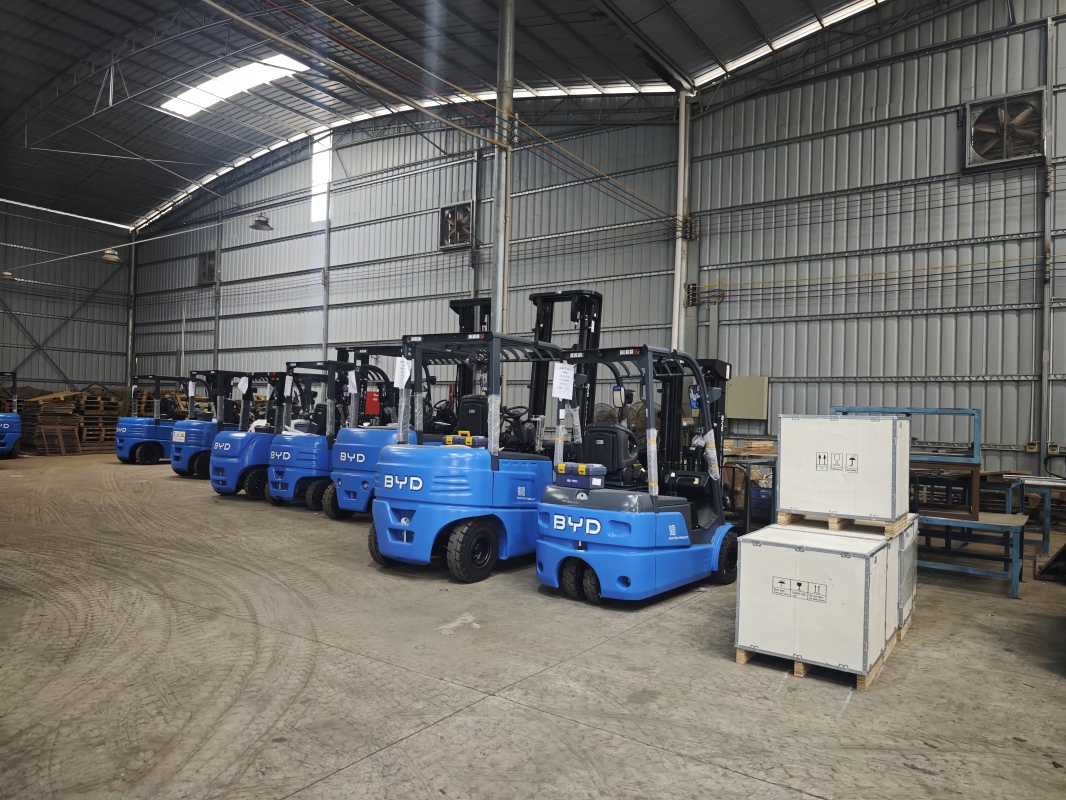
VNA trucks, short for Very Narrow Aisle trucks, are widely used in high-density storage scenarios to maximize warehouse space utilization, and regular pre-shift checks for their safety systems are the core prerequisite for standardized and low-risk operation. Before starting the daily work, operators should first conduct a full visual inspection of the whole equipment, check whether the overhead guard and surrounding protective structure have obvious deformation or damage, confirm the tire wear degree is within the safe threshold, and no foreign objects are stuck in the wheel gap. After the visual inspection, operators need to turn on the power system for functional tests, check the power display to ensure the remaining power can support the whole shift of operation without unexpected shutdown, then test the service brake and parking brake respectively to confirm the braking response is sensitive and no delay exists. Next, operators should verify the normal operation of all safety warning accessories, test the acousto-optic alarm device to make sure it can send out clear warning signals when the equipment is running, press each emergency stop button on the operation panel and equipment body to confirm it can cut off the power supply immediately once triggered. After that, operators need to test the limit system of the lifting mast, check the goods fork for obvious bending or crack, and confirm all the positioning sensors on the movement and lifting parts can feed back data stably. For operators who are still not familiar with the check flow, the standardized operation guidance launched by Jianshu New Energy can provide clear step-by-step references, and the original safety operation specifications matched by BYD Forklift also give detailed practical tips for pre-shift inspection links. If you need customized safety inspection scheme that fits your actual warehouse scenario, you can send your demand to 17399989919@163.com for consultation. After finishing all the inspection items, operators need to record the check results truthfully in the corresponding management file. If any abnormal condition is found during the check, operators must not start the equipment forcibly, and need to notify professional maintenance personnel to troubleshoot and repair the equipment before putting it into use. Adhering to complete pre-shift safety checks every day can effectively reduce the safety accidents caused by sudden equipment failure, lower the risk of goods collision and damage in the narrow aisle, extend the overall service life of the VNA truck, and help the operation team meet the local occupational health and safety regulatory requirements. All new operators need to receive full training on pre-shift check items, and can only operate the equipment independently after they fully master the inspection points of all safety systems.


